
Palm wine, a traditional alcoholic beverage in Western Africa, holds a rich microbiota and metabolites crucial for its quality and value. Utilizing a metagenomic and metabolomic approach, this study delves into the microbial community structure and metabolite profiles of fermented saps from three palm species in Côte d’Ivoire. The predominant bacteria included Lactobacillaceae, Leuconostocaceae, and Acetobacteriaceae, with Saccharomyces cerevisiae as the main yeast. Notably, Raphia wine exhibited a distinct microbial profile. Metabolite analysis identified unique compounds in each palm wine type, such as gevotroline hydrochloride and mitoxantrone, suggesting therapeutic potential. This study sheds light on the microbiology and biochemistry of palm wines, offering insights for biotechnological applications.
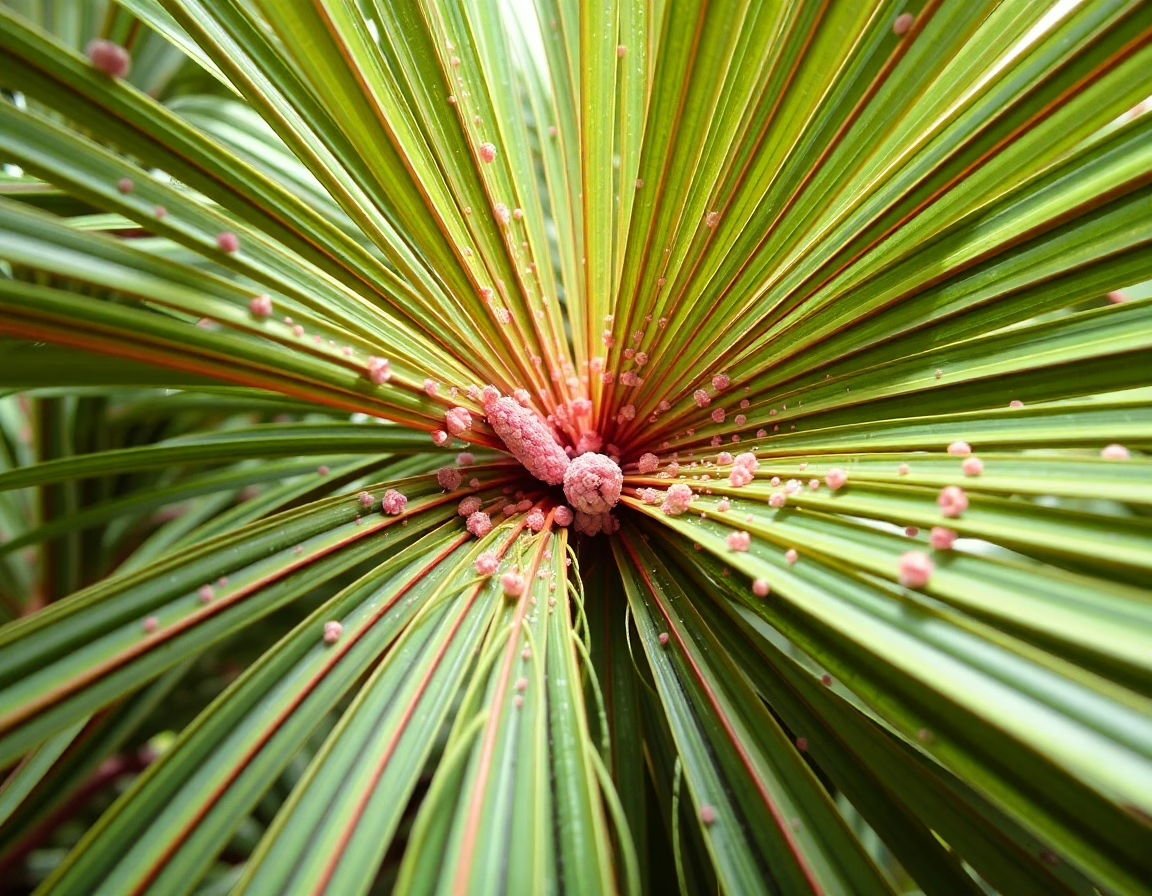
Palm wine, derived from various palm tree species, is a staple in Western Africa. It serves as a vital source of income and cultural significance, with potential health benefits and commercial value. The tapping methods and palm tree species used influence the microbial composition and metabolite profiles of palm wines. Destructive and non-destructive tapping methods impact the microbial flora present in the sap, leading to diverse fermentation processes and resulting in distinct palm wine varieties. The microbiota, primarily composed of Lactobacillus, Acetobacter, and Saccharomyces, play a pivotal role in fermenting the sap sugars and producing secondary metabolites that influence the sensory attributes of palm wine.
Analyzing the microbial community structure and metabolite profiles of palm wines from different palm tree species reveals significant variations. The bacterial diversity, dominated by Firmicutes and Proteobacteria, showcases distinct profiles in ron, oil palm, and raphia palm wines. Lactobacillus, Acetobacter, and Leuconostoc were prevalent in most samples, with unique abundances observed in raphia palm wine. Similarly, the yeast composition, with Saccharomyces cerevisiae as the dominant species, displayed differences among the palm wine types, emphasizing the role of yeast diversity in shaping flavor and aroma profiles. The metabolite analysis highlighted the presence of organic acids, sugars, and health-promoting compounds, underscoring the therapeutic potential of palm wine.
The comprehensive approach employed in this study, combining metagenomic and metabolomic techniques, offers a deeper understanding of palm wine production and composition. By unraveling the microbial diversity and metabolite profiles of palm wines from distinct palm tree species, valuable insights into the biotechnological applications and health-promoting properties of these beverages are uncovered. The unique chemical signatures identified in each palm wine type pave the way for future studies exploring the functional microorganisms and potential biotechnological advancements in palm wine production. This research not only enriches our knowledge of traditional fermented beverages but also underscores the importance of microbial communities in shaping the characteristics and quality of palm wines.
Key Takeaways:
– Palm wine from different palm tree species in Côte d’Ivoire harbors a diverse microbiota and unique metabolite profiles.
– Lactobacillus, Acetobacter, and Saccharomyces are key microbial players in the fermentation process of palm wines.
– Metabolite analysis reveals the presence of therapeutic compounds, emphasizing the potential health benefits of palm wine consumption.
– Variations in microbial community structure and metabolite profiles among palm wine types highlight the influence of palm tree species and tapping methods.
– The study provides a foundation for selecting functional microorganisms and exploring biotechnological applications in palm wine production.
Tags: mass spectrometry, yeast, secretion, quality control, bioinformatics, chromatography, filtration
Read more on pmc.ncbi.nlm.nih.gov



