
Our microbiome, a fascinating ecosystem of diverse microorganisms residing within us, plays a pivotal role in the journey towards graceful aging. By delving into the depths of this microbial world, we uncover the secrets to maintaining a youthful microbiome and potentially extending our healthspan.
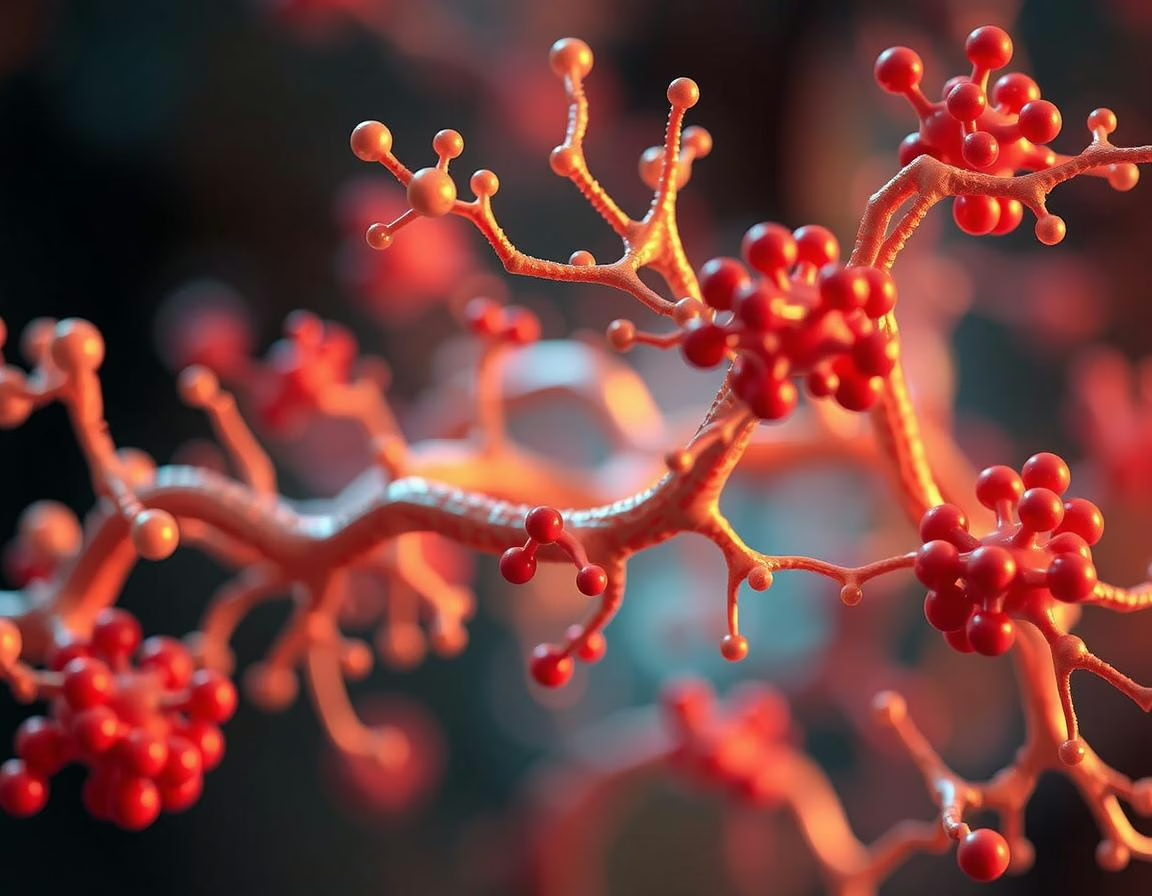
Imagine yourself not merely as a human being but as a holobiont, a symbiotic entity comprising human cells intertwined with trillions of microbes that inhabit our bodies. As we age, it is not just our cells that undergo transformations; our microbiome evolves as well. Recent research highlights the essential contribution of both beneficial and hostile bacteria to the process of aging. Nurturing this intricate symbiosis could be the key to living a healthier and longer life.
In the pursuit of understanding the complexities of healthy aging, we must acknowledge the profound influence of our microbiome on various aspects of our physiology. From digestion and metabolism to brain function, the microbiome exerts a far-reaching impact on our overall well-being. Unraveling this intricate web of interactions poses a challenge akin to exploring the complexities of the human brain itself, as noted by microbiologist Filipe Cabreiro from Imperial College London.
The uniqueness of each individual’s microbiome, combined with its dynamic nature that fluctuates daily, underscores the intricate tapestry of microbial diversity within us. While the microbiome landscape varies from person to person, one common thread emerges – the importance of diversity. Research indicates that a rich array of gut microbes correlates with improved health outcomes, emphasizing the significance of nurturing a diverse microbiome for overall well-being.
As we journey through the passage of time, our microbiome undergoes a metamorphosis, often characterized by a decline in beneficial bacteria in later stages of life. Factors such as dietary changes, medication intake, and reduced social interactions in older adults contribute to this shift. Even in controlled environments, aging animals display alterations in their microbiome, hinting at an inherent transformation linked to age.
The decline in microbes responsible for producing short-chain fatty acids (SCFAs), vital compounds with numerous health benefits, poses a significant challenge as we age. This reduction, coupled with an increase in pro-inflammatory microbes, fosters a state of chronic low-grade inflammation known as inflammaging. This inflammatory milieu is associated with a higher susceptibility to conditions like cardiovascular disease, dementia, and stroke, underlining the critical role of microbiome balance in healthy aging.
Recent studies shed light on the resilience of the gut microbiomes of centenarians, showcasing a microbial signature akin to that of younger individuals. This resilience, characterized by enhanced diversity and a prevalence of beneficial bacteria, hints at a potential link between microbiome health and longevity. The notion of nurturing our microbiome to enhance the aging process beckons us to explore novel avenues for promoting healthy longevity.
Transforming the composition of our gut microbiome presents a formidable challenge, given its intricate nature and inherent stability. While interventions like prebiotics and probiotics may not overhaul the microbiome entirely, they offer a gentle push in the right direction. These supplements, designed to support beneficial gut microbes, hold promise in modulating the microbiome towards a healthier state, albeit temporarily.
Beyond supplements, dietary modifications wield substantial influence over the microbiome. Studies showcasing the benefits of plant-based diets rich in legumes emphasize the profound impact of nutrition on microbial diversity. Embracing dietary patterns like the Mediterranean diet not only enhances microbial diversity but also correlates with improvements in health parameters such as mobility, strength, and cognitive function, underscoring the intricate relationship between diet, microbiome, and aging.
Amidst ongoing research, radical approaches like faecal microbiota transplants emerge as potential therapies for altering the microbiome landscape. While these interventions have shown promise in treating specific conditions, their efficacy in extending lifespan remains an area of exploration. Animal studies demonstrating enhanced longevity post microbiome transplants instill hope for future interventions that leverage the dynamic interplay between microbiome composition and aging pathways.
The burgeoning field of microbiome research opens avenues for manipulating microbial activity to target age-related biological pathways through innovative strategies like diet modifications, pharmaceutical interventions, and cutting-edge gene-editing technologies. Despite the infancy of this field, the prospect of harnessing our microbiome to enhance health and longevity sparks optimism among researchers and health enthusiasts alike.
In conclusion, the intricate dance between our microbiome and aging processes unveils a realm of possibilities for nurturing our microbial companions towards a century of vibrant health. Embracing the nuances of microbiome modulation through strategic interventions, dietary adjustments, and innovative therapies paves the way for a future where aging is not just about years lived but about the quality of life experienced. Let us embark on this journey of discovery, delving deeper into the microbial realms within us to unlock the secrets of longevity and vitality.
- Nurturing a diverse microbiome is essential for healthy aging.
- Dietary modifications and supplements can influence microbial diversity.
- Radical approaches like faecal microbiota transplants hold promise for altering the microbiome landscape.
- Manipulating microbial activity through innovative strategies offers exciting prospects for enhancing health and longevity.
Tags: probiotics, microbiome
Read more on newscientist.com



