
In the scorching heat of Southern Nevada, a team from the University of Nevada, Las Vegas (UNLV) is taking innovative steps to address the alarming rise in mosquito populations. Led by Louisa Messenger, an assistant professor in UNLV’s School of Public Health, the Parasitology and Vector Biology Laboratory is at the forefront of research to tackle the growing issue of these biting pests. Established in 2022, this laboratory has been exploring various strategies, from scientific investigations to community engagement, aimed at controlling the burgeoning mosquito populations in the region.
The Unique Challenge of Mosquito Control in Las Vegas
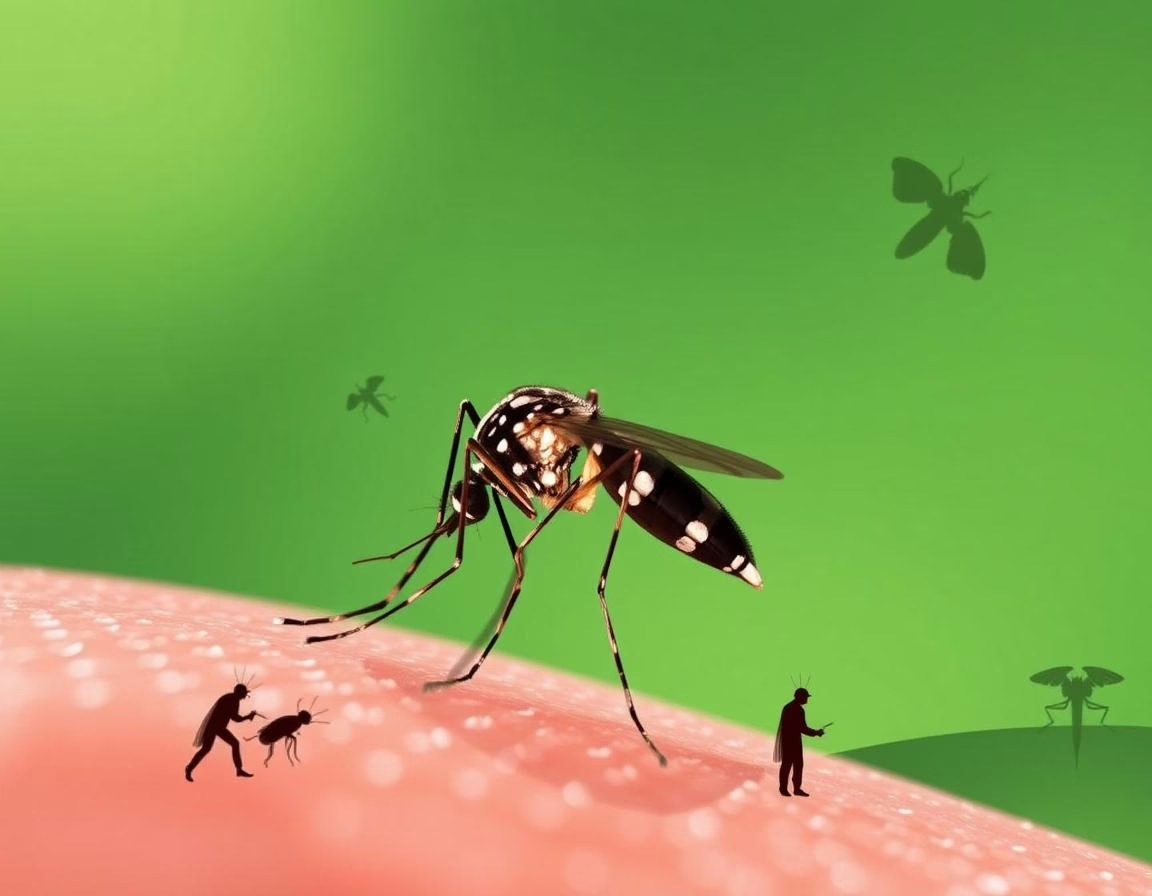
Las Vegas, often described as an oasis amidst the desert, presents a unique challenge when it comes to mosquito control. Traditionally, the arid climate of Southern Nevada deterred mosquito breeding due to the scarcity of standing water. However, the rapid urbanization of Clark County has led to the creation of artificial water bodies, irrigated landscapes, and other potential breeding sites for mosquitoes. As a result, the mosquito season, typically from late spring to October, has been extending due to climate change, providing more opportunities for these insects to transmit diseases like West Nile, dengue, and Zika viruses.
Unveiling Mosquito Resistance to Insecticides
Recent research conducted by the PARAVEC Labs at UNLV has revealed a concerning trend of mosquito resistance to conventional insecticides. Mosquitoes sampled from different regions in Clark County exhibited a significantly higher tolerance to standard insecticide doses compared to mosquitoes in other areas. In some cases, Las Vegas mosquitoes survived exposure to insecticides that would typically kill them within minutes. This resistance poses a considerable challenge for traditional mosquito control methods and underscores the need for innovative approaches to combat these resilient pests.
Exploring Novel Strategies for Mosquito Control
In response to the escalating mosquito problem, the team at the PARAVEC Lab is actively seeking alternative chemicals that are not only effective against mosquitoes but also safe for human use and environmentally friendly. Identifying these novel compounds presents a significant scientific challenge, requiring a deep understanding of mosquito biology and pesticide mechanisms. By leveraging cutting-edge research techniques and collaborative efforts, the researchers aim to develop targeted solutions tailored to the specific needs of each mosquito-infested area.
Empowering Citizen Scientists in Mosquito Surveillance
Recognizing the importance of community involvement in mosquito control efforts, the PARAVEC Lab has partnered with the Southern Nevada Health District to engage citizen scientists in monitoring mosquito breeding sites. By enlisting the help of residents to collect water samples from potential breeding grounds, the lab can conduct detailed analyses to identify mosquito hotspots and tailor intervention strategies accordingly. This citizen science approach not only enhances surveillance capabilities but also fosters public awareness and participation in combating the mosquito surge.
Evaluating Public Perceptions Through Surveys
To gain insights into public perceptions and preferences regarding mosquito control strategies, UNLV launched an online survey for residents to share their views on various control measures. The survey seeks feedback on a range of abatement methods, including mosquito traps, insecticide sprayings, water treatments, and innovative approaches like genetic modification of mosquitoes. By mapping responses by ZIP code, the research team can pinpoint areas where residents perceive mosquitoes as a significant concern, allowing for targeted interventions and community-driven solutions.
Driving Change Through Collective Action
The increasing prevalence of mosquito-borne diseases in Southern Nevada underscores the urgent need for collaborative action to address this public health threat. With the support of local residents and organizations, initiatives like the mosquito control research study led by UNLV are paving the way for effective and sustainable solutions. By harnessing the power of citizen science, innovative research, and community engagement, we can collectively combat mosquito surges and safeguard the well-being of our communities.
Key Takeaways:
– Citizen science plays a crucial role in monitoring and addressing mosquito populations in urban environments.
– Mosquito resistance to insecticides underscores the importance of developing novel control strategies.
– Public participation and feedback are essential for tailoring mosquito control interventions to local needs.
– Collaborative efforts between researchers, health authorities, and residents are vital for effective mosquito management.
– By working together, we can mitigate the risks posed by mosquito-borne diseases and create a healthier environment for all.
Read more on lasvegassun.com



