
Discoveries of ancient bacteria frozen in ice caves open a fascinating chapter in the ongoing battle against antibiotic resistance. Recent research has unveiled a strain of bacteria, Psychrobacter SC65A.3, preserved in a 5,000-year-old layer of ice in Romania, which exhibits resistance to ten modern antibiotics. This finding not only raises concerns about the potential spread of antibiotic-resistant genes but also offers a unique opportunity to develop new antimicrobial agents.
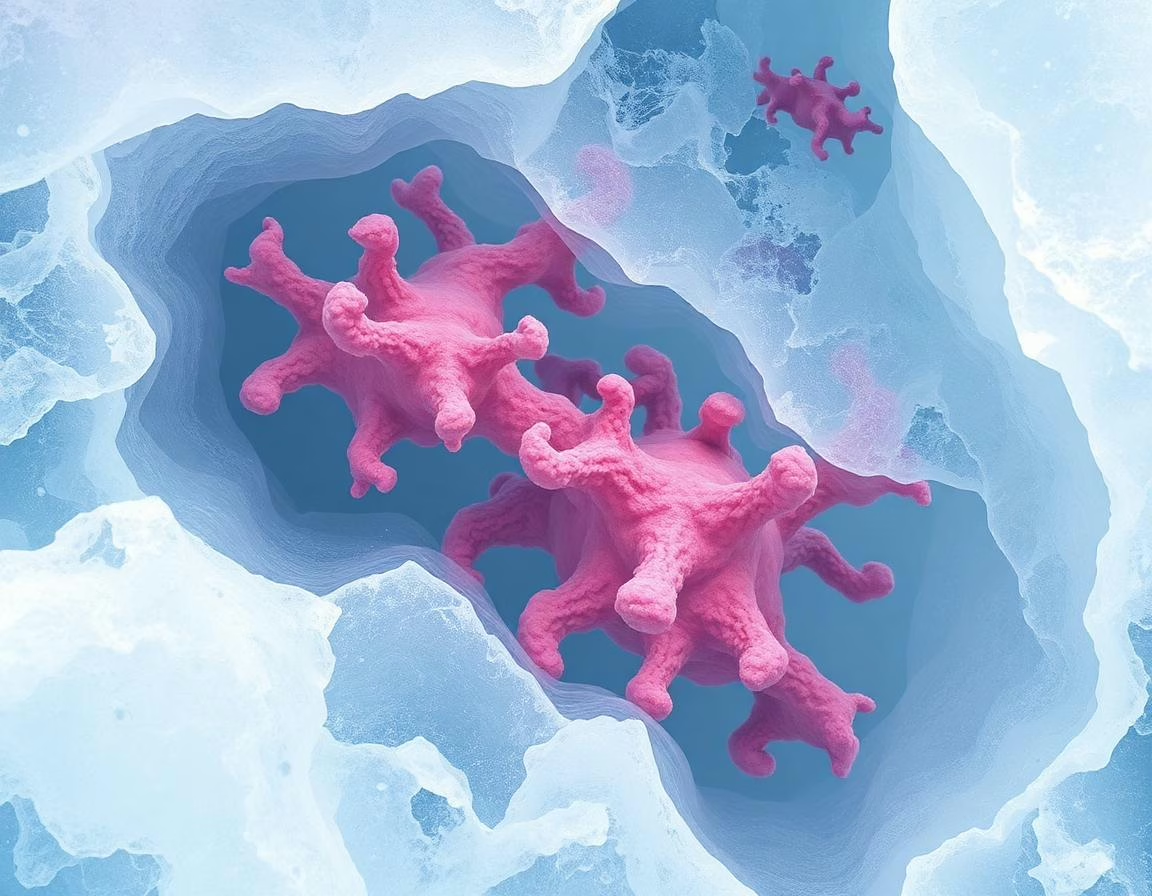
The Ice Cave Environment
Ice caves serve as reservoirs for various microorganisms, many of which have adapted to extreme conditions. These bacteria, if released due to climate change, could present new challenges in the context of antibiotic resistance. The melting ice could lead to the introduction of ancient strains into contemporary ecosystems, allowing them to interact with modern bacteria and potentially transfer resistance genes.
Threats of Antibiotic Resistance
The study conducted by researchers from the Institute of Biology Bucharest highlights the dual nature of these ancient bacteria. Dr. Cristina Purcarea, a senior scientist involved in the research, emphasizes that while these microbes could exacerbate the global issue of antibiotic resistance, they might also lead to innovative solutions. The resistance exhibited by Psychrobacter SC65A.3 to numerous antibiotics commonly used in clinical settings raises alarms about the evolutionary capabilities of bacteria in isolated environments.
Unique Genetic Insights
The researchers extracted a 25-metre core of ice from the Great Hall of the cave, representing a timeline of 13,000 years. This core was analyzed in the laboratory, where scientists sequenced the genomes of various bacterial strains. Their analysis revealed specific genetic adaptations that not only enable survival in low temperatures but also provide resistance to antibiotics.
Among the findings, nearly 600 genes with unknown functions were identified, suggesting a wealth of biological mechanisms that remain untapped. This indicates that ancient bacteria carry potential for significant biotechnological breakthroughs.
Testing Against Modern Antibiotics
To understand the extent of resistance, researchers subjected Psychrobacter SC65A.3 to 28 antibiotics from ten different classes. The results were telling: the strain showed resistance to ten widely used antibiotics, including those for treating urinary tract infections, lung infections, and skin conditions. This resistance suggests that the cold environment contributed to the evolution of specific DNA sequences that enhance survival against modern pharmaceuticals.
The Promise of Ancient Microbes
Despite the risks, the discovery of such bacteria holds promise. The unique enzymes and antimicrobial compounds produced by ancient strains could inspire the development of new antibiotics and industrial enzymes. Dr. Purcarea notes that these discoveries underscore the importance of studying ancient genomes to understand the evolution of antibiotic resistance. This knowledge could pave the way for innovative medical treatments that leverage the natural capabilities of microbes.
The Role of the Natural Environment
The findings from this study highlight the significant role that the natural environment plays in the evolution of antibiotic resistance. By examining ancient bacteria, researchers can gain insights into how resistance mechanisms developed long before the advent of modern antibiotics. This understanding is crucial in addressing the current crisis of antibiotic resistance.
Safety and Handling Considerations
While the potential benefits of studying ancient bacteria are clear, researchers stress the importance of careful handling and safety measures in the laboratory. Uncontrolled release of these microbes could pose risks to public health, making it essential to manage their study responsibly.
Conclusion
The discovery of antibiotic-resistant bacteria in ancient ice presents a dual narrative of threat and opportunity. As scientists explore these ancient strains, they not only confront the challenges posed by antibiotic resistance but also uncover potential avenues for innovation in medicine. The balance between harnessing these microbes and ensuring safety will be crucial as we navigate the complexities of antibiotic resistance in the modern world.
- Ancient bacteria can influence modern antibiotic resistance.
- Psychrobacter SC65A.3 shows resistance to ten widely used antibiotics.
- Unique genetic traits offer potential for new biotechnological applications.
- Understanding ancient microbes is essential for tackling antibiotic resistance.
- Careful lab safety measures are vital in studying these organisms.
Read more → www.aol.com



