
In Zimbabwe, the disappearance of medicinal plants is becoming a critical issue, with climate change-induced droughts posing a significant threat to these valuable resources. Henry Fusirayi Nzarayebani, a traditional herbalist in Zimunya, highlights the challenges faced as he witnesses the dwindling availability of medicinal plants essential for treating various ailments in the local community. The overharvesting of these plants, coupled with competition from invasive species and the impact of prolonged droughts, has resulted in a concerning decline in their abundance.
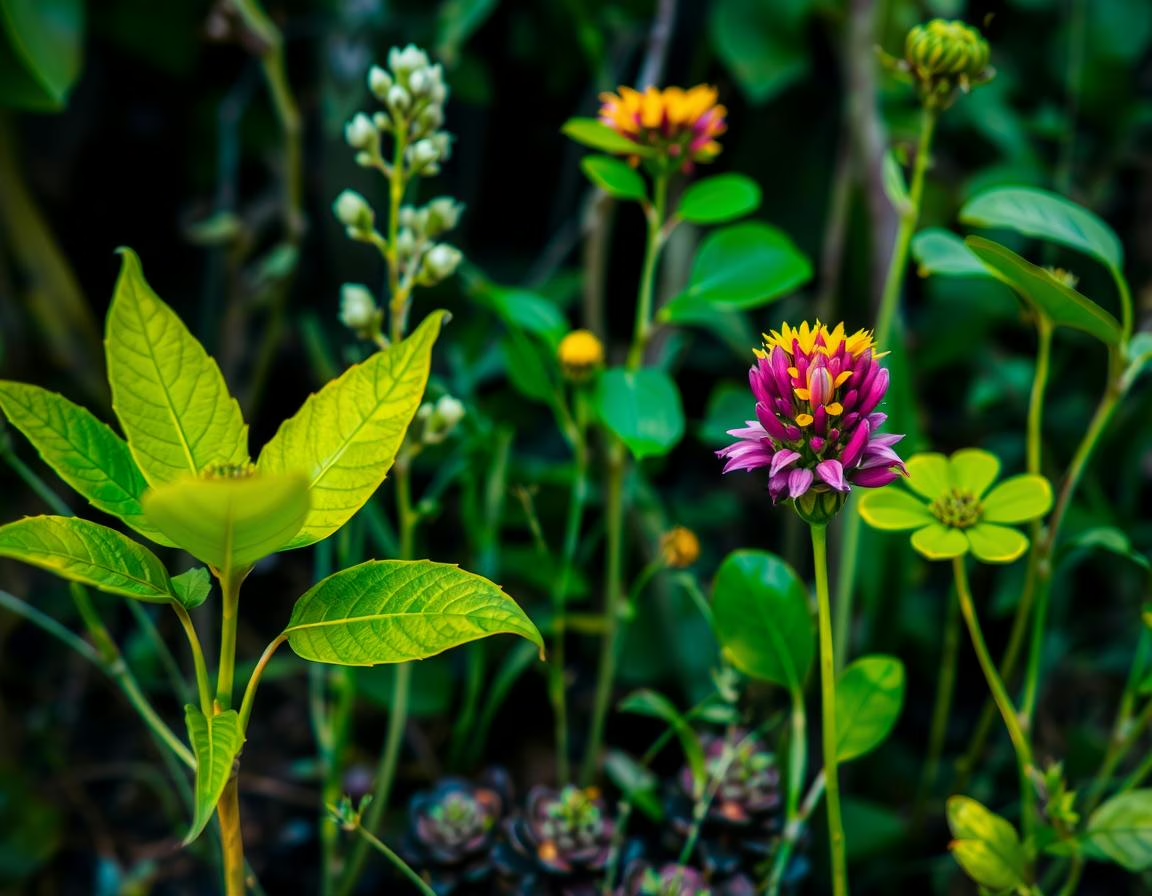
The impact of climate change on Zimbabwe’s medicinal plants is evident, with the country experiencing more frequent and severe droughts in recent years. The devastating drought in 1992 marked the beginning of a series of dry spells that have continued to affect the availability of medicinal herbs. The scarcity of these plants not only threatens traditional healing practices deeply rooted in Zimbabwean culture but also poses a significant health risk to communities, especially those in remote rural areas with limited access to modern healthcare facilities.
The reliance on medicinal plants for treating common ailments like high blood pressure, stomach aches, and infections underscores the importance of preserving these natural resources. However, the disappearance of key plant species, as noted by Nzarayebani and other herbalists, paints a grim picture of the impact of climate change on traditional medicine in Zimbabwe. The loss of biodiversity and the inability of plants to regenerate due to prolonged droughts further exacerbate the challenges faced by local communities in accessing essential healthcare resources.
Albert Mutasa’s concerns echo the sentiments of many Zimbabweans who are witnessing the rapid depletion of medicinal plants that have been integral to their healthcare practices for generations. The destruction of wetlands and the loss of plant species due to changing environmental conditions pose a direct threat to the sustainability of traditional medicine in the country. The interplay between climate change, droughts, and the disappearance of medicinal plants highlights the urgent need for conservation efforts and sustainable resource management practices.
Lawrence Nyagwande, a plant expert, emphasizes the undeniable link between droughts driven by climate change and the loss of Zimbabwe’s medicinal plants. The disruption of plant regeneration cycles and the inability of certain species to withstand prolonged water scarcity underscore the vulnerability of these valuable resources to changing climatic conditions. As Zimbabwe grapples with the impact of climate change on its biodiversity and traditional healing practices, collaborative efforts involving local communities, environmental organizations, and policymakers are essential to mitigate the threats facing medicinal plants.
The challenges faced by Zimbabwe’s medicinal plants serve as a stark reminder of the far-reaching consequences of climate change on biodiversity and traditional knowledge systems. The urgent need to address the underlying drivers of plant loss, including unsustainable harvesting practices and environmental degradation, requires coordinated action at the local, national, and international levels. Preserving the rich biodiversity of Zimbabwe’s medicinal plants is not only crucial for safeguarding public health but also for maintaining the cultural heritage and ecological balance of the country.
Key Takeaways:
- The disappearance of medicinal plants in Zimbabwe is exacerbated by climate change-induced droughts, threatening traditional healing practices and community health.
- Sustainable conservation efforts and resource management practices are crucial to preserving Zimbabwe’s rich biodiversity of medicinal plants.
- Collaborative initiatives involving local communities, environmental organizations, and policymakers are essential to mitigate the impact of climate change on medicinal plants.
Read more on news.trust.org



