
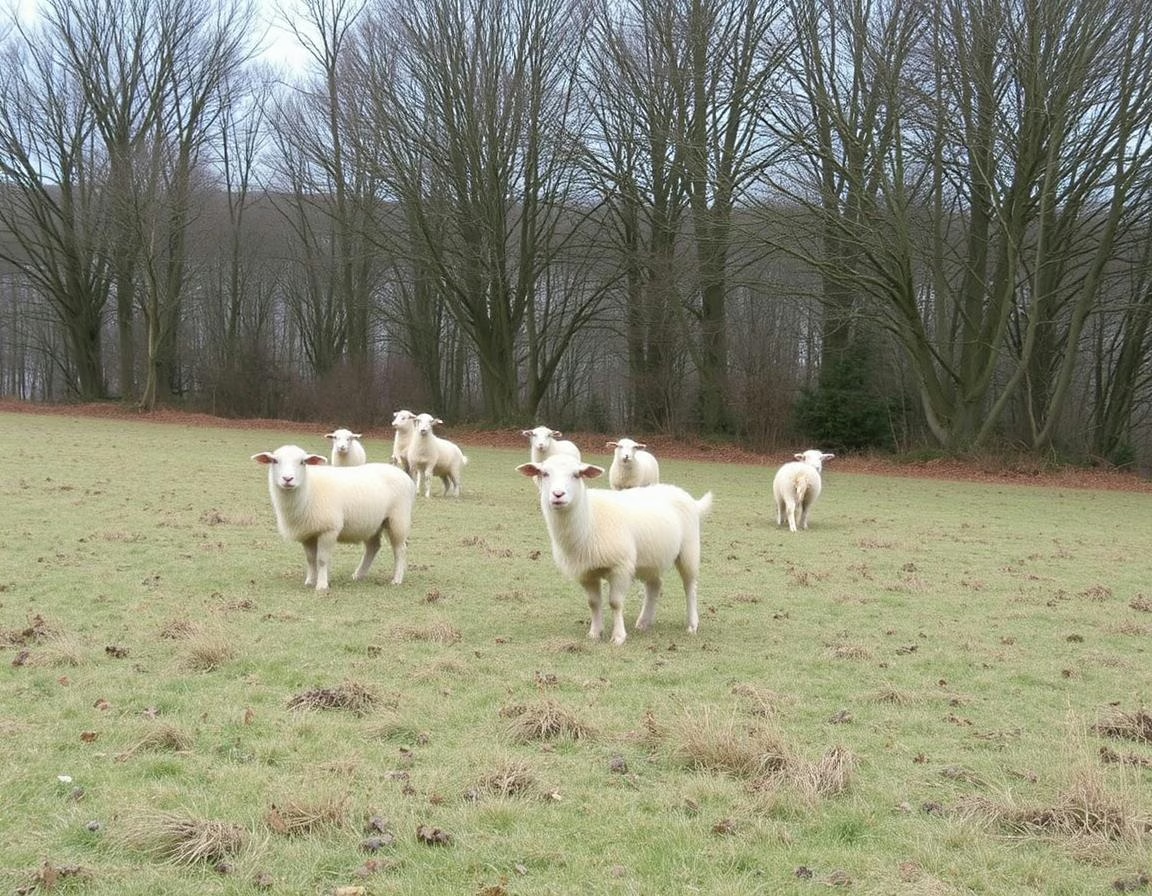
Farmers are being urged to prioritize the trace element supplementation of ewes this winter, following recent data that highlights concerning deficiencies among sheep populations. Surveillance conducted by the Animal and Plant Health Agency (APHA) and SRUC reveals that trace element deficiencies rank among the most common diagnoses in sheep submissions. Notably, between 2015 and 2024, selenium deficiency emerged as the second most frequent diagnosis during the October to December period, while cobalt and vitamin B12 deficiency ranked fourth.
Importance of Trace Elements
Nia Williams, Technical Manager at Nettex, emphasizes the critical nature of addressing these deficiencies to prevent metabolic and reproductive complications during late gestation and lambing. As ewes approach the final six weeks of pregnancy, about 75% of fetal development occurs, intensifying the nutritional demands placed on the ewe.
Williams asserts, “A balanced diet is essential, encompassing energy, protein, and trace elements.” Selenium and vitamin E are particularly vital during this phase, as deficiencies can lead to developmental challenges, increased risk of abortions, stillbirths, and the birth of weak lambs.
Soil Conditions and Selenium Absorption
The risk of selenium deficiency is closely tied to the digestibility of selenium in forage, which can vary significantly, ranging from 35% to 65%. Soil conditions also play a crucial role in selenium uptake, with well-aerated, alkaline soils facilitating better absorption. Conversely, compacted or waterlogged soils can hinder selenium availability, a concern that farmers should consider when planning their nutrition strategies.
Dr. Alison Bond, Technical Services Manager at Rumenco, warns, “Grazing in areas prone to soil compaction may limit the forage’s ability to absorb vital trace elements like selenium.” This factor should be taken into account when devising nutritional plans for ewes.
Risks of Over-Supplementation
While supplementation is essential, Williams cautions against the risks of over-supplementation, particularly with selenium. “The safety margin for selenium is narrower than for many other trace elements,” she notes. To ensure appropriate levels, she recommends conducting blood tests on a small group of ewes and performing a comprehensive forage analysis to determine if supplementation is necessary.
Cobalt and Vitamin B12 Deficiencies
Cobalt and vitamin B12 deficiencies are also significant concerns, primarily linked to low cobalt soils. These deficiencies can be exacerbated by worm infestations, which may lead to diarrhea and interfere with the absorption of vitamin B12. Williams explains that cobalt is crucial for rumen microbes to produce vitamin B12, which sheep need for fiber digestion and energy metabolism. Ewes lacking sufficient vitamin B12 may struggle to optimize their available diet and could face heightened risks as they approach lambing.
Effective Supplementation Strategies
Farmers have access to a variety of targeted products designed to protect the health of ewes and their unborn lambs. Williams emphasizes the importance of understanding the specific needs of a flock and tailoring supplementation accordingly. Options include boluses like the Endurabol Sheep Bolus, as well as drench products that provide cobalt, selenium, and vitamin B12.
Dr. Bond suggests that, in cases where additional energy is required to maintain body condition and production levels, farmers might explore mineralized free-access feed blocks or molassed bucket supplements. However, she reiterates the need for caution to avoid over-supplementation.
The Role of Forage Analysis and Blood Testing
To effectively manage trace element deficiencies, it is essential for farmers to conduct regular forage analyses and blood tests. This proactive approach allows for strategic supplementation, ensuring that ewes maintain optimal health and that lamb viability is safeguarded as the season progresses.
Conclusion
In conclusion, the winter months pose a significant risk for trace element deficiencies in ewes, making it imperative for farmers to take action. Through careful monitoring of soil conditions, dietary needs, and potential supplementation strategies, farmers can enhance the health of their flocks and ensure successful lambing seasons. Ultimately, informed decisions will lead to healthier ewes and stronger lambs.
- Regularly test blood and forage to identify deficiencies.
- Provide balanced diets that include necessary trace elements.
- Be cautious of both deficiencies and the risks of over-supplementation.
- Consider specific products designed for targeted supplementation.
- Monitor soil conditions to optimize trace element absorption.
Source: www.thescottishfarmer.co.uk



