
In an astonishing revelation that has left the scientific community buzzing with excitement, a team of researchers recently unveiled the existence of massive DNA structures, aptly named “Inocles,” residing within the human mouth. This groundbreaking discovery sheds light on a previously unknown aspect of the intricate microbial ecosystems that coexist with us. The findings, published in the prestigious journal Genome Research, have sent ripples through the fields of genomics and microbiology, prompting a reevaluation of our understanding of the oral microbiome.
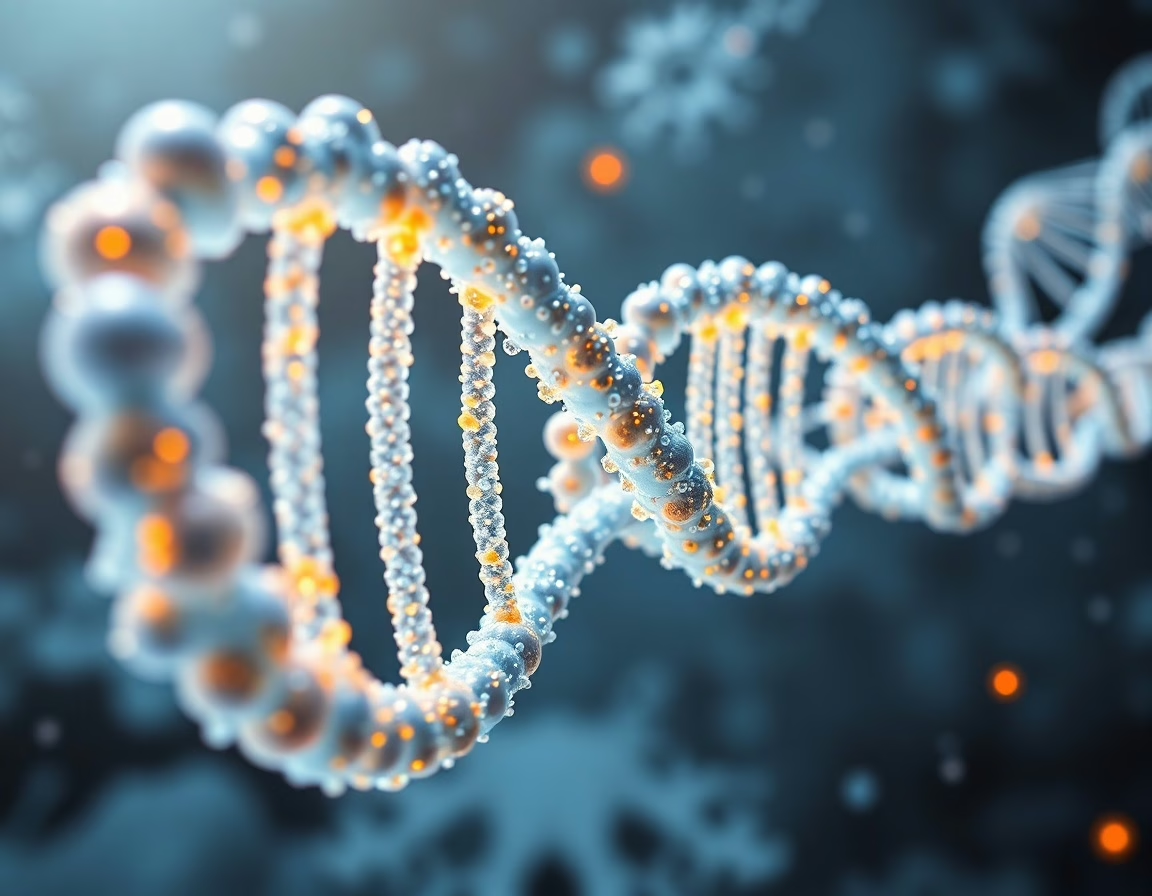
The human oral cavity is a complex and dynamic environment teeming with a diverse array of microorganisms, collectively known as the oral microbiome. While bacteria have traditionally taken the spotlight in microbiome research, this discovery catapults DNA into the limelight as a significant player in this intricate microbial landscape. The team of researchers, led by Dr. Elena Alvarez, utilized cutting-edge technologies to unravel the mysteries of these enigmatic DNA structures, revealing a hidden world of genetic material that challenges conventional wisdom.
Unveiling the Inocles: A Glimpse into a Hidden Microbial World
The term “Inocles” was coined by the researchers to describe these large DNA structures that had previously eluded detection. These entities, which bear a striking resemblance to circular DNA plasmids found in bacteria, have sparked intense curiosity among scientists striving to comprehend their origin, function, and impact on human health. Through a series of meticulous experiments and sophisticated bioinformatics analyses, the research team meticulously mapped the genetic landscape of the Inocles, unraveling their intricate genetic code and shedding light on their potential role in the oral microbiome.
Decoding the Secrets of the Inocles: Implications for Human Health and Disease
The discovery of Inocles opens up a Pandora’s box of questions surrounding their potential implications for human health and disease. Could these massive DNA structures play a role in modulating the oral microbiome, influencing susceptibility to diseases such as cavities, gum disease, or even systemic conditions like cardiovascular disease? Dr. Alvarez and her team are at the forefront of efforts to decipher the functional significance of Inocles and their interplay with other members of the oral microbiome, paving the way for future breakthroughs in personalized medicine and microbiome-based therapeutics.
Unraveling the Evolutionary Origins of the Inocles: Clues from Comparative Genomics
By delving into the evolutionary history of the Inocles and comparing their genetic makeup with known DNA structures, researchers hope to glean insights into their origins and evolutionary significance. The team’s comparative genomics analyses have revealed intriguing parallels between the Inocles and genetic elements found in diverse microbial species, hinting at a complex web of genetic exchange and evolution within the oral microbiome. These findings underscore the dynamic nature of microbial ecosystems and the intricate interplay between different genetic entities in shaping the oral microbiome’s diversity and function.
The Inocles as Sentinels of Oral Health: Harnessing DNA for Therapeutic Insights
One of the most tantalizing prospects arising from the discovery of Inocles is the potential to leverage these massive DNA structures as diagnostic markers for oral health and disease. Could the presence or absence of specific Inocles serve as indicators of oral health status, paving the way for non-invasive diagnostic tools with far-reaching clinical implications? Dr. Alvarez’s team is actively exploring this possibility, capitalizing on the unique genetic signatures of Inocles to develop novel strategies for monitoring and maintaining oral health.
Navigating the Uncharted Terrain of the Oral Microbiome: Future Directions and Challenges
As scientists venture deeper into the unexplored realms of the oral microbiome, numerous challenges and opportunities lie on the horizon. From deciphering the complex interactions between Inocles and other microbial inhabitants to elucidating their role in health and disease, the path ahead is fraught with exciting discoveries and formidable obstacles. Collaborative research efforts, multidisciplinary approaches, and technological innovations will be essential in unraveling the intricate tapestry of the oral microbiome and harnessing its full potential for improving human health.
In conclusion, the revelation of massive DNA “Inocles” residing in the human mouth represents a paradigm shift in our understanding of the oral microbiome’s complexity and diversity. As researchers continue to unravel the mysteries surrounding these enigmatic DNA structures, a new chapter unfolds in the saga of microbial life within us. By probing the secrets of the Inocles, we not only expand our knowledge of the microbial world but also open doors to innovative diagnostics, therapeutics, and personalized interventions that hold immense promise for revolutionizing oral healthcare.
Key Takeaways:
– The discovery of massive DNA “Inocles” in the human mouth challenges traditional views of the oral microbiome’s composition and function.
– Inocles represent a novel frontier in microbial research, offering insights into genetic elements that shape the oral microbiome’s dynamics.
– Comparative genomics studies shed light on the evolutionary origins and significance of Inocles in the context of microbial ecosystems.
– Leveraging Inocles as diagnostic markers for oral health holds potential for advancing personalized medicine and preventive oral healthcare.
Read more on source



