
In a recent groundbreaking discovery, researchers have delved into the depths of the Antarctic ice shelves, unearthing a previously unknown culprit exacerbating their rapid deterioration. The investigation, as detailed in an article by EOS, focused on the Ronne ice shelf, where scientists utilized innovative techniques involving hot water drilling to unveil a startling revelation.
The study revealed that powerful tides are playing a significant role in the accelerated melting of these colossal ice structures. As the foundations of the ice shelves weaken due to the relentless force of the tides, their capacity to impede the flow of land ice into the ocean diminishes. Consequently, the heightened tides introduce friction, causing a slowdown in the water currents beneath the ice, ultimately leading to increased warmth and expedited melting processes.
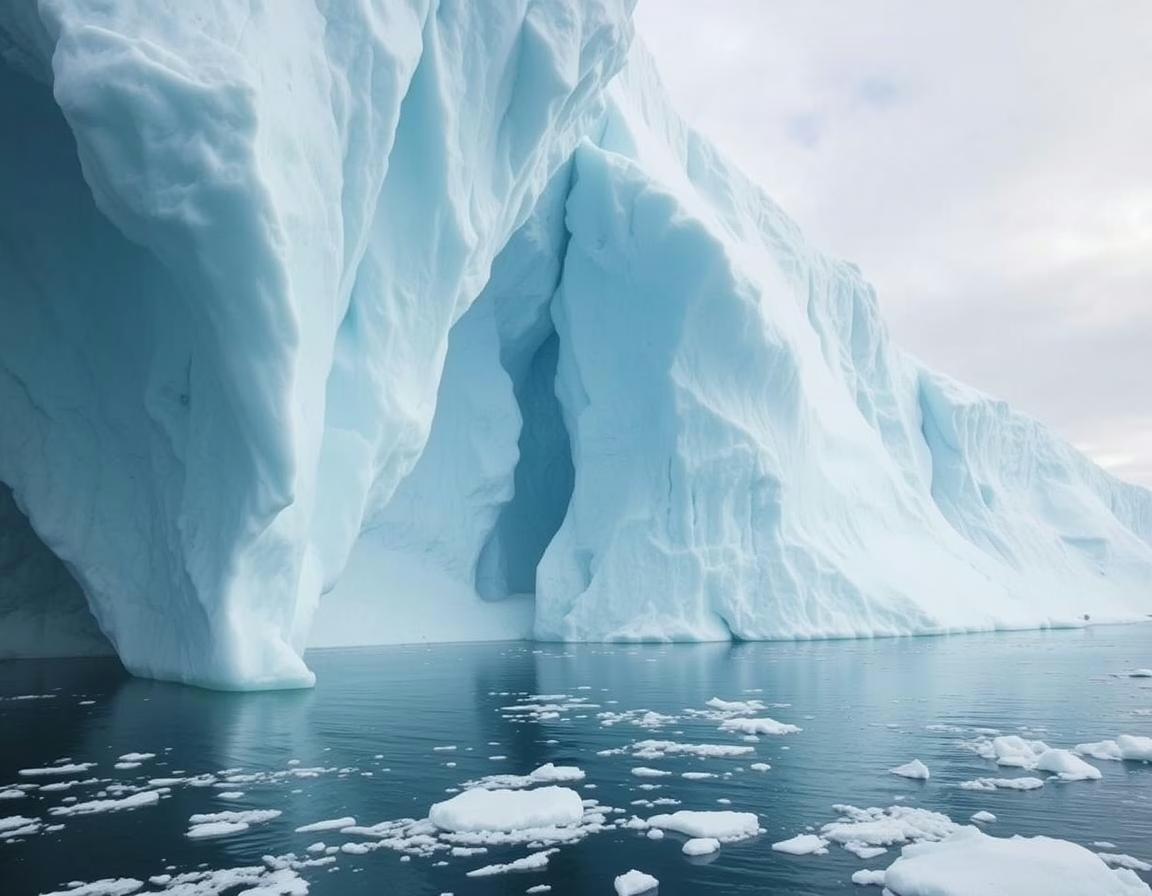
Ice shelves, massive ice formations that float on the ocean’s surface and are primarily nourished by glaciers and ice sheets, serve as crucial barriers that regulate the flow of ice from land to sea. Predominantly situated in the Antarctic region, these formations, such as the colossal Ross ice shelf, act as vital safeguards for ice sheets, mitigating sea-level rise. Additionally, they provide essential habitats for diverse wildlife, including penguins, and serve as breeding grounds for krill, a cornerstone of several marine ecosystems.
The ramifications of Antarctic ice melt extend far beyond the polar regions, with potential disruptions to global food systems, increased disease transmission, and elevated tides during extreme weather events posing significant threats to communities worldwide. The loss of all ice shelves would not only devastate Antarctic wildlife but also precipitate a rapid escalation in sea levels, amplifying the vulnerability of coastal regions. The collapse of the Larsen B ice shelf in 2002 stands as a stark reminder of the catastrophic consequences of warmer oceans, driven by human-induced climate change.
The latest research findings underscore the pressing need for collective action to safeguard these vital ecological structures. While reducing harmful pollution remains paramount in preserving ice shelves, the current pace of mitigation efforts falls short, necessitating innovative interventions. Geoengineering, albeit a contentious and incompletely understood strategy, may offer a viable solution to buying crucial time in mitigating ice melt. A 2025 study proposed targeted interventions as part of a holistic approach to decelerate the melting process, emphasizing the imperative of combining such measures with robust pollution reduction initiatives.
Efforts to protect natural wonders like ice shelves require a concerted global commitment to sustainable practices, clean energy adoption, and conscientious support for environmentally conscious policies. Every individual has a role to play in advancing environmental conservation, from embracing renewable energy sources to advocating for climate-resilient policies and fostering community awareness.
Preserving Ice Shelves: Challenges and Solutions
Bottlenecks in Conservation Efforts
- Limited scalability of pollution reduction measures
- Insufficient global cooperation in addressing climate crises
- Lack of comprehensive understanding of geoengineering implications
Strategies for Execution at Scale
- Enhancing international collaboration for coordinated conservation initiatives
- Investing in advanced monitoring technologies to track ice shelf dynamics effectively
- Fostering public engagement and education on climate change impacts and conservation strategies
In conclusion, the revelations regarding the underlying forces propelling Antarctic ice shelf deterioration serve as a clarion call for immediate and decisive action to mitigate climate change impacts. As custodians of the planet, it is incumbent upon us to champion sustainability, advocate for policy reforms, and embrace innovative solutions to combat the existential threat posed by environmental degradation. Through concerted efforts and unwavering commitment to conservation, we can endeavor to preserve the invaluable ecosystems that sustain life on Earth for generations to come.
Key Takeaways:
- Tides play a crucial role in accelerating Antarctic ice shelf melting.
- Geoengineering may offer a potential solution to mitigate ice melt effects.
- Collective global action is imperative to preserve vital ecological structures.
- Public engagement and advocacy are pivotal in advancing environmental conservation.
Read more on yahoo.com



