
In a groundbreaking revelation, researchers have identified the presence of bacteria within the most prevalent type of kidney stone, calcium oxalate. This discovery introduces a new dimension to our understanding of kidney stone formation, highlighting a significant biological component that may play a crucial role in this widespread condition.
Key Findings in Kidney Stone Research
Published in the Proceedings of the National Academy of Sciences, the study titled “Intercalated bacterial biofilms are intrinsic internal components of calcium-based kidney stones” has opened new avenues for potential therapeutic interventions. This research suggests that targeting the microbial environment of kidney stones could lead to novel preventative and treatment strategies for millions suffering from this painful ailment.
Dr. Kymora Scotland, an assistant professor of urology at the David Geffen School of Medicine at UCLA, emphasized the importance of these findings. The traditional perspective that kidney stones arise solely from chemical and physical processes has been challenged. This study reveals that bacteria can reside within the stones, potentially contributing to their development.
The Global Burden of Kidney Stones
Kidney stones are becoming increasingly common worldwide, with approximately one in eleven people likely to experience them in their lifetime. Several factors contribute to this rise, including genetic predisposition, metabolic syndrome, and inadequate fluid intake. The formation of kidney stones occurs when crystals develop in urine, growing large enough to obstruct normal urinary flow.
While various types of kidney stones exist, the majority—about 80%—are composed of calcium oxalate. Until this recent study, the presence of bacteria in these common stones had not been recognized.
Discovering Bacterial Presence
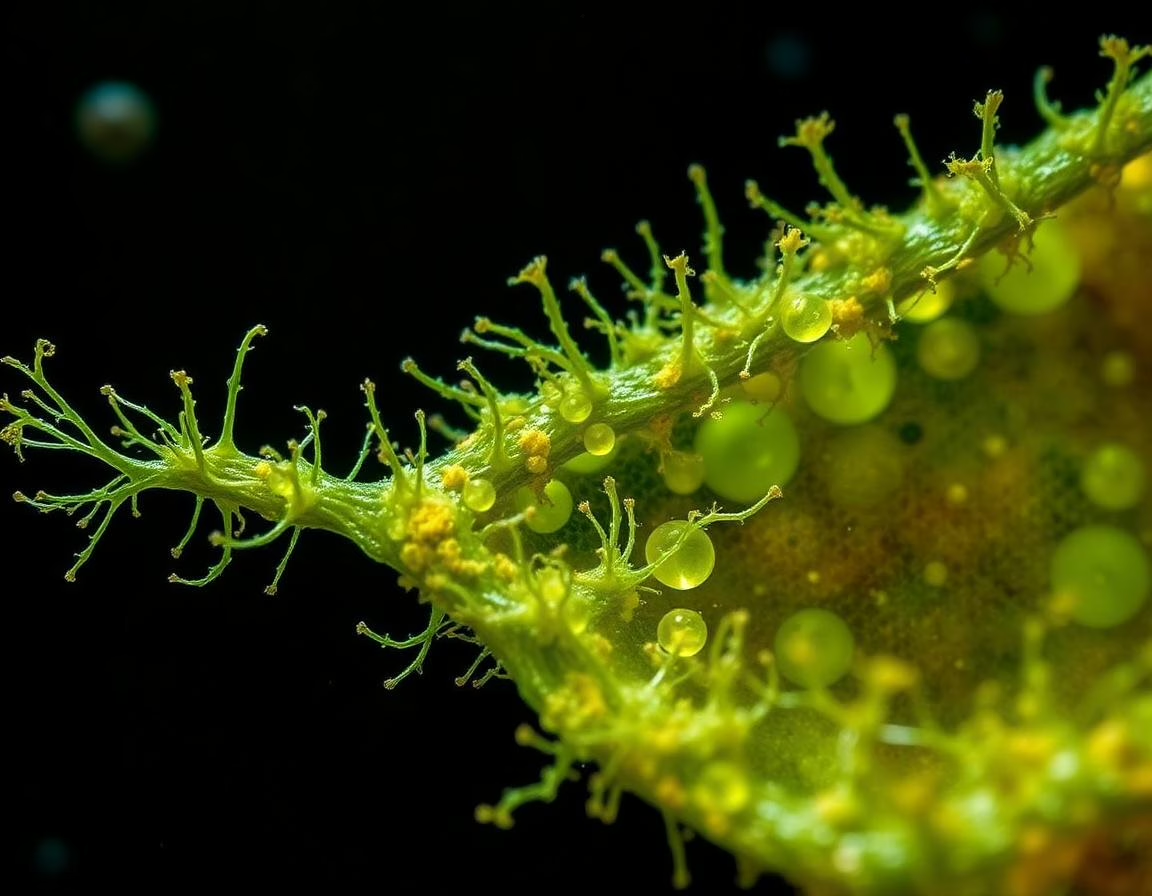
Researchers unexpectedly discovered live bacteria and bacterial biofilms integrated within calcium oxalate crystals. This finding emerged from advanced analysis techniques, including electron and fluorescence microscopy, which allowed scientists to visualize these microbial communities.
The implications of this discovery are profound. Dr. Scotland notes that understanding this new mechanism of stone formation may help clarify the link between recurrent urinary tract infections and kidney stones, offering fresh insights into treatment possibilities for individuals experiencing both conditions.
The Role of Bacteria in Stone Formation
The study primarily focuses on calcium-based stones, raising questions about the mechanisms behind other, less common types. The presence of bacteria in calcium oxalate stones suggests that similar microbial interactions may occur in other kidney stone varieties. Further research is essential to unravel the complexities of how bacteria influence kidney stone formation and to explore their role in different stone types.
Investigating Patient Susceptibility
The research team is actively investigating how bacteria interact with calcium-based kidney stones. Their goal is to identify why certain individuals are more prone to recurrent stone formation. This inquiry includes examining specific bacterial species capable of promoting stone nucleation.
Dr. Scotland and her multi-institutional team are committed to deepening our understanding of these interactions. Their findings could pave the way for targeted therapies that address the microbial factors contributing to kidney stone formation.
Implications for Future Treatments
The discovery of bacterial biofilms in kidney stones presents exciting prospects for innovative treatments. By focusing on the microbial aspects of stone development, researchers can develop strategies to prevent recurrence and alleviate the suffering caused by this condition. Such advancements could significantly impact the quality of life for millions affected by kidney stones globally.
Conclusion
This research marks a pivotal shift in our understanding of kidney stone pathology, emphasizing the role of bacteria in their formation. As scientists delve deeper into these microbial interactions, new therapeutic avenues will likely emerge, offering hope for more effective prevention and treatment options in the future. The journey toward unraveling the complexities of kidney stones has only just begun, and the potential for improved patient care is promising.
- Key Takeaways:
- Bacteria have been found within calcium oxalate kidney stones, challenging previous assumptions about their formation.
- The study suggests a potential link between bacterial presence and recurrent kidney stones and urinary tract infections.
- Ongoing research aims to explore the mechanisms of bacterial interaction and patient susceptibility to kidney stones.
Read more → www.genengnews.com



