
Recent advancements in biotechnology have unveiled a remarkable organ-on-a-chip model, illuminating the pathways through which gut toxins may influence brain health. This innovative platform provides significant insights into the gut-brain axis, a concept gaining traction in medical research that explores the interaction between gut microbiota and neurological functions.
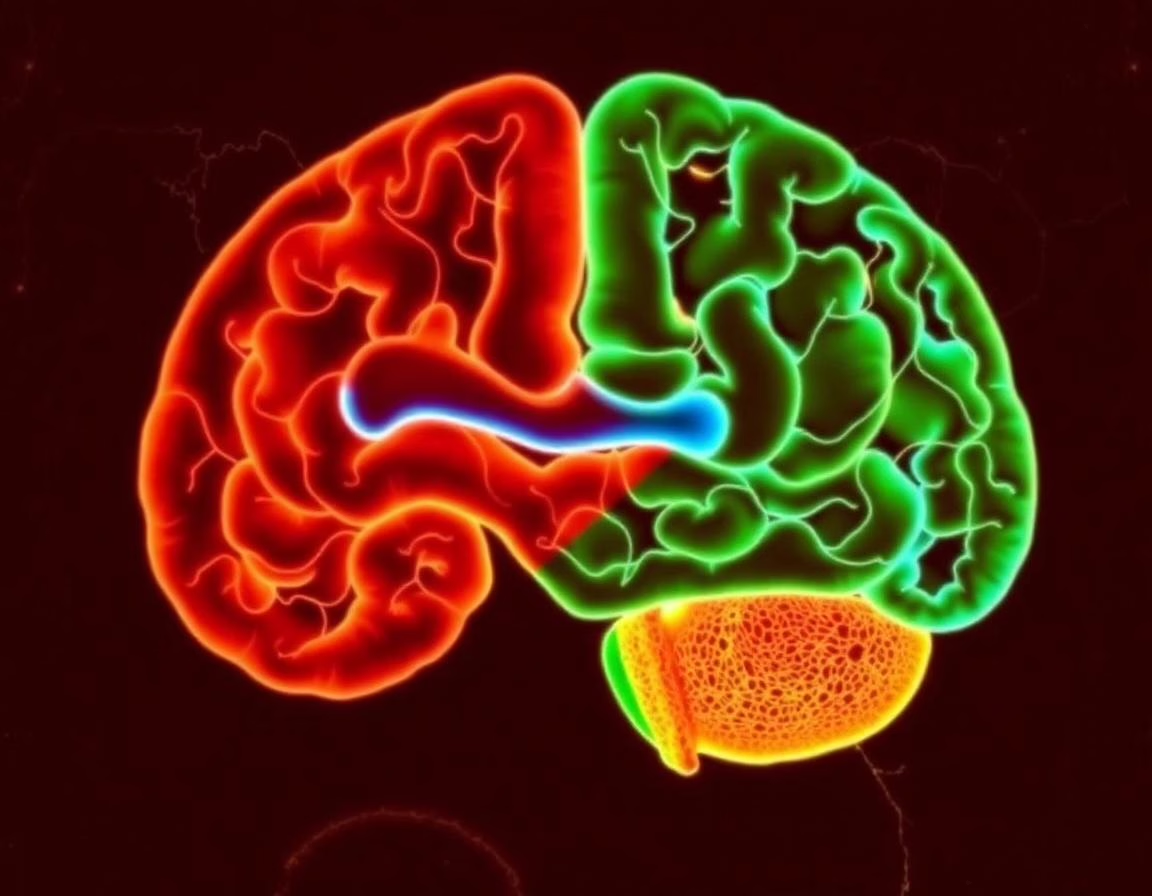
The Collaborative Breakthrough
A research team from Sungkyunkwan University, under the leadership of Professor Han Sang Cho, has made notable strides in this field. Collaborating with experts from Harvard Medical School and UC Berkeley, they have developed a three-dimensional biomimetic chip. This chip accurately mimics the intricate structure connecting the human gut, blood vessels, and brain, facilitating a more nuanced understanding of this complex interplay.
The findings of this research were recently published in ‘Nature Communications,’ highlighting the importance of this collaborative effort in advancing our comprehension of neurological disorders linked to gut health.
Understanding the Gut-Brain Axis
The gut-brain axis theory posits that the microbiota residing in the gut can significantly influence brain function, particularly through the production of toxins and inflammatory substances. Emerging evidence suggests that these gut-derived factors may play a role in various neurodegenerative diseases, including Alzheimer’s and Parkinson’s.
Historically, animal models have been employed to study these interactions. However, traditional approaches fell short in accurately replicating the human physiological environment, particularly the vascular connections crucial for understanding disease mechanisms.
Innovation Through Microfluidic Technology
The newly developed chip incorporates microfluidic channels that simulate the human circulatory system, thereby connecting the gut, blood vessels, and brain regions. It includes human intestinal epithelial cells, a microvascular structure, and neuronal tissues alongside astrocytes, which are vital for brain function.
This sophisticated design allows researchers to observe the dynamic interactions between these systems in real-time, offering a more accurate platform for experimentation and analysis.
Key Findings on Toxin Pathways
Utilizing this organ-on-a-chip model, the research team identified two critical signaling pathways that facilitate communication between the gut and the brain. When toxins were introduced into the gut, the intestinal barrier was first compromised, followed by the blood-brain barrier. This sequence enabled toxins to infiltrate the brain, resulting in inflammatory responses and the accumulation of tau proteins, which are closely associated with Alzheimer’s disease pathology.
Conversely, the study also confirmed that stimuli linked to Alzheimer’s or Parkinson’s could trigger inflammatory signals from the brain that travel back through the bloodstream, disrupting gut barrier integrity. This bidirectional communication highlights the dual impact of neurological diseases on gut health.
Implications for Drug Development
The insights gained from this advanced chip are poised to transform the landscape of therapeutic strategy evaluation. By focusing on the gut-brain-blood vessel axis, researchers can explore targeted interventions for both neurological and gastrointestinal diseases more efficiently. Professor Han Sang Cho emphasized the potential for this model to enhance new drug development processes significantly.
This platform not only fosters a deeper understanding of disease mechanisms but also opens new avenues for therapeutic exploration.
Moving Forward: The Future of Gut-Brain Research
As research progresses, the organ-on-a-chip technology stands to revolutionize our approach to studying the gut-brain connection. Its ability to replicate human physiological conditions may lead to breakthroughs in understanding the complexities of neurodegenerative diseases.
The interdisciplinary collaboration that produced this model exemplifies the power of combining diverse expertise to tackle pressing health challenges. Continued innovation in this field will undoubtedly yield significant advancements in both prevention and treatment strategies.
Key Takeaways
- The organ-on-a-chip model provides a groundbreaking platform for studying the gut-brain axis.
-
Researchers identified pathways through which gut toxins influence brain health, revealing a bidirectional relationship.
-
This technology enhances the potential for effective drug development targeting neurological and gastrointestinal diseases.
Conclusion
The development of the organ-on-a-chip model marks a pivotal moment in biomedical research, offering profound insights into the gut-brain connection. As we delve deeper into these interactions, we can anticipate remarkable advancements in our understanding and treatment of neurological disorders linked to gut health. The future of therapeutic development is bright, driven by innovative technologies that bridge the gap between different systems within the human body.
Read more → www.dongascience.com



