
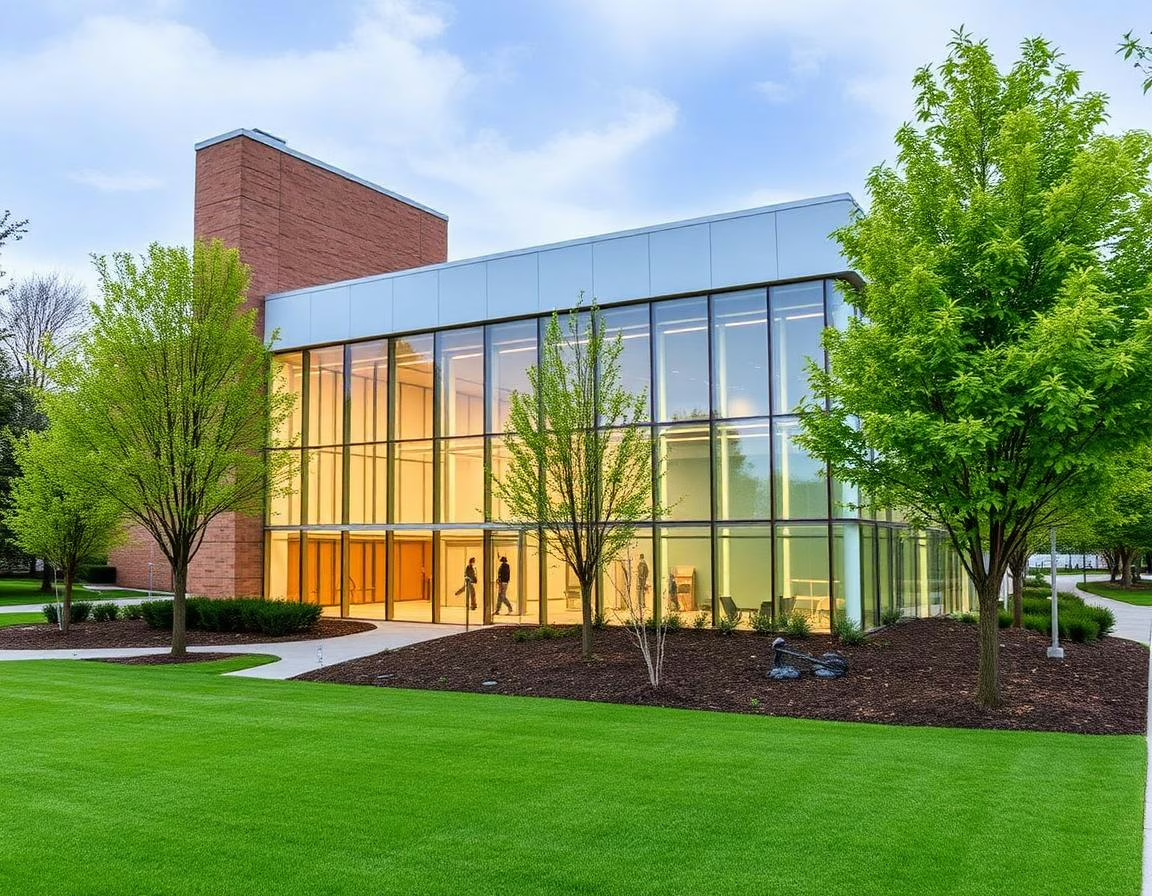
The University of Rochester has successfully reopened its Clinical Research Center, which has been significantly redesigned following a catastrophic flood that occurred nearly three years ago. The incident stemmed from a burst valve in the facility’s fire suppression system, which released approximately 170 gallons of water per minute, leading to extensive damage.
Immediate Impact of the Flood
Dr. Martin Zand, co-director of the Clinical and Translational Sciences Institute, vividly recalls the chaos that ensued. Upon arrival, he found the facility inundated, with water cascading down staircases and two and a half inches of standing water covering the floors. The flood not only impacted the Clinical Research Center but also affected four floors above, halting operations for an extended period.
In the face of such adversity, the team quickly mobilized. Within 48 hours, alternative locations were identified for patient care, and equipment was relocated within a week to the Saunders building, allowing operations to resume at about 75% capacity.
Focus on Patient Care
Zand emphasized the primary concern during the crisis: ensuring that patients in need of innovative therapies continued to receive care. “We went into disaster recovery mode,” he explained. The dedicated response underscored the team’s commitment to their community and the vital services they provide.
A New Era for Clinical Research
The flood ultimately catalyzed a much-needed overhaul of the facility, which had been in operation for 15 years. The newly redesigned Clinical Research Center features state-of-the-art amenities, including a specialized pediatric unit tailored for research involving children, an overnight stay unit, and a unit specifically for capacity studies. Additionally, a fully equipped neuromuscular lab has been integrated, allowing for the execution of minor procedures essential to ongoing research.
Dr. Karen Wilson, a pediatrician and clinical researcher at the center, noted that patients were understanding during the transition. She expressed pride in the work being conducted and excitement about welcoming patients back to the newly renovated space. “We’re really, really proud of that work,” Wilson stated.
A Blessing in Disguise
Interestingly, officials have described the flood as a “blessing in disguise.” Although renovations had been on the agenda for some time, the flood expedited the process, enabling a complete redesign of the facility. Zand remarked, “Starting from scratch is often the best way to get the best use of the space and a modern facility.”
Navigating Clinical Trials
The University of Rochester is dedicated to transparency and accessibility in clinical trial participation. Several resources are available for individuals interested in learning about ongoing trials. The University of Rochester Medical Center maintains a comprehensive listing of available trials, while its National Cancer Institute-designated cancer center features a dedicated webpage for trial information. Additionally, individual departments promote their specific clinical trials, and patients can access eligibility information through MyChart in eRecord.
Looking Forward
The reopening of the Clinical Research Center not only marks a new chapter for the University of Rochester but also signifies a renewed commitment to advancing clinical research in the region. The modernized facility is poised to facilitate significant breakthroughs in medical research and patient care.
Key Takeaways
- The University of Rochester’s Clinical Research Center reopened after extensive renovations following a flood.
- The redesign includes specialized units for pediatric research, capacity studies, and neuromuscular labs.
-
The rapid response to the flood ensured continuity of patient care during a challenging period.
-
The university emphasizes accessibility to clinical trials and ongoing patient information.
In conclusion, the University of Rochester’s revitalized Clinical Research Center stands as a testament to resilience and innovation. While the flood was a setback, it ultimately provided an opportunity to enhance the facility for better serving the community and advancing clinical research. This new chapter promises exciting developments in patient care and therapeutic exploration.
Read more → www.whec.com



