
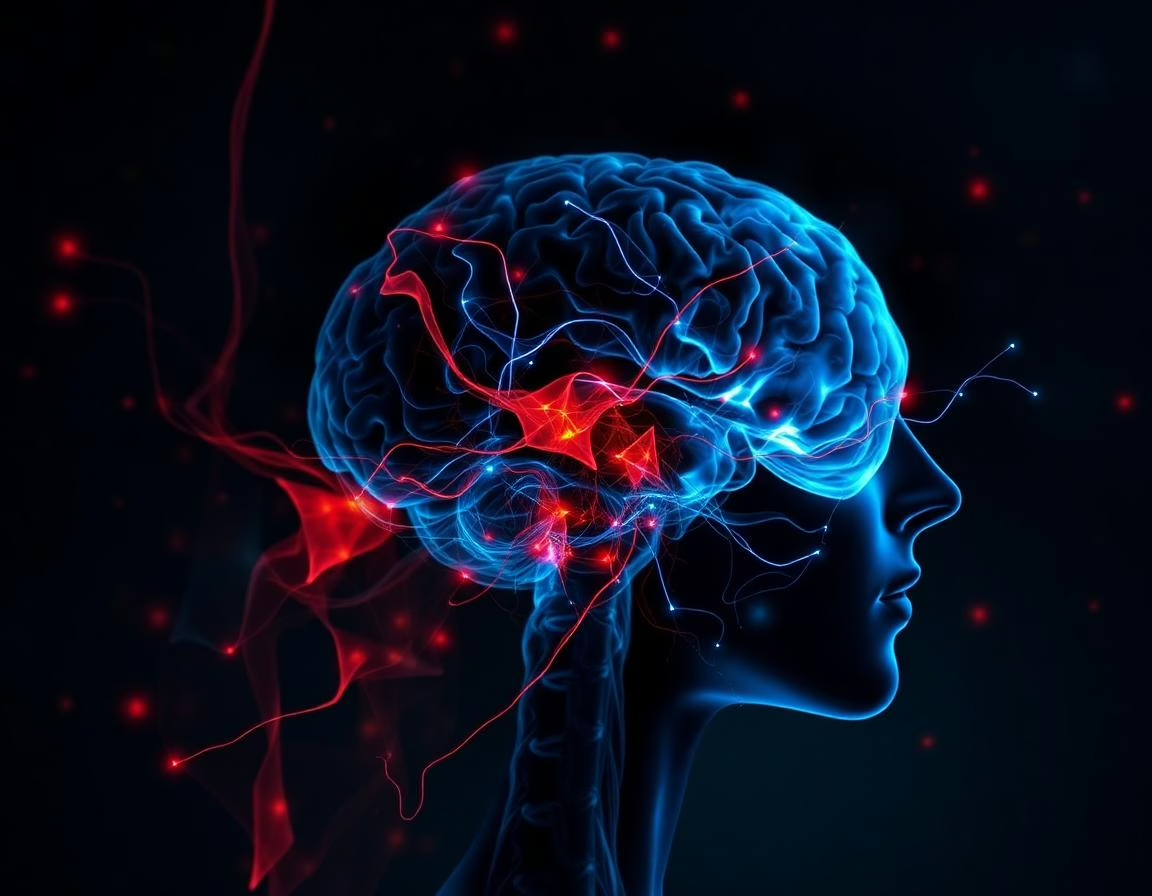
Brain plasticity, often referred to as neuroplasticity, is a fascinating concept that describes the brain’s ability to adapt and change throughout an individual’s life. Contrary to what the term “plastic” might suggest, this phenomenon is not about material substances; rather, it pertains to the brain’s remarkable capacity to reorganize itself in response to learning, experience, and even injury.
The Significance of Brain Plasticity
Brain plasticity plays a crucial role in our cognitive development, emotional well-being, and overall mental health. This adaptability allows us to acquire new skills, form memories, and recover from brain injuries. Understanding neuroplasticity is essential for grasping how our brains develop and decline over time, influencing our unique personalities and abilities.
The Physical Changes in the Brain
Neuroplasticity involves tangible changes in the brain’s structure and function. The brain is composed of gray matter, which can either thicken or shrink based on various stimuli. Neural connections, the pathways through which information flows, can be strengthened or weakened. This dynamic process illustrates that every experience we have can physically alter our brains, either enhancing our skills or diminishing them.
Learning and Memory: The Key Connections
Each time we engage in a new activity—like learning a dance step—our brains create new neural pathways. These pathways serve as instructions that guide our bodies through the movements required for the task. Conversely, forgetting someone’s name signifies the degradation or disconnection of previously established neural links. These examples underscore that brain changes can lead to both skill enhancement and decline.
The Role of Environment and Experience
The environment and experiences we encounter significantly influence brain plasticity. Engaging in challenging tasks, social interactions, and novel experiences can stimulate neural growth and strengthen connections. Conversely, a lack of mental stimulation may lead to cognitive decline. Thus, maintaining an active and enriching lifestyle is vital for promoting healthy brain function.
Neuroplasticity in Rehabilitation
Neuroplasticity is particularly important in the field of rehabilitation, especially after brain injuries or strokes. Therapeutic interventions aim to harness the brain’s plasticity to facilitate recovery. Through targeted exercises and mental training, individuals can often regain lost functions by retraining their brains to forge new neural pathways.
The Impact of Age on Brain Plasticity
While neuroplasticity exists throughout life, its effectiveness may vary with age. Younger brains tend to exhibit greater plasticity, allowing for more rapid learning and adaptation. However, research indicates that adults can still experience significant changes in their brains through continued learning and practice. This adaptability highlights the importance of lifelong learning for cognitive health.
Practical Applications and Benefits
Understanding brain plasticity has practical implications for enhancing cognitive function. Engaging in activities that challenge the brain—such as puzzles, learning a new language, or playing a musical instrument—can promote neural growth. Additionally, mindfulness practices and physical exercise have been shown to positively influence brain health.
Takeaways on Brain Plasticity
- Neuroplasticity allows the brain to adapt and change throughout life.
- Physical changes in the brain reflect learning and memory processes.
-
A stimulating environment enhances brain function and promotes neural connections.
-
Rehabilitation strategies can leverage neuroplasticity for recovery after injuries.
-
Lifelong learning is crucial for maintaining cognitive health and adaptability.
In conclusion, brain plasticity represents the brain’s remarkable ability to adapt to new experiences and challenges. Understanding this concept not only provides insights into how we learn and remember but also emphasizes the importance of nurturing our cognitive abilities throughout our lives. By embracing activities that stimulate our brains, we can enhance our mental agility and overall well-being.
Read more → www.aol.com



