
U.S. Intercepts Iranian Cargo Ship Amid Tensions Near Strait of Hormuz
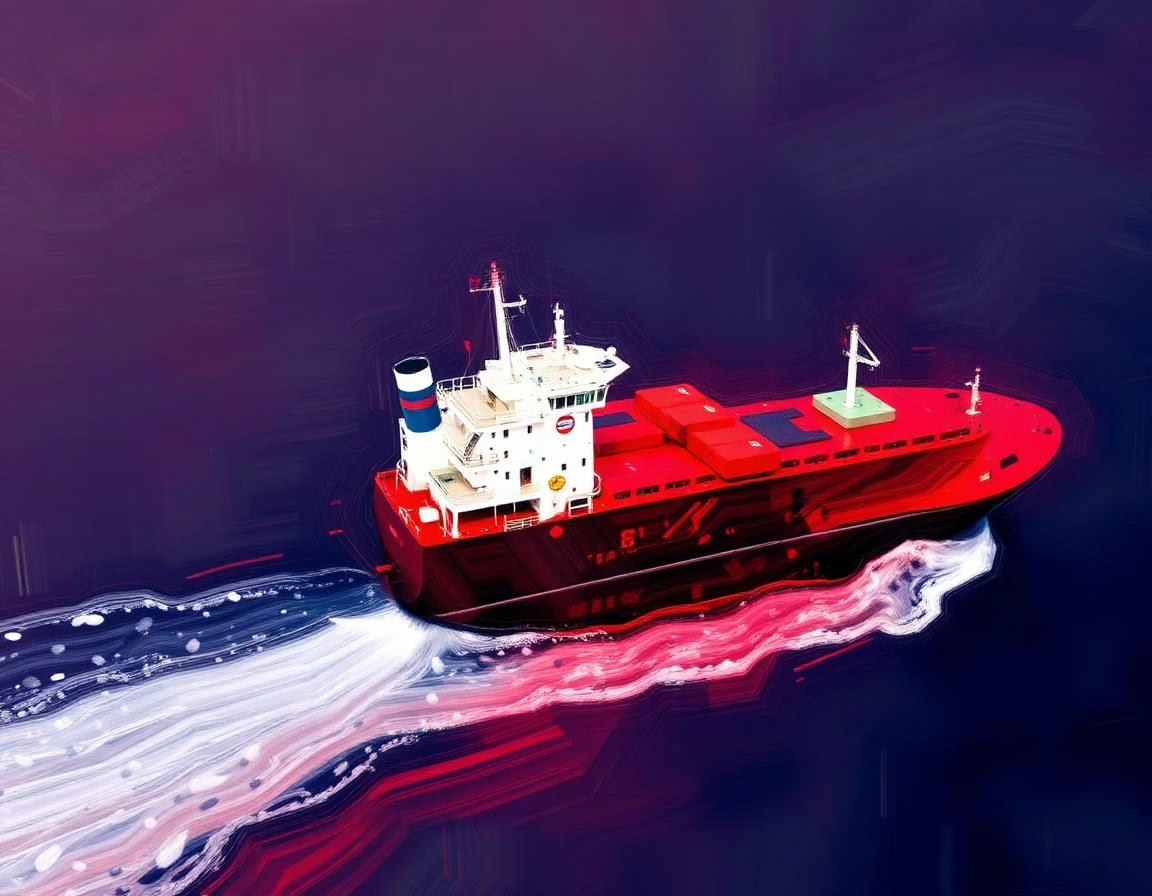
The geopolitical climate surrounding the Strait of Hormuz has intensified as President Donald Trump announced the U.S. seizure of an Iranian-flagged cargo ship attempting to breach a naval blockade. This development marks the first such interception since the blockade took effect last week, reflecting escalating tensions between the U.S. and Iran.
The Seizure Incident
On Sunday, Trump shared on social media that the U.S. Navy had issued warnings to the vessel, which was attempting to navigate around the blockade in the Gulf of Oman. The president claimed that U.S. forces “stopped them right in their tracks by blowing a hole in the engine room,” and he confirmed that U.S. Marines had taken custody of the ship, named Touska, to investigate its cargo.
Iran has yet to respond to the seizure, raising questions about the future of U.S.-Iran negotiations scheduled to take place in Pakistan. These talks had initially fueled hopes for a continuation of a fragile ceasefire, which was poised to expire soon.
Diplomatic Stalemate
Iran’s Deputy Foreign Minister Saeed Khatibzadeh expressed skepticism about engaging in further negotiations with the U.S., asserting that the Americans had not modified their “maximalist position.” Meanwhile, Iran’s chief negotiator, Mohammed Bagher Qalibaf, indicated that while diplomacy remains a priority, significant differences still exist between the two nations.
Despite ongoing tensions, Pakistan is attempting to mediate further discussions between U.S. and Iranian officials. Security measures have tightened in Islamabad in anticipation of these talks, although the exact details remain unclear.
The Economic Implications
The situation in the Strait of Hormuz is critical, as it serves as a vital artery for global oil trade, with approximately one-fifth of the world’s oil passing through the waterway. The blockade has left hundreds of vessels stranded, exacerbating a potential energy crisis that could have far-reaching consequences.
Iranian officials have firmly stated that they will not allow ships to transit through the Strait of Hormuz while the U.S. blockade remains in effect. Qalibaf emphasized this point, arguing that it is “impossible for others to pass through” while Iranian vessels are restricted.
Threats and Consequences
In light of the escalating hostilities, Trump reiterated threats to Iranian infrastructure, vowing to target power plants and bridges if negotiations do not yield satisfactory results. This rhetoric has drawn criticism and raised concerns about potential war crimes.
As the standoff continues, Iranian officials have labeled the U.S. blockade as an “act of aggression,” further complicating the diplomatic landscape. The Iranian military remains vigilant, enforcing restrictions on maritime traffic through the Strait of Hormuz.
The Wider Conflict
The ongoing military conflict has resulted in significant casualties on all sides, with thousands of lives lost in Iran, Lebanon, and beyond. As the U.S. maintains its blockade, Iran seeks to leverage control over the strait, which it views as a strategic asset in the ongoing conflict initiated by the U.S. and Israel.
Iran’s military strategy includes oversight of maritime traffic, requiring compliance with its regulations, payment of fees, and issuance of transit certificates. These measures underscore Iran’s determination to assert its influence in the region while navigating the complexities of international diplomacy.
Pakistan’s Role in Mediation
Pakistan has positioned itself as a facilitator for dialogue between the U.S. and Iran. Foreign Minister Ishaq Dar has engaged in discussions with his Iranian counterpart, underscoring Pakistan’s commitment to bridging the divide between the two nations. The Prime Minister of Pakistan has also communicated with Iranian leadership, signaling ongoing diplomatic efforts.
Conclusion
As tensions persist in the Strait of Hormuz, the situation remains volatile. The seizure of the Iranian cargo ship highlights the fragility of diplomatic channels and the potential for further escalation. With both sides entrenched in their positions, the path to resolution appears challenging, underscoring the need for continued dialogue and negotiation.
- Key Takeaways:
- The U.S. seized an Iranian cargo ship attempting to bypass a blockade.
- Diplomatic negotiations between the U.S. and Iran face significant hurdles.
- The Strait of Hormuz is crucial for global oil trade, with a blockade affecting numerous vessels.
- Trump has threatened Iranian infrastructure if negotiations fail.
- Pakistan is actively mediating discussions to ease tensions.
Read more → apnews.com



