
The commencement of work on the initial phase of the groundbreaking $1.7B mixed-use development along the west fork of the Trinity River in Fort Worth is on the horizon, scheduled for early next year. Spearheaded by FW Westside RE Investors LLC, a collaboration between The Keystone Group and Larkspur Capital, the first phase of the 37-acre Westside Village initiative will encompass a 100K SF premier office structure and a 308-unit upscale residential complex. Anticipated to reach completion by 2028, this phase sets the stage for a remarkable transformation in the city’s landscape.
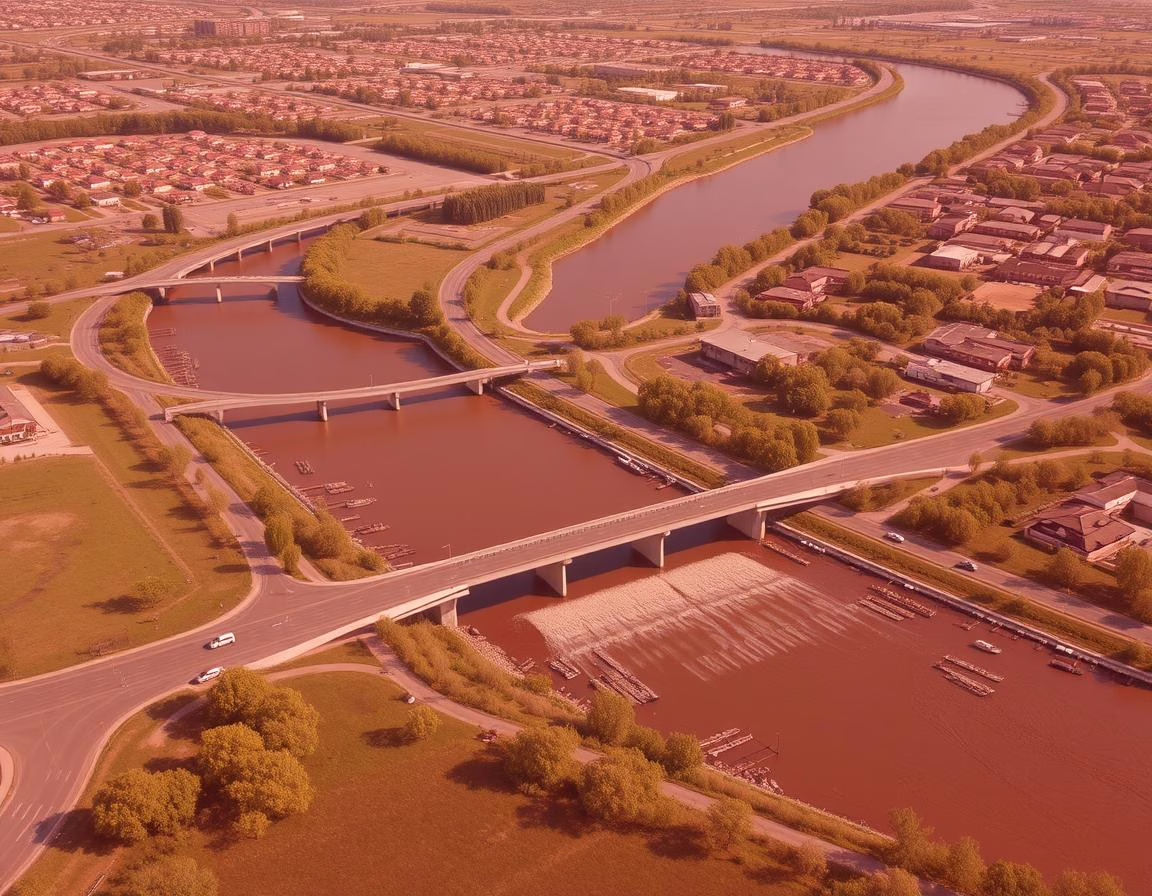
Larkspur Capital’s Vice President, Schafer Smartt, expressed enthusiasm for the project, highlighting the unique blend of an innovative office environment and meticulously crafted residences that will bring a distinctive allure to Fort Worth. Envisioned as more than just a development, Westside Village aims to harmonize the city’s rich heritage with contemporary design elements and luxurious amenities. The completed project will boast 880K SF of office space, 238K SF of retail offerings, 1,785 residential units, and an exclusive boutique hotel, promising a vibrant and dynamic urban environment.
Leading the leasing endeavors for the office building within Westside Village is HPI, strategically situated at the intersection of University Drive and White Settlement Road. Colt McCoy from HPI emphasized the project’s role in bridging Fort Worth’s past with future-oriented design concepts, signaling a new era of growth for the city. The residential component of the development will feature a diverse mix of studio, one-, and two-bedroom apartments, catering to varying lifestyle preferences and demographics.
The architectural vision for the office building is entrusted to the Michael Hsu Office of Architecture, with Corgan serving as the architect of record. For the residential structure, Corgan assumes the role of the full-service architect, ensuring a cohesive and aesthetically pleasing integration of design elements. As the project progresses, meticulous attention to detail in both functional and aesthetic aspects will be crucial to realizing the developers’ vision for a sophisticated and dynamic urban hub.
In parallel to the Westside Village initiative, other significant developments are shaping the real estate landscape in the region. Ascent Investment Partners’ acquisition of a strategic industrial site near McKinney National Airport underscores the growing interest in key locations for commercial ventures. Similarly, Westwood Financial’s purchase of the retail center in Rockwall signifies continued investment in retail infrastructure, reflecting confidence in the market’s potential for growth and expansion.
The emphasis on sustainable practices and energy efficiency is evident in projects like the Independence Medical Center in Plano, where innovative renovations will enhance operational efficiency and reduce utility costs over the long term. By incorporating modern technologies such as solar panels and efficient HVAC systems, commercial properties can achieve substantial savings while minimizing their environmental footprint, aligning with broader sustainability goals and regulatory requirements.
Financing plays a pivotal role in realizing ambitious real estate projects, as demonstrated by JLL Capital Markets’ facilitation of construction financing for the 635 Exchange industrial development in Dallas. The successful collaboration between key stakeholders to secure financing underscores the importance of strategic partnerships and financial acumen in navigating complex real estate ventures. With meticulous planning and prudent financial management, developers can mitigate risks and ensure the timely completion of projects within budgetary constraints.
As the real estate landscape evolves, talent acquisition and strategic leadership appointments are essential for driving growth and innovation. Younger Partners’ promotion of Andrew Boster and SRS Real Estate Partners’ addition of Ryan Byrne underscore the emphasis on cultivating industry expertise and expanding market reach. Effective leadership and a robust talent pipeline are instrumental in navigating the dynamic and competitive real estate sector, enabling firms to capitalize on emerging opportunities and sustain long-term success.
In conclusion, the $1.7B Trinity River project and other significant developments in the region signal a transformative phase in Fort Worth’s real estate sector, characterized by innovation, sustainability, and strategic growth initiatives. By leveraging architectural excellence, sustainable practices, strategic partnerships, and talent development, stakeholders can unlock the full potential of these projects and contribute to the city’s economic vitality and urban vibrancy. The convergence of visionary design, financial prudence, and operational excellence will be critical in ensuring the successful execution and long-term sustainability of these ambitious real estate endeavors.
Takeaways:
– The Westside Village project heralds a new era of urban development in Fort Worth, blending heritage with modern design.
– Sustainable practices and energy-efficient renovations are key drivers of long-term cost savings and environmental responsibility in commercial real estate.
– Strategic financing partnerships and talent development initiatives are essential for navigating complex real estate projects and driving growth in the sector.
Read more on bisnow.com



