
In the heart of Cameroon, a quiet revolution is taking place in the cocoa industry. This revolution isn’t just about producing chocolate; it’s about redefining the way we think about supply chains, sustainability, and the future of agriculture. At the forefront of this movement are innovative green supply chain practices that are not only benefiting the environment but also improving the performance and livelihoods of cocoa farmers in the region.
The Journey of Cocoa: From Farm to Bar
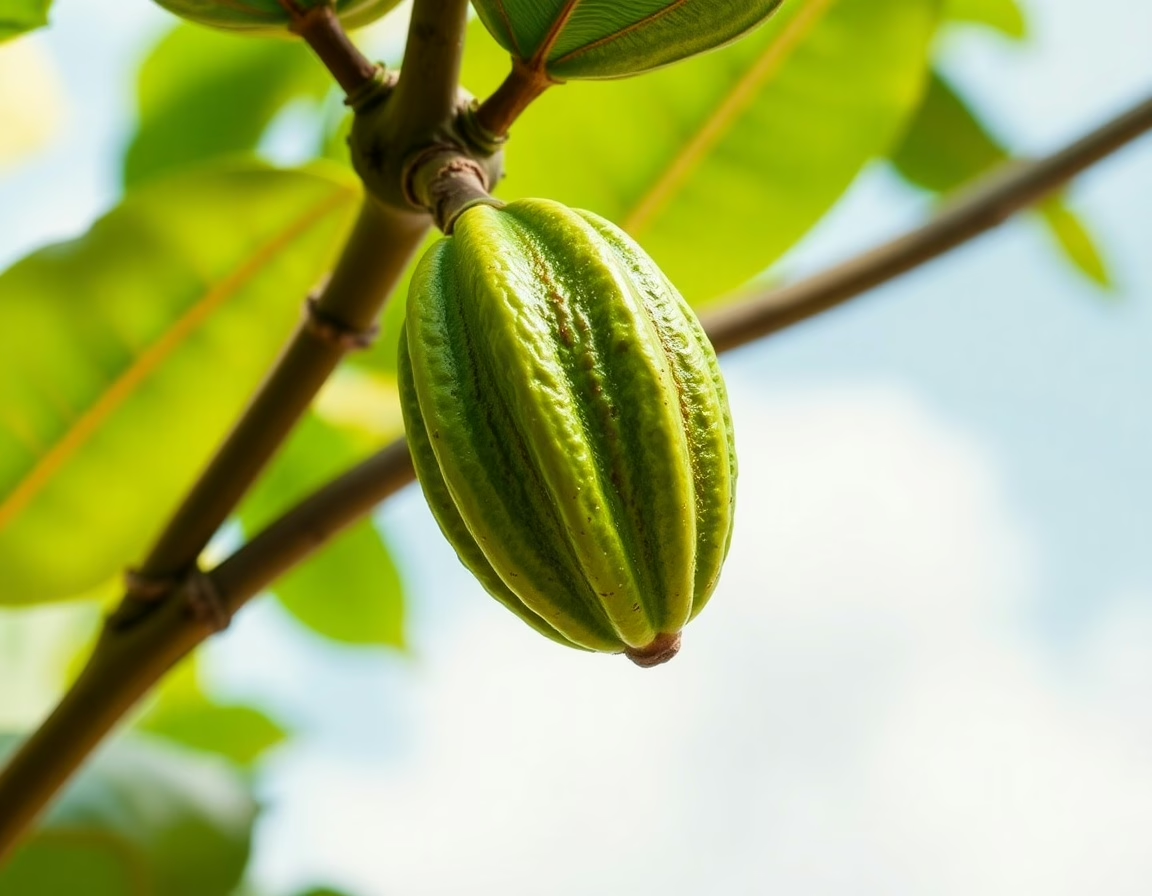
Before we delve into the impact of green supply chain practices, let’s first understand the journey of cocoa from farm to bar. In Cameroon, like in many cocoa-producing countries, the process begins on small family-owned farms where cocoa trees are meticulously tended to by farmers. The ripe cocoa pods are harvested, and the beans inside are extracted, fermented, dried, and eventually sold to cooperatives or middlemen.
Challenges in Traditional Cocoa Supply Chains
Traditional cocoa supply chains are often plagued by inefficiencies, lack of transparency, and environmental degradation. Farmers, who are already facing the challenges of climate change and fluctuating market prices, find themselves caught in a cycle of poverty. The use of agrochemicals and unsustainable farming practices further exacerbate the environmental impact of cocoa production.
The Rise of Green Supply Chain Practices
In recent years, there has been a growing awareness of the need to adopt more sustainable practices in cocoa production. Green supply chain practices focus on reducing waste, emissions, and ecological footprint while ensuring fair compensation for farmers. In Cameroon, initiatives such as agroforestry, organic farming, and direct trade relationships have gained traction, offering a more environmentally friendly and socially responsible alternative to traditional methods.
Agroforestry: Cultivating a Sustainable Future
One of the key pillars of green supply chain practices in Cameroon is agroforestry, a farming technique that integrates trees and shrubs into the cocoa plantation. This not only provides shade for the delicate cocoa trees but also promotes biodiversity, prevents soil erosion, and sequesters carbon. By mimicking the natural ecosystem, agroforestry not only improves soil health and water retention but also enhances the resilience of cocoa farms to climate change.
Organic Farming: Purity in Every Bean
Another important aspect of green supply chain practices is the adoption of organic farming methods. By eliminating the use of synthetic pesticides and fertilizers, organic cocoa production helps protect the environment, wildlife, and farmers’ health. Organic cocoa beans are not only of higher quality but also command a premium price in the global market, providing an economic incentive for farmers to transition to more sustainable practices.
Direct Trade Relationships: Empowering Farmers
In the traditional cocoa supply chain, farmers often have little control over the prices of their produce and are subject to the fluctuations of the global market. Direct trade relationships, on the other hand, empower farmers by establishing direct partnerships between producers and buyers. This not only ensures fair prices for farmers but also fosters transparency, trust, and long-term sustainability in the supply chain.
Measuring the Impact: Performance Metrics and Sustainability
The adoption of green supply chain practices in Cameroon is not just about environmental conservation; it’s also about improving the overall performance and resilience of cocoa production. By implementing performance metrics such as yield per hectare, carbon footprint, water usage, and farmer income, stakeholders can track the impact of sustainable practices and make data-driven decisions to enhance sustainability and profitability in the long run.
The Future of Sustainable Cocoa Production
As the world becomes increasingly aware of the social and environmental impact of food production, the demand for sustainable cocoa is on the rise. Consumers are seeking products that are not only delicious but also ethically sourced and environmentally friendly. By embracing green supply chain practices, Cameroon is not only safeguarding its natural resources but also securing a brighter future for its cocoa industry and the communities that depend on it.
In conclusion, the transition to green supply chain practices in Cameroon’s cocoa production is a testament to the power of sustainability and innovation in transforming industries. By incorporating agroforestry, organic farming, and direct trade relationships, stakeholders are not only mitigating the environmental impact of cocoa production but also improving the livelihoods of farmers and the quality of the final product. This sustainable cocoa revolution serves as a beacon of hope for the future of agriculture, demonstrating that by working together, we can create a more resilient, equitable, and prosperous food system for generations to come.
Key Takeaways:
– Agroforestry and organic farming are key pillars of green supply chain practices in sustainable cocoa production.
– Direct trade relationships empower farmers by ensuring fair prices and fostering transparency in the supply chain.
– Performance metrics such as yield, carbon footprint, and farmer income are essential for measuring the impact of sustainable practices and enhancing long-term sustainability.



