
Psychedelic substances such as psilocybin and MDMA are gaining recognition for their profound effects on mental health, particularly in treating post-traumatic stress disorder (PTSD). Recent research highlights a critical aspect of their therapeutic potential: the ability to remodel myelin, the protective sheath surrounding nerve fibers. This groundbreaking discovery reveals how these substances contribute not only to neuronal rewiring but also to the physical restoration of myelin, which could be vital for long-term recovery from PTSD.
Understanding PTSD and Brain Function
PTSD is characterized by deeply embedded traumatic memories and disrupted neural coordination. Individuals with this condition often experience a hyperactive fear response and difficulty processing emotions. Research has shown that psychedelic drugs can induce a significant reconfiguration of brain networks, enabling a more harmonious interaction among different regions. However, the underlying mechanisms driving these changes have remained elusive.
The Impact of Myelin on Neural Communication
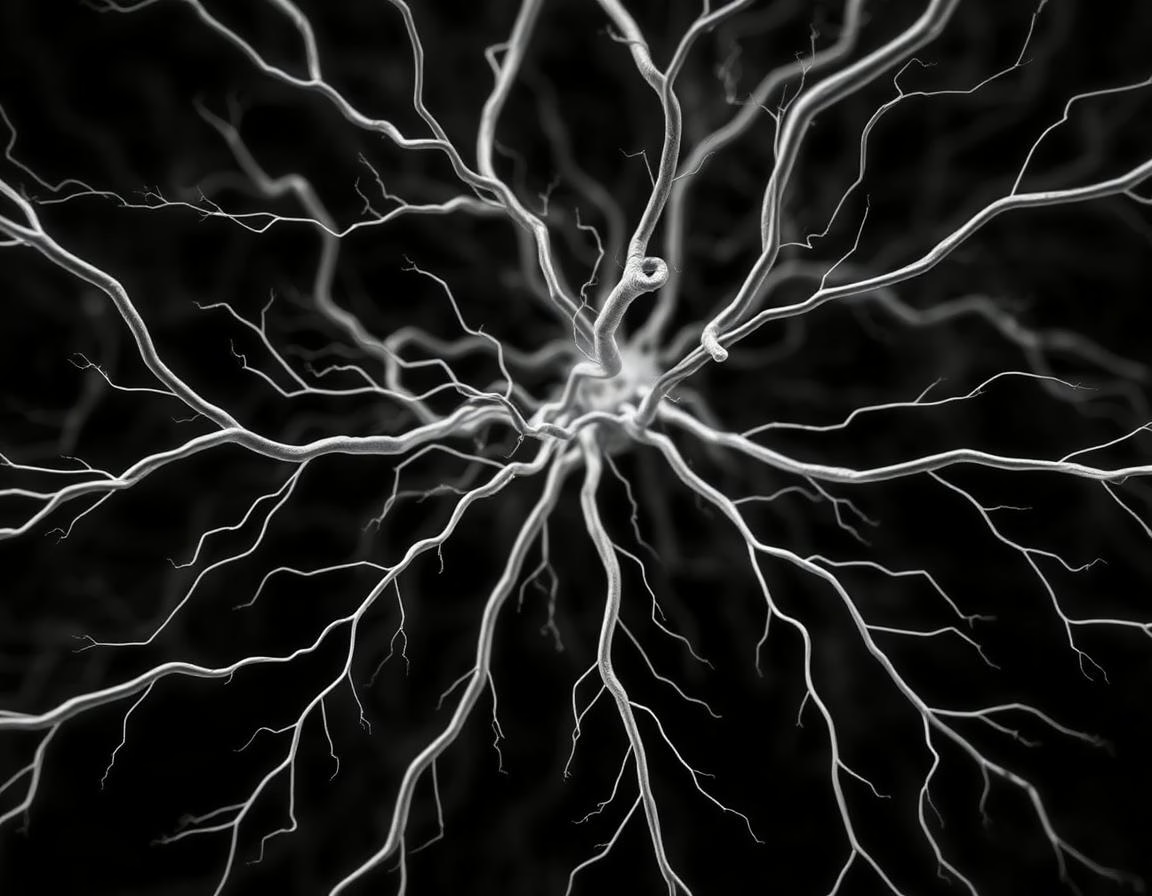
Myelin plays an essential role in ensuring efficient communication between neurons. This insulation allows electrical impulses to travel swiftly and accurately, contributing to well-coordinated brain activity. When trauma occurs, myelin integrity can be compromised, resulting in slower signal transmission and miscommunication across neural circuits. The recent study suggests that psychedelics can facilitate the repair of myelin, thereby restoring effective communication among neurons.
The Study: Psychedelics and Myelin Remodeling
Researchers conducted experiments using a rat model of fear conditioning, administering low doses of psilocybin and MDMA. They assessed various behavioral changes, particularly anxiety levels and memory performance. The results demonstrated a significant reduction in anxiety-like behaviors post-treatment, accompanied by observable changes in oligodendrocyte biology—the cells responsible for myelin production.
The study’s findings indicate that both psilocybin and MDMA promote myelin remodeling, linking the drugs’ effects to enhanced therapeutic outcomes for PTSD. This marks a shift in understanding the role of oligodendrocytes, moving them from passive observers to active participants in the neurobiological processes involved in recovery.
Mechanisms of Action: Cellular Insights
Lead investigator Mehmet Bostancıklıoğlu and his team explored how myelin integrity relates to behavioral changes. They employed models to either damage or enhance myelin and found that structural repair is crucial for achieving therapeutic benefits. When myelin was compromised, the positive effects of the drugs diminished, indicating that myelin integrity is essential for recovery.
Furthermore, the study highlighted the involvement of serotonin receptors in mediating these effects. Blocking the 5-HT2A receptor, which is known to interact with psychedelics, nullified both the behavioral improvements and myelin remodeling, underscoring the intricate connection between receptor activity and myelin repair.
Implications for Therapeutic Strategies
The implications of these findings are significant. They suggest that enhancing myelination could be an effective strategy to bolster the therapeutic effects of psychedelic-assisted treatments. While these drugs are not a replacement for psychotherapy, they can facilitate the consolidation of healthier neural communication after the acute effects of the substances have worn off.
This research paves the way for new approaches to treating PTSD, emphasizing the potential of myelin as a target for enhancing neural plasticity. By focusing on the cellular mechanisms underlying recovery, future therapies could become more effective and lasting.
Conclusion
The study of psychedelics and their role in myelin remodeling reveals a promising avenue for treating PTSD. By understanding how these substances not only alter brain activity but also repair the physical structures that support neural communication, we may unlock new therapeutic strategies. As we continue to explore the intricacies of the brain, the intersection of psychedelics and neuroscience offers exciting possibilities for healing.
- Psychedelics can significantly remodel myelin, enhancing communication between neurons.
- The integrity of myelin is crucial for achieving sustainable therapeutic effects in PTSD treatments.
- Oligodendrocytes are essential players in the recovery process, moving beyond their traditional role.
- Combining psychedelics with psychotherapy may lead to more effective long-term recovery strategies.
- Future research could focus on myelin as a therapeutic target for improving mental health outcomes.
Read more → neurosciencenews.com



