
Recent research highlights the potential of antibiotics in managing inflammation and tissue damage following traumatic brain injuries (TBI). A brief course of antibiotics can effectively alter the gut microbiome, providing crucial support for brain recovery during the vulnerable post-injury period. This innovative study, published in Communications Biology, underscores the intricate relationship between gut health and neurological recovery.
The Impact of Traumatic Brain Injury
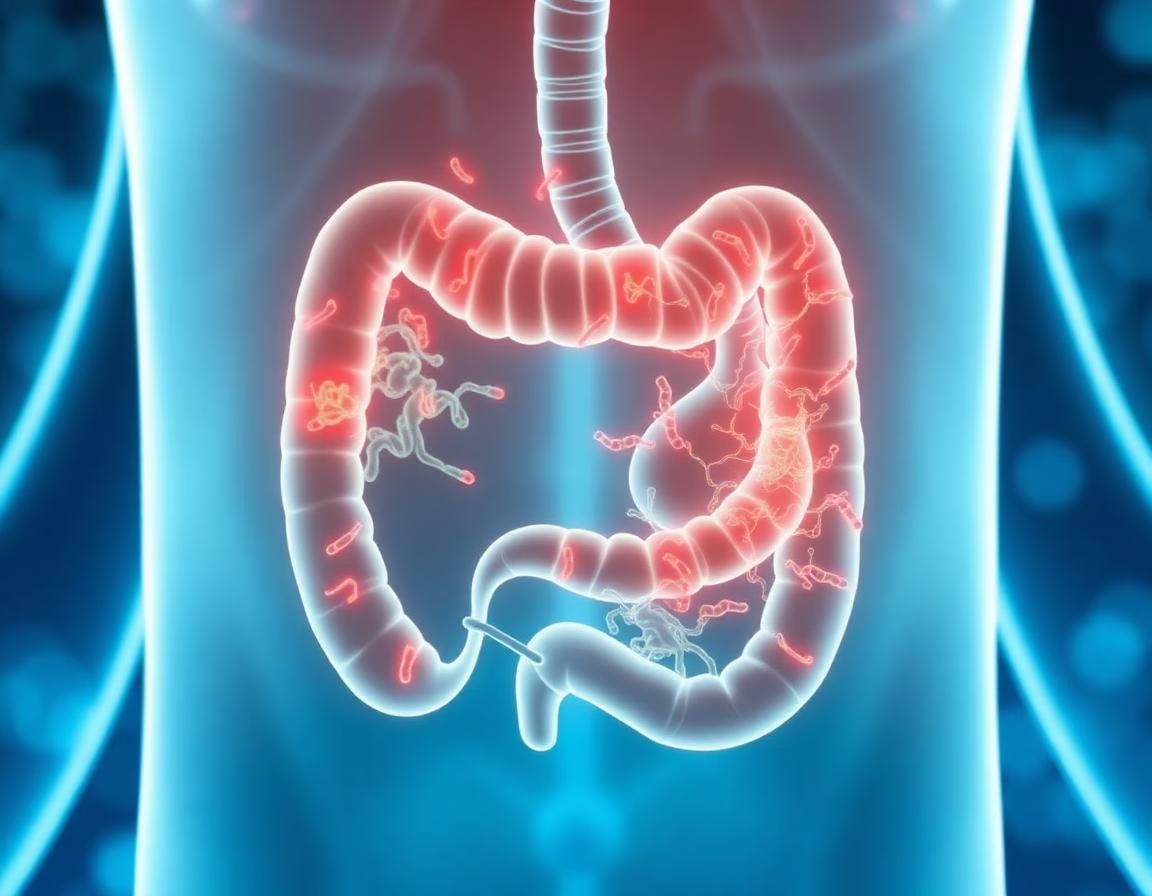
A traumatic brain injury sets off a complex immune response that extends beyond the brain. The initial physical trauma inflicts damage on brain cells, triggering localized inflammation. Concurrently, the injury disrupts the gut microbiome, the diverse community of microorganisms residing in the digestive system. This disruption has significant implications for overall health, as the gut and central nervous system communicate closely.
When TBI disturbs this communication pathway, it can lead to an exaggerated immune response. Such excessive inflammation can exacerbate brain damage, and repeated injuries may result in cumulative harm to delicate neural tissues. While antibiotics are commonly prescribed to prevent infections in TBI patients, their specific influence on neurological recovery has remained largely unexplored.
Investigating the Gut-Brain Connection
The research team, led by Hannah Flinn and Sonia Villapol at the Houston Methodist Research Institute, aimed to uncover how changes in gut bacteria influence the brain’s healing process. They designed experiments to assess whether imbalances in gut microbiota affect the body’s response to traumatic events. Additionally, they sought to determine if altering the gut microbiome could mitigate long-term brain damage.
Using male laboratory mice, the researchers studied the effects of both single and repeated controlled brain injuries. Some mice received a three-day course of broad-spectrum antibiotics, while others served as controls with regular water. Afterward, the team measured brain damage and analyzed immune cell activity in the affected areas.
Findings on Antibiotic Treatment
The results were striking. Mice treated with antibiotics exhibited reduced brain damage and lower levels of dead cells compared to untreated counterparts. This suggests that antibiotic treatment calmed the immune response, helping to prevent further deterioration of brain health. In contrast, untreated mice showed a surge of activated immune cells, indicating a more severe inflammatory response.
Interestingly, while the antibiotic treatment diminished levels of beneficial short-chain fatty acids typically produced by healthy gut bacteria, the treated mice still experienced reduced brain inflammation. This unexpected outcome prompted further investigation into which bacterial strains survived the antibiotic treatment.
Surviving Bacteria and Their Role
DNA sequencing revealed that two specific bacteria, Parasutterella excrementihominis and Lactobacillus johnsonii, persisted despite the antibiotic regimen. The researchers hypothesized that these bacteria might play a role in moderating the immune system, providing a protective effect for the brain during recovery.
Villapol emphasized the significance of these findings, stating that the study supports a mechanism where changes in the gut microbiome influence peripheral immunity and neuroinflammation post-TBI.
The Consequences of a Sterile Gut
To assess the importance of having a gut microbiome, the team conducted additional tests with mice raised in sterile environments. These mice, devoid of any gut bacteria, suffered from severe neurological impairment after TBI. Their brain lesions and inflammation were markedly worse than those observed in normally colonized mice, reinforcing the idea that a healthy microbial community is essential for immunological balance and recovery.
Balancing Benefits and Costs
While the study demonstrates the protective benefits of altering the gut microbiome, it also highlights the physical toll on the digestive system. Microscopic examination revealed that the intestinal lining of antibiotic-treated mice became disorganized and less effective in producing protective mucus. This suggests that while the brain benefits from the microbial shift, the gut may experience stress as a consequence.
Villapol noted that the communication between the brain and gut can become disrupted following injury. An imbalanced gut can hinder the brain’s recovery process, indicating the need for a balanced approach in treating TBI.
Exploring Future Directions
Despite promising results, the research has limitations. The experiments focused exclusively on male mice, leaving open questions about how female subjects may respond differently due to hormonal and immune system variations. Additionally, the study only monitored short-term outcomes after injury, necessitating further long-term investigations to understand the durability of these effects.
Researchers caution against the indiscriminate prescription of broad-spectrum antibiotics for TBI, as this could lead to unintended consequences, such as the development of antibiotic-resistant bacteria and gastrointestinal complications. The goal is not to eradicate the gut microbiome but to identify specific mechanisms that confer protective benefits.
Potential for Targeted Therapies
Moving forward, the team plans to investigate the two bacterial strains that survived the antibiotic treatment. By bioengineering Parasutterella excrementihominis and Lactobacillus johnsonii, scientists hope to develop targeted therapies that can safely treat TBI without the risks associated with broad-spectrum antibiotics. This precision approach aims to mitigate inflammation and promote recovery while preserving the integrity of the gut microbiome.
In conclusion, the interplay between gut bacteria and brain health after traumatic injury presents an exciting frontier in neuroscience. By focusing on the nuances of microbial communities, researchers may unlock new strategies to enhance recovery and prevent long-term cognitive decline. The potential for tailored probiotic therapies could revolutionize how we approach brain health in the wake of injury.
- Antibiotics can alter gut bacteria, aiding recovery from traumatic brain injuries.
- Surviving bacteria may play a protective role in reducing neuroinflammation.
- A healthy gut microbiome is crucial for optimal immune response and brain health.
- Future research will focus on developing targeted therapies using beneficial bacteria.
- Understanding gut-brain interactions can pave the way for innovative treatments for TBI.
Read more → www.psypost.org



