
Recent research reveals that pro-inflammatory M1 macrophages play a significant role in advancing melanoma progression through extracellular vesicles. This study, conducted at the University of Eastern Finland, provides new insights into how these vesicles contribute to cancer cell behavior, shedding light on potential therapeutic targets.
Understanding Extracellular Vesicles
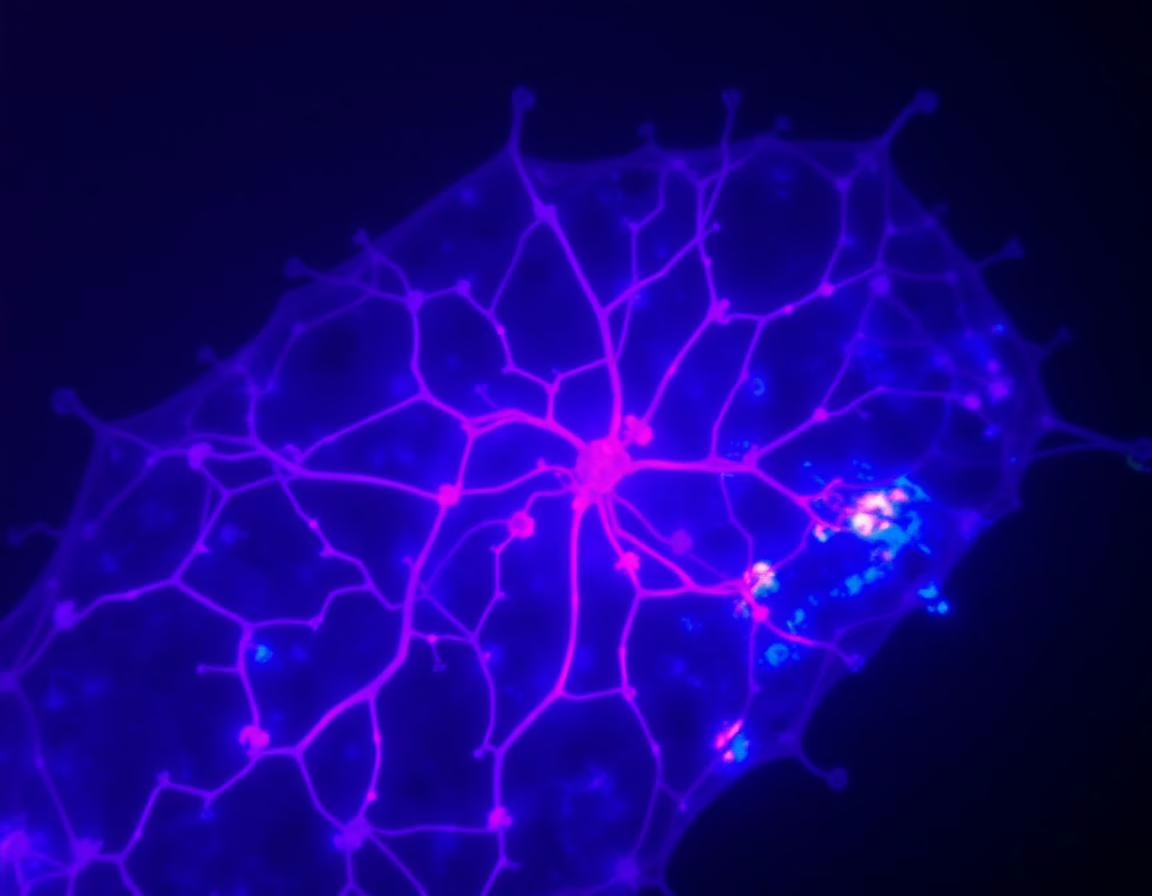
Extracellular vesicles (EVs) are tiny membrane-bound particles released by cells, facilitating communication between them. While all cell types produce EVs, their impact is particularly pronounced in the tumor microenvironment. These vesicles contain various molecular signals that influence the behavior of neighboring cells, especially in the context of cancer.
The Impact of M1 Macrophages
Macrophages are key players in the immune response, and their presence within tumors often correlates with poor patient outcomes. Specifically, M1 macrophages, known for their pro-inflammatory properties, secrete EVs that contain inflammatory mediators such as cytokines TNFα and IL-1β. This study highlights how these inflammatory signals are transferred to melanoma cells via EVs, thereby altering their behavior.
Activation of the NF-κB Pathway
One of the critical findings of the research is the activation of the NF-κB signaling pathway in cancer cells upon receiving signals from M1 macrophage-derived EVs. The NF-κB pathway plays a pivotal role in regulating inflammation and cell survival. When activated by these signals, it enhances the aggressive and invasive capabilities of melanoma cells, allowing them to infiltrate surrounding tissues more effectively.
The Tumor Microenvironment Dynamics
The interaction between tumor cells and macrophages forms a complex network within the tumor microenvironment. This study emphasizes the importance of understanding these interactions, as they are crucial for identifying novel cancer therapies. The continuous dialogue between macrophages and cancer cells can create a self-sustaining inflammatory cycle that promotes tumor growth.
Melanoma Cell Motility and Progression
The research demonstrates that EVs from M1 macrophages significantly increase the motility of melanoma cells. This enhanced movement contributes to the overall progression of melanoma, thereby underscoring the role of inflammatory signals in cancer advancement. The findings suggest that disrupting these signals could potentially hinder tumor growth.
Therapeutic Implications
Discovering the mechanisms by which macrophages and cancer cells communicate opens new avenues for cancer treatment. Targeting the inflammatory cycle fueled by macrophage-derived EVs may offer a strategy to reduce melanoma cell aggressiveness and invasiveness. This approach could lead to the development of therapies that effectively disrupt the tumor-promoting environment.
Conclusion
The interplay between M1 macrophages and melanoma cells through extracellular vesicles highlights a critical mechanism in cancer progression. By unraveling these complex interactions, researchers can identify promising therapeutic targets that may ultimately lead to more effective treatments for melanoma and potentially other cancers. Understanding and manipulating these pathways could transform the landscape of cancer therapy, offering hope for improved patient outcomes.
- Key Takeaways:
- M1 macrophages secrete extracellular vesicles that influence melanoma cell behavior.
- Inflammatory mediators in these vesicles activate the NF-κB signaling pathway in cancer cells.
- Enhanced motility of melanoma cells linked to EVs contributes to tumor progression.
- Understanding macrophage-cancer cell interactions may lead to novel therapeutic strategies.
- Disrupting the inflammatory cycle could present opportunities for effective cancer treatment.
Read more → www.news-medical.net



