
Young people in China are increasingly looking towards artificial intelligence (AI) as a source of mental health support amidst a deepening crisis. Experts in psychology warn that the emotional wellbeing of this demographic is in jeopardy, as highlighted by Olive Woo and Yuk Ming Tang in their work “DeepSeek and Mental Health Support Among Chinese Youth.”
The Weight of Expectations
Chinese youth bear immense pressure as they navigate the complexities of modern society. Being often the only child in their family, they are expected to meet high expectations—from excelling academically to securing promising jobs in an increasingly competitive labor market. The struggle to meet these demands can lead to significant emotional distress.
Compounding this pressure is the pervasive influence of social media, where young individuals face constant comparisons with their peers, fueling a fear of missing out. As a result, mental health issues are frequently viewed as personal failures, further deterring young people from seeking professional help due to the stigma attached to mental illness.
The Silent Crisis
The statistics surrounding mental health among Chinese youth are alarming. Suicide ranks among the leading causes of death for individuals aged 15 to 24, and approximately 20% of teenagers in China exhibit symptoms of depression. Disturbingly, many of these young individuals do not receive the necessary support.
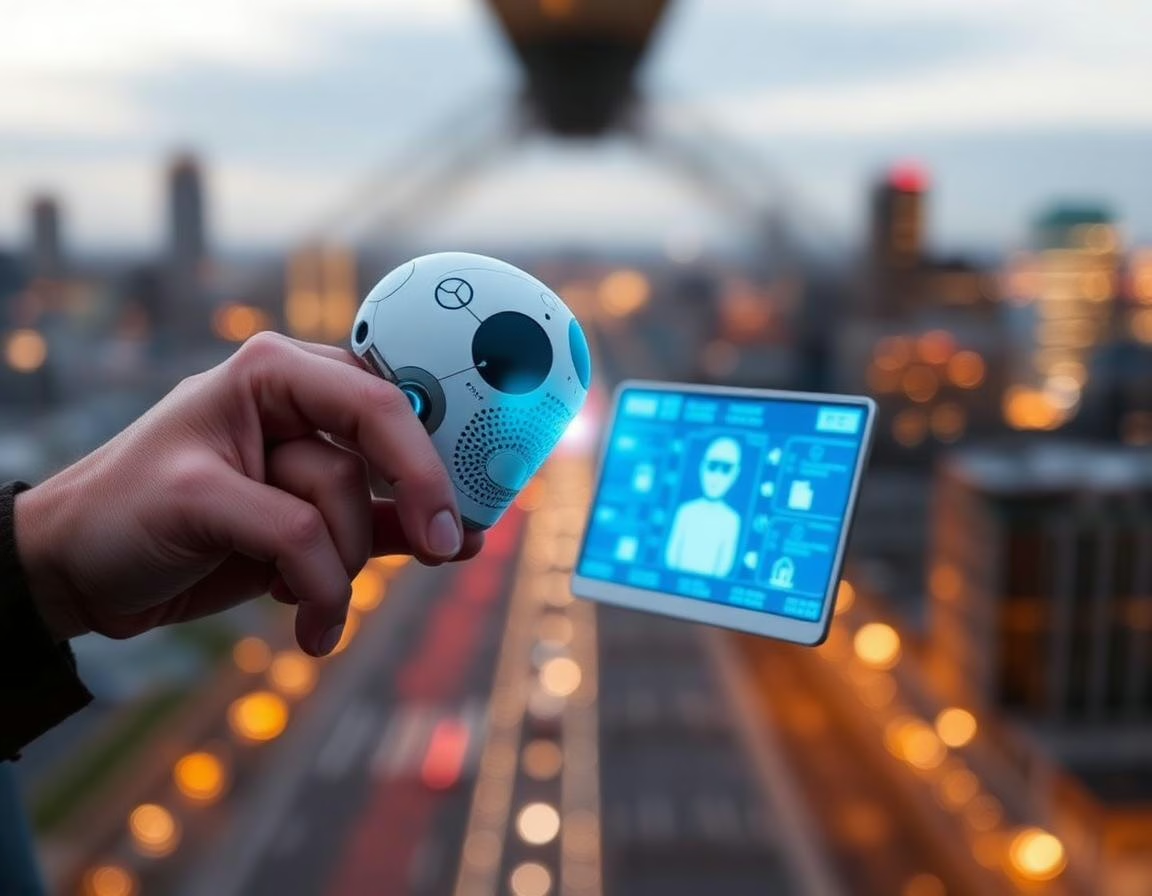
In this context, AI platforms such as DeepSeek are emerging as essential resources. They provide accessible, judgment-free mental health support tailored to the unique cultural dynamics of Chinese society. These platforms operate around the clock, offering a means of connection for those who may feel isolated or unable to reach out to a therapist.
Bridging the Accessibility Gap
AI technology is particularly beneficial in reaching remote or economically disadvantaged areas where mental health professionals are scarce. In China, the ratio of psychiatrists is notably low, with approximately two practitioners for every 100,000 people, compared to about 17 per 100,000 in the European Union. This disparity highlights the urgent need for alternative avenues for mental health support.
However, experts like Woo and Tang urge caution regarding over-reliance on AI. While these systems can provide valuable assistance, they lack the nuanced empathy and emotional intelligence essential for effective mental health care. In some cases, they may even dispense misleading advice that could exacerbate existing issues.
Interacting with Technology
Interestingly, some young users have begun to share methods online for utilizing AI as an ideal companion, such as a “perfect date” or a dream friend. This phenomenon indicates a deeper level of engagement with the technology and underscores the growing reliance on AI for emotional connection.
Woo emphasizes the importance of ethical implementation and global collaboration in harnessing AI for mental health support. While tools like DeepSeek present new opportunities for assistance, their effectiveness depends on responsible usage and oversight.
Enhancing Professional Practice
AI’s potential extends to assisting therapists in evaluating clinical data, providing insights that can enhance professional judgment. However, it is crucial to remember that AI cannot replace the nuanced understanding required in complex or high-risk situations. These systems may struggle with sarcasm or irony and could provide stereotypical or tactless responses.
The Chinese government has recognized the mental health challenges faced by youth and is increasingly promoting AI’s use in this context. The Ministry of Education has announced initiatives aimed at offering support, including AI-based tools.
Innovations in Monitoring Well-Being
For instance, reports indicate that a secondary school in Beijing plans to use pulse monitors to gather data on students’ health, analyzing it through AI to assess their emotional well-being. The objective is to identify students under considerable stress, allowing for timely intervention.
Woo articulates that addressing mental health is not solely about technology but fundamentally about people. Bridging the gap between need and access, AI can provide hope and healing, provided its implementation is approached with care and responsibility.
Conclusion
AI has the potential to significantly alter access to mental health support for Chinese youth, offering new avenues for addressing their emotional struggles. However, as we embrace this technology, it is vital to prioritize ethical considerations and ensure that human empathy remains at the forefront of mental health care. The future of emotional support may well hinge on a balanced integration of AI and compassionate, professional guidance.
- Key Takeaways:
- Chinese youth face significant mental health challenges due to societal pressures and stigma.
- AI platforms like DeepSeek offer accessible and non-judgmental support.
- Caution is necessary to avoid over-reliance on AI for emotional care.
- The government is beginning to recognize and address these mental health issues.
- Ethical implementation of AI is critical for effective mental health support.
Read more → www.yahoo.com



