
Chronic inflammation is increasingly recognized as a significant contributor to various health issues, particularly in the realm of oncology. Recent advancements in understanding the relationship between chronic gut inflammation and colon cancer have shed light on the complex mechanisms at play. Researchers have discovered that gut cells can retain a form of genetic memory after experiencing inflammation, which may predispose them to cancer development. This epigenetic memory involves changes in the epigenome, where modifications such as methylation and DNA structural alterations impact gene expression without altering the underlying genetic code.
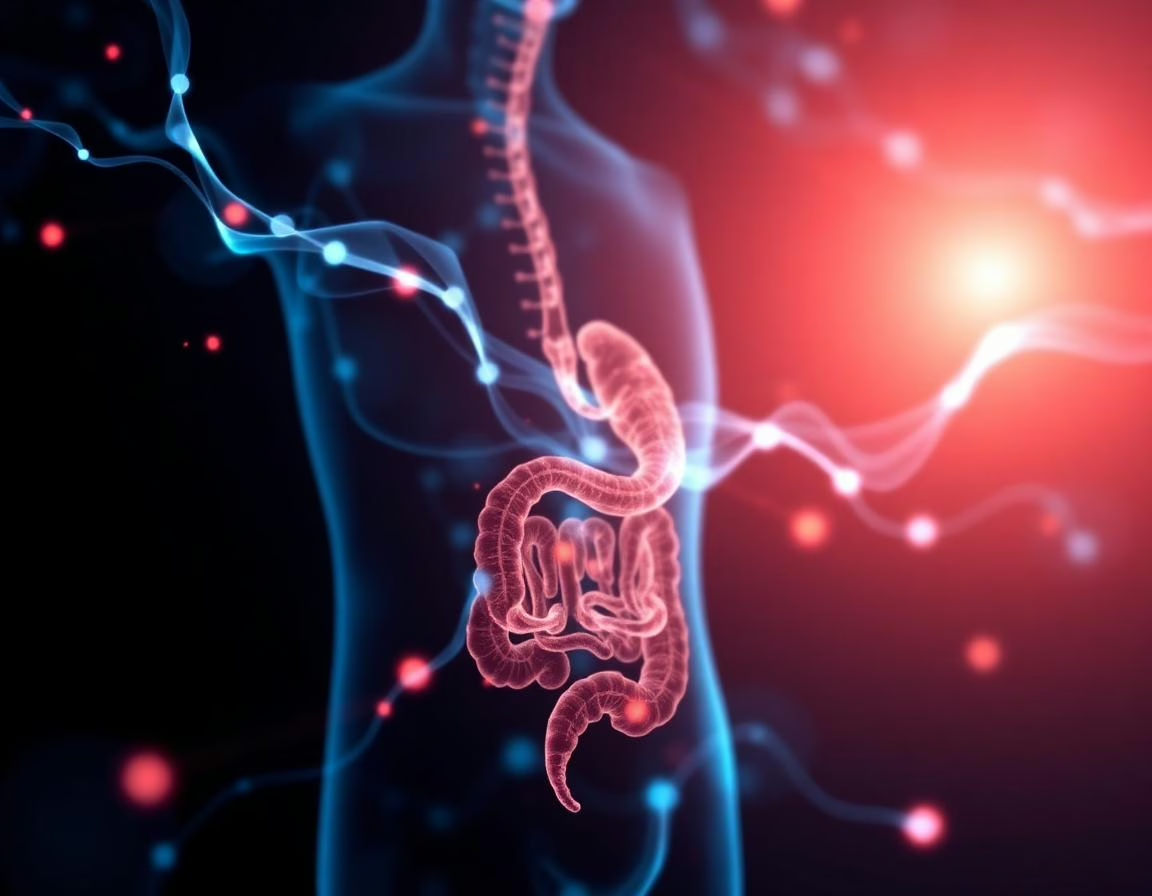
Mechanism of Epigenetic Memory
Utilizing a mouse model to simulate chronic gut inflammation, scientists examined the genetic expressions and epigenetic modifications that occur during and after inflammatory events. Their findings indicated that even after the inflammation subsided and the tissues appeared normal, specific cells retained an epigenetic memory. This memory manifested as certain genomic regions remaining accessible, suggesting an altered state of readiness for future gene expression.
Impact of Genetic Mutations
The research further explored the implications of introducing genetic mutations that are known to enhance cancer risk into these gut cells. The results were striking; cells with the previously established epigenetic changes from inflammation exhibited significantly larger tumor growths when a cancer-promoting mutation was later introduced. This suggests that the epigenetic alterations induced by inflammation create a conducive environment for malignant transformations, thereby accelerating cancer progression.
The Role of Cancer-Promoting Genes
The study identified clusters of genes associated with cancer promotion that were activated by the epigenetic changes resulting from inflammation. This linkage emphasizes the role of epigenetics as a critical component in the transition from inflammation to cancer. Researchers concluded that chronic inflammation can instigate epigenetic modifications that not only enhance cancer risk but also interact synergistically with subsequent mutations.
Insights from the Research Team
Senior study author Jason Buenrostro, a Harvard University professor, articulated the broader implications of these findings. He emphasized that the study exemplifies how environmental exposures and experiences can shape future health outcomes. While many individuals carry genetic mutations associated with cancer, not everyone develops the disease. The study highlights that the interaction between cell type and prior inflammatory experiences plays a pivotal role in determining disease outcomes.
Future Directions in Cancer Risk Assessment
The promising insights gleaned from this research lead to intriguing questions regarding the potential for diagnosing epigenetic changes associated with chronic inflammation. Identifying individuals at heightened risk for bowel cancers could revolutionize early detection and intervention strategies. As the research community continues to delve into these epigenetic mechanisms, the goal is to develop targeted therapies that could mitigate the risks associated with chronic inflammation.
Takeaways
- Chronic gut inflammation can lead to epigenetic changes that promote cancer development.
- Epigenetic memory allows gut cells to retain alterations that facilitate tumor growth even after inflammation subsides.
-
Genetic mutations, when combined with epigenetic changes from inflammation, significantly increase cancer risk.
-
The study underscores the importance of environmental factors in influencing genetic predispositions to disease.
-
Future research aims to leverage these findings for cancer risk assessment and treatment development.
In summary, the interplay between gut inflammation and epigenetic changes presents a novel perspective on cancer development. As researchers continue to explore these connections, the potential for improved diagnostic and therapeutic strategies becomes increasingly promising. Understanding how inflammation influences the epigenome could pave the way for innovative approaches to cancer prevention and treatment.
Read more → www.labroots.com



