
Are you a soccer enthusiast who loves heading the ball on the field? Well, you might want to pay attention to this groundbreaking research that links soccer heading to microstructural brain injuries and lower cognitive performance. A recent study published in Neurology reveals some alarming findings that all soccer players, especially those who frequently engage in heading, need to be aware of.
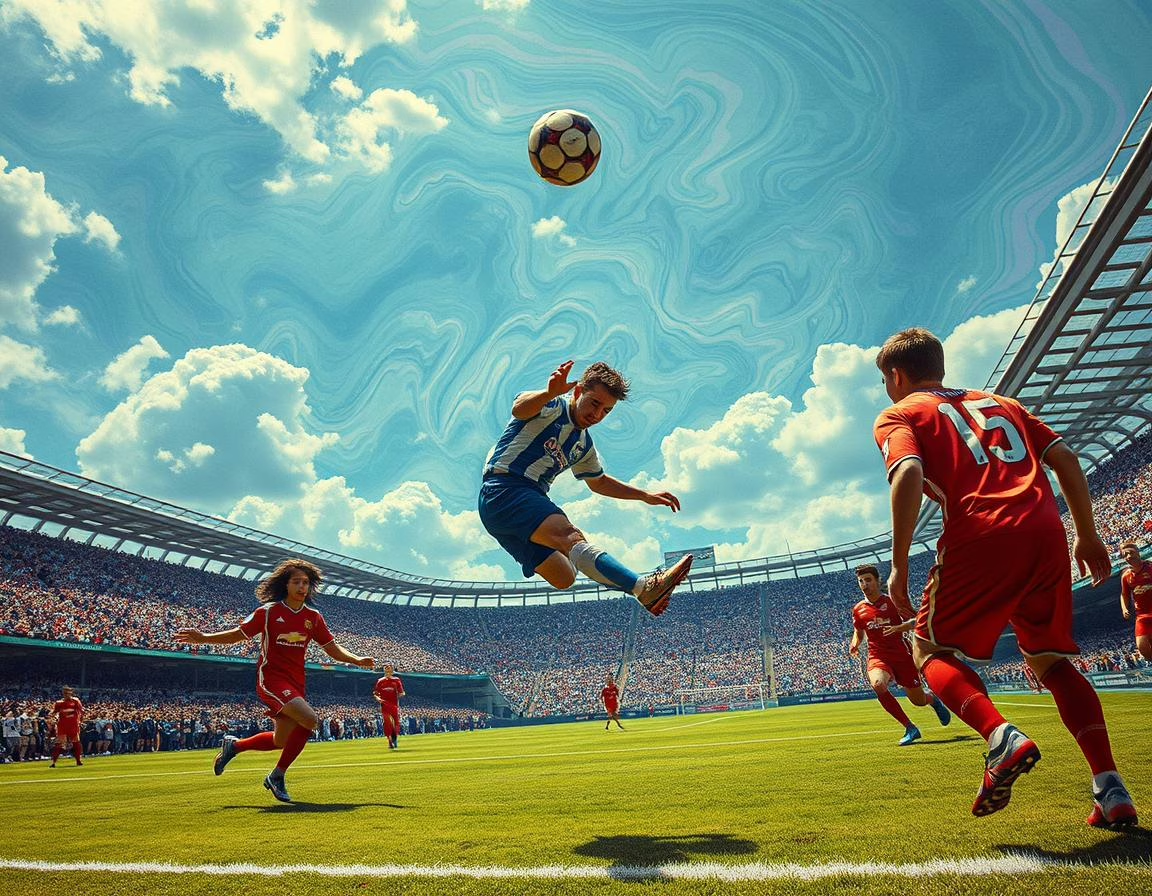
Microstructural Damage and Cognitive Impact
The study, led by Dr. Michael L. Lipton from Columbia University Irving Medical Center, examined the brains of 352 active adult amateur soccer players and 77 controls. The results showed that soccer players with a history of repetitive head injuries from heading the ball exhibited significant microstructural disruption in their juxtacortical white matter at sulci depths. This damage was associated with poorer performance in verbal learning and memory tests.
Significant Findings
– Fractional anisotropy (FA) values were lower in soccer players compared to controls, with the most pronounced differences observed in the depths of sulci regions.
– Soccer players also had higher orientation dispersion index (ODI) in these regions, indicating increased microstructural disruption.
– Associations between repetitive head injuries and lower FA, as well as higher ODI, were particularly strong in the sulci depths.
Implications for Brain Health
The study highlights the potential long-term consequences of heading in soccer. The researchers found that the frontal lobe, specifically the depths of cerebral sulci, showed the most significant microstructural damage. While these athletes did not have Chronic Traumatic Encephalopathy (CTE), the similarities in brain injury distribution are concerning.
Mechanistic Role of Imaging Abnormalities
Dr. Lipton emphasized the importance of this study in establishing a mechanistic link between heading, brain imaging abnormalities, and cognitive effects. The findings suggest that microstructural disruption in specific brain regions may serve as a biomarker for brain injury related to repetitive head injuries.
Clinical Implications and Future Research
The implications of this research are far-reaching. By understanding the mechanisms of injury associated with heading, clinicians can develop targeted strategies for early detection and intervention. Future studies are needed to validate these findings and explore the clinical relevance of identifying preclinical brain changes in at-risk individuals.
Key Takeaways
1. Soccer heading can lead to microstructural brain injuries and lower cognitive performance.
2. Repetitive head injuries are associated with significant changes in brain microstructure, particularly in the depths of sulci regions.
3. Understanding the long-term consequences of heading is crucial for developing strategies to mitigate the risks associated with this common soccer practice.
Additional Thoughts
As we delve deeper into the impact of sports-related head injuries on brain health, it becomes evident that proactive measures are essential to safeguard athletes’ cognitive well-being. By bridging the gap between research findings and clinical applications, we pave the way for a safer sporting environment where brain health is prioritized alongside physical performance. Let’s continue exploring innovative solutions to protect the brains behind the game.
Tags: sports
Read more on healio.com



