
Pharmaceutical vials, the unsung heroes of drug storage and delivery, are set to undergo a significant transformation in the coming years. With the global pharmaceutical industry expanding at a rapid pace, the demand for safe and reliable packaging solutions is higher than ever. Valued at USD 13.9 billion in 2025, the pharmaceutical vials market is projected to reach USD 27.6 billion by 2035, showcasing a compound annual growth rate (CAGR) of 7.1%. Let’s delve into the key factors driving this growth, the materials shaping the market, and the future innovations that will redefine the landscape of pharmaceutical packaging.
The Rising Demand for Pharmaceutical Vials
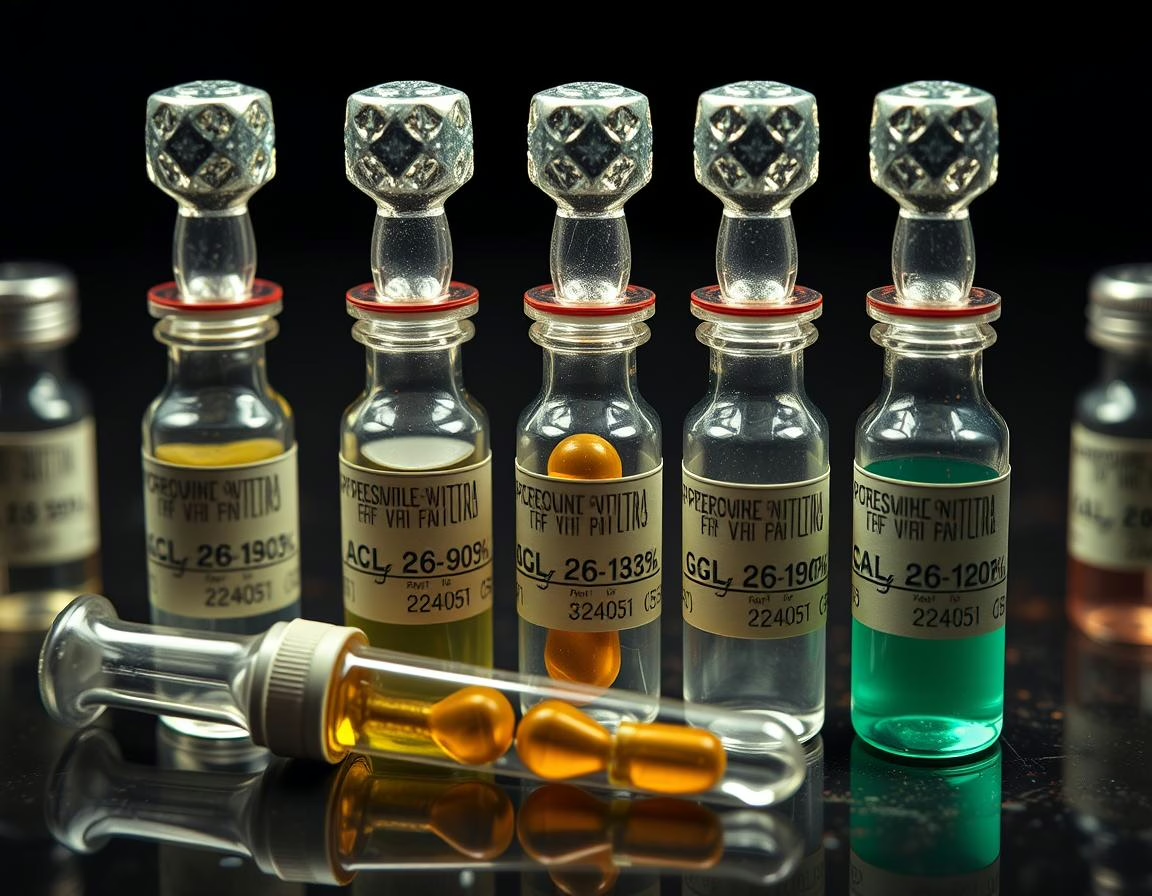
The pharmaceutical vials market is experiencing robust growth due to the increasing need for secure packaging solutions driven by the expansion of the pharmaceutical industry worldwide. With the surge in new drug approvals and vaccine production, the demand for primary packaging that ensures drug stability and prevents contamination is at an all-time high. Pharmaceutical vials, whether made of glass or high-quality polymers, are the preferred choice for injectable drugs owing to their superior barrier properties.
Fueling Factors: Pharmaceutical Production and Biologics
One of the primary drivers of the market is the growing pharmaceutical and biotechnology sector. The emphasis on research and development in biologics and specialty medicines necessitates packaging solutions that maintain drug integrity. The rise in monoclonal antibodies and the global focus on immunization programs have further propelled the demand for pharmaceutical vials. Additionally, the trend towards personalized medicine is creating a need for smaller volume vials tailored for specialized treatments.
Material Innovations: Glass vs. Plastic
While glass vials have been the traditional choice due to their chemical resistance and compatibility with formulations, plastic vials made from cyclic olefin polymers (COP) and cyclic olefin copolymers (COC) are gaining momentum. These plastic vials offer advantages such as breakage resistance, lightweight handling, and design flexibility. Manufacturers are investing in advanced coatings and treatment technologies to enhance durability and reduce the risk of drug-vial interactions.
Technological Advancements in Manufacturing
Innovations in vial production, including sterile ready-to-fill vials and advanced barrier-coated glass vials, are revolutionizing the market. These technologies help pharmaceutical companies minimize contamination risks and accelerate drug development timelines. Automation and high-precision manufacturing processes are improving scalability while ensuring compliance with rigorous international standards.
Regional Dynamics: Asia-Pacific’s Ascendancy
While North America and Europe remain key markets, Asia-Pacific is emerging as the fastest-growing region in the pharmaceutical vials sector. Countries like India and China are witnessing a rapid expansion in pharmaceutical manufacturing, supported by government initiatives to strengthen healthcare infrastructure. The Middle East and Africa are also experiencing steady growth as local production capacities expand.
Competitive Landscape and Sustainability
The pharmaceutical vials market is fiercely competitive, with established players expanding globally and new entrants focusing on technological innovations. Companies are prioritizing sustainable vial solutions, including eco-friendly materials and recyclable designs, to align with global sustainability goals. Strategic partnerships with pharmaceutical firms are helping key players deliver customized vial solutions tailored to evolving drug formulations.
Future Trends: Smart Packaging and Sustainability
The future of pharmaceutical vials lies in smart packaging technologies like RFID-enabled vials for enhanced tracking and anti-counterfeiting measures. Sustainability will remain a core focus, with a shift towards recyclable materials and greener production processes. As the demand for injectable therapies and biologics continues to rise globally, pharmaceutical vials will play a crucial role in ensuring the safety and efficacy of essential medications.
In conclusion, the pharmaceutical vials market is poised for significant growth and innovation in the coming years. With advancements in materials, manufacturing technologies, and a focus on sustainability, the landscape of pharmaceutical packaging is evolving rapidly to meet the demands of a dynamic industry.
Key Takeaways:
- The pharmaceutical vials market is projected to reach USD 27.6 billion by 2035, driven by the increasing demand for secure drug packaging solutions.
- Glass vials continue to dominate the market, but plastic vials made from advanced polymers are gaining traction due to their benefits.
- Asia-Pacific is emerging as a key growth region for pharmaceutical vials, supported by the rapid expansion of pharmaceutical manufacturing.
- Future trends in the market include smart packaging technologies and a focus on sustainability to meet global environmental goals.
Tags: vaccine production, pharmaceutical manufacturing, monoclonal antibodies, automation, regulatory
Read more on fmiblog.com



