
In the quest for sustainable alternatives to single-use plastic products, the humble turkey tail mushroom emerges as a promising eco-friendly solution. This fungus, scientifically known as Trametes versicolor, not only offers biodegradability and renewability but also showcases unique antimicrobial properties that can enhance food preservation. By delving into the multifaceted benefits and applications of turkey tail mushroom, we uncover a fascinating intersection of nature’s ingenuity and human innovation.
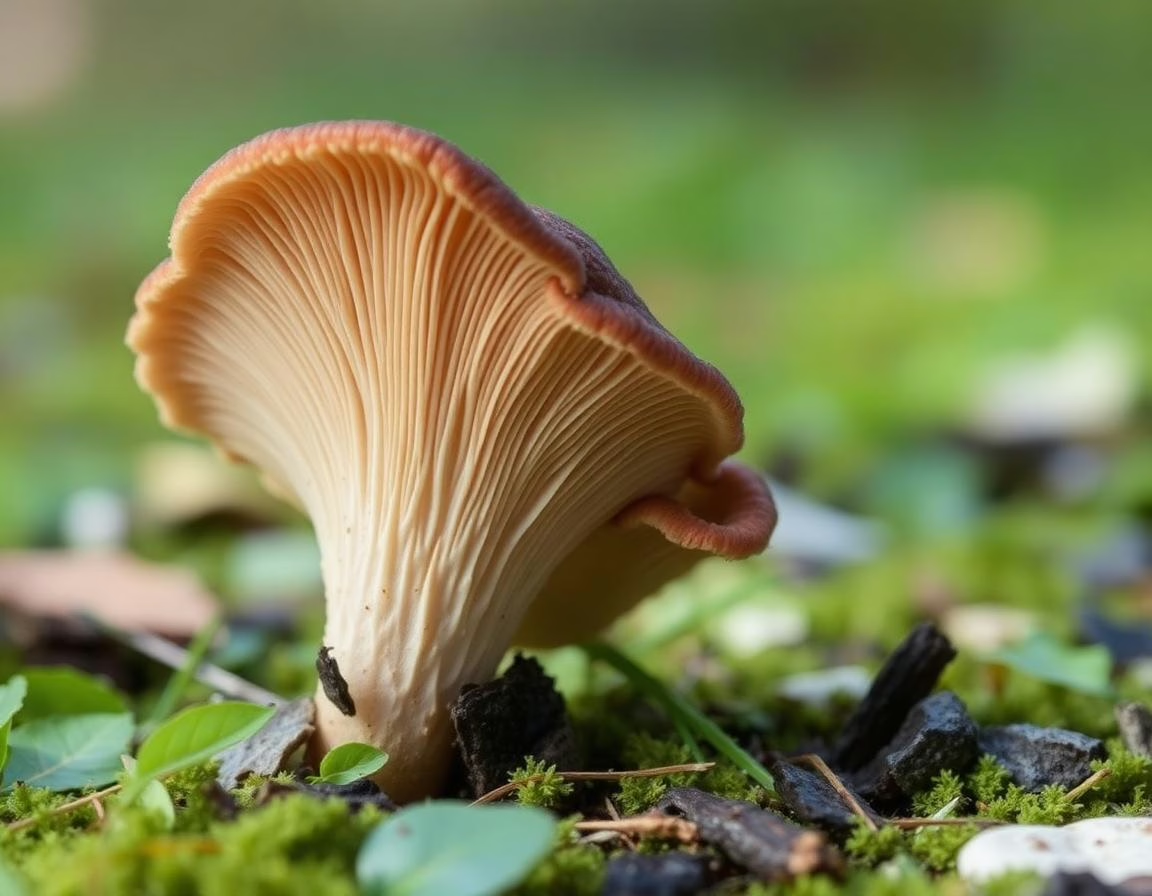
At the heart of the appeal of turkey tail mushroom lies its composition, rich in polysaccharides such as beta-glucans and proteins with potent antimicrobial properties. These natural compounds inhibit the growth of harmful bacteria and fungi, making turkey tail mushroom an ideal candidate for food packaging and preservation. By harnessing these bioactive components, researchers and entrepreneurs are exploring innovative ways to create sustainable packaging materials that not only reduce plastic waste but also extend the shelf life of perishable goods.
One of the standout features of turkey tail mushroom is its ability to biodegrade rapidly, addressing the pressing issue of plastic pollution that plagues our environment. Unlike conventional plastic wraps that persist in landfills for centuries, packaging made from turkey tail mushroom can decompose naturally within a short period, returning valuable nutrients to the soil. This circular approach to material use aligns with the principles of a circular economy, where resources are kept in use for as long as possible through recycling and regeneration.
In addition to its environmental benefits, turkey tail mushroom also offers a visually appealing aesthetic that can enhance the presentation of food products. The intricate patterns and earthy colors of this mushroom lend a natural and artisanal look to packaging, appealing to consumers who value sustainability and authenticity. By incorporating turkey tail mushroom-based packaging, businesses can communicate their commitment to eco-conscious practices and differentiate their products in a competitive market.
The journey from mushroom to packaging material involves a series of innovative processes that highlight the intersection of biotechnology and sustainable design. Initially, turkey tail mushrooms are cultivated and harvested, followed by extraction of bioactive compounds through techniques such as hot water extraction or ethanol precipitation. These compounds are then incorporated into biopolymer matrices to create films or coatings with antimicrobial properties suitable for food packaging.
To ensure the safety and efficacy of turkey tail mushroom-based packaging, rigorous testing and quality control measures are essential. Analytical techniques such as Fourier-transform infrared spectroscopy (FTIR) and scanning electron microscopy (SEM) can be employed to characterize the chemical composition and microstructure of the packaging materials. Furthermore, challenge tests using model microorganisms can assess the antimicrobial activity of the packaging and its potential to extend the shelf life of food products.
The integration of turkey tail mushroom-based packaging into mainstream markets presents exciting opportunities for collaboration between biotechnology researchers, packaging manufacturers, and sustainability advocates. By fostering partnerships that leverage diverse expertise and resources, we can accelerate the development and adoption of eco-friendly packaging solutions that benefit both the planet and the economy. Through collective effort and innovation, we can pave the way for a more sustainable future where nature-inspired materials replace harmful plastics.
In conclusion, the ecological elegance of turkey tail mushroom as an alternative to single-use plastic wrap exemplifies the harmonious synergy between nature’s wisdom and human creativity. By embracing this versatile fungus as a sustainable packaging material, we not only reduce our environmental footprint but also celebrate the beauty of biodegradable solutions. As we navigate the challenges of plastic pollution and climate change, let us look to nature for inspiration and guidance, recognizing that the answers to our most pressing problems may be found in the intricate patterns of a simple mushroom.
Read more on <a href=”https://In the quest for sustainable alternatives to single-use plastic products, the humble turkey tail mushroom emerges as a promising eco-friendly solution. This fungus, scientifically known as Trametes versicolor, not only offers biodegradability and renewability but also showcases unique antimicrobial properties that can enhance food preservation. By delving into the multifaceted benefits and applications of turkey tail mushroom, we uncover a fascinating intersection of nature’s ingenuity and human innovation.
At the heart of the appeal of turkey tail mushroom lies its composition, rich in polysaccharides such as beta-glucans and proteins with potent antimicrobial properties. These natural compounds inhibit the growth of harmful bacteria and fungi, making turkey tail mushroom an ideal candidate for food packaging and preservation. By harnessing these bioactive components, researchers and entrepreneurs are exploring innovative ways to create sustainable packaging materials that not only reduce plastic waste but also extend the shelf life of perishable goods.
One of the standout features of turkey tail mushroom is its ability to biodegrade rapidly, addressing the pressing issue of plastic pollution that plagues our environment. Unlike conventional plastic wraps that persist in landfills for centuries, packaging made from turkey tail mushroom can decompose naturally within a short period, returning valuable nutrients to the soil. This circular approach to material use aligns with the principles of a circular economy, where resources are kept in use for as long as possible through recycling and regeneration.
In addition to its environmental benefits, turkey tail mushroom also offers a visually appealing aesthetic that can enhance the presentation of food products. The intricate patterns and earthy colors of this mushroom lend a natural and artisanal look to packaging, appealing to consumers who value sustainability and authenticity. By incorporating turkey tail mushroom-based packaging, businesses can communicate their commitment to eco-conscious practices and differentiate their products in a competitive market.
The journey from mushroom to packaging material involves a series of innovative processes that highlight the intersection of biotechnology and sustainable design. Initially, turkey tail mushrooms are cultivated and harvested, followed by extraction of bioactive compounds through techniques such as hot water extraction or ethanol precipitation. These compounds are then incorporated into biopolymer matrices to create films or coatings with antimicrobial properties suitable for food packaging.
To ensure the safety and efficacy of turkey tail mushroom-based packaging, rigorous testing and quality control measures are essential. Analytical techniques such as Fourier-transform infrared spectroscopy (FTIR) and scanning electron microscopy (SEM) can be employed to characterize the chemical composition and microstructure of the packaging materials. Furthermore, challenge tests using model microorganisms can assess the antimicrobial activity of the packaging and its potential to extend the shelf life of food products.
The integration of turkey tail mushroom-based packaging into mainstream markets presents exciting opportunities for collaboration between biotechnology researchers, packaging manufacturers, and sustainability advocates. By fostering partnerships that leverage diverse expertise and resources, we can accelerate the development and adoption of eco-friendly packaging solutions that benefit both the planet and the economy. Through collective effort and innovation, we can pave the way for a more sustainable future where nature-inspired materials replace harmful plastics.
In conclusion, the ecological elegance of turkey tail mushroom as an alternative to single-use plastic wrap exemplifies the harmonious synergy between nature’s wisdom and human creativity. By embracing this versatile fungus as a sustainable packaging material, we not only reduce our environmental footprint but also celebrate the beauty of biodegradable solutions. As we navigate the challenges of plastic pollution and climate change, let us look to nature for inspiration and guidance, recognizing that the answers to our most pressing problems may be found in the intricate patterns of a simple mushroom.” target=”_blank” rel=”noopener”>In the quest for sustainable alternatives to single-use plastic products, the humble turkey tail mushroom emerges as a promising eco-friendly solution. This fungus, scientifically known as Trametes versicolor, not only offers biodegradability and renewability but also showcases unique antimicrobial properties that can enhance food preservation. By delving into the multifaceted benefits and applications of turkey tail mushroom, we uncover a fascinating intersection of nature’s ingenuity and human innovation.At the heart of the appeal of turkey tail mushroom lies its composition, rich in polysaccharides such as beta-glucans and proteins with potent antimicrobial properties. These natural compounds inhibit the growth of harmful bacteria and fungi, making turkey tail mushroom an ideal candidate for food packaging and preservation. By harnessing these bioactive components, researchers and entrepreneurs are exploring innovative ways to create sustainable packaging materials that not only reduce plastic waste but also extend the shelf life of perishable goods.One of the standout features of turkey tail mushroom is its ability to biodegrade rapidly, addressing the pressing issue of plastic pollution that plagues our environment. Unlike conventional plastic wraps that persist in landfills for centuries, packaging made from turkey tail mushroom can decompose naturally within a short period, returning valuable nutrients to the soil. This circular approach to material use aligns with the principles of a circular economy, where resources are kept in use for as long as possible through recycling and regeneration.In addition to its environmental benefits, turkey tail mushroom also offers a visually appealing aesthetic that can enhance the presentation of food products. The intricate patterns and earthy colors of this mushroom lend a natural and artisanal look to packaging, appealing to consumers who value sustainability and authenticity. By incorporating turkey tail mushroom-based packaging, businesses can communicate their commitment to eco-conscious practices and differentiate their products in a competitive market.The journey from mushroom to packaging material involves a series of innovative processes that highlight the intersection of biotechnology and sustainable design. Initially, turkey tail mushrooms are cultivated and harvested, followed by extraction of bioactive compounds through techniques such as hot water extraction or ethanol precipitation. These compounds are then incorporated into biopolymer matrices to create films or coatings with antimicrobial properties suitable for food packaging.To ensure the safety and efficacy of turkey tail mushroom-based packaging, rigorous testing and quality control measures are essential. Analytical techniques such as Fourier-transform infrared spectroscopy (FTIR) and scanning electron microscopy (SEM) can be employed to characterize the chemical composition and microstructure of the packaging materials. Furthermore, challenge tests using model microorganisms can assess the antimicrobial activity of the packaging and its potential to extend the shelf life of food products.The integration of turkey tail mushroom-based packaging into mainstream markets presents exciting opportunities for collaboration between biotechnology researchers, packaging manufacturers, and sustainability advocates. By fostering partnerships that leverage diverse expertise and resources, we can accelerate the development and adoption of eco-friendly packaging solutions that benefit both the planet and the economy. Through collective effort and innovation, we can pave the way for a more sustainable future where nature-inspired materials replace harmful plastics.In conclusion, the ecological elegance of turkey tail mushroom as an alternative to single-use plastic wrap exemplifies the harmonious synergy between nature’s wisdom and human creativity. By embracing this versatile fungus as a sustainable packaging material, we not only reduce our environmental footprint but also celebrate the beauty of biodegradable solutions. As we navigate the challenges of plastic pollution and climate change, let us look to nature for inspiration and guidance, recognizing that the answers to our most pressing problems may be found in the intricate patterns of a simple mushroom.



