
Understanding Obstructive Sleep Apnea
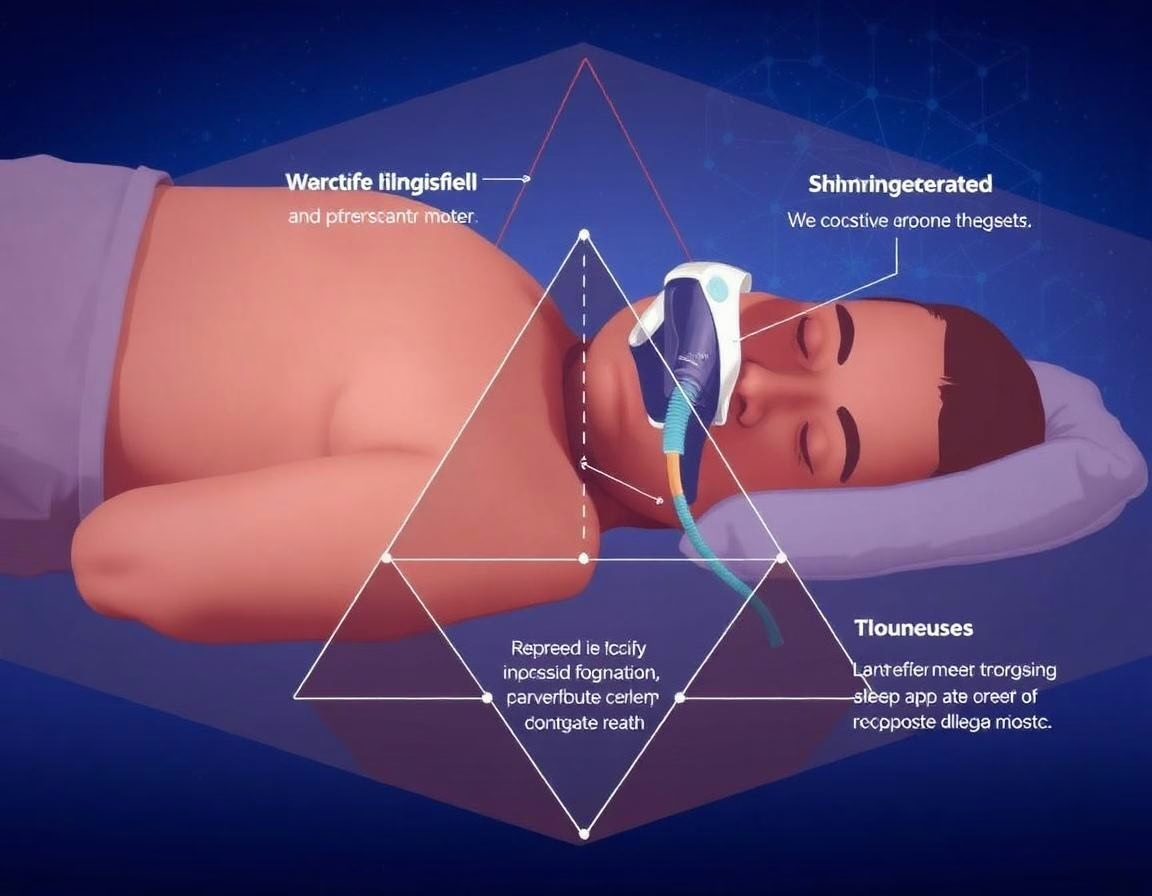
As individuals age, they often experience changes in sleep patterns, such as difficulty falling asleep, waking up earlier, or feeling fatigued. These symptoms can frequently be dismissed as mere effects of aging. However, they may point to a more significant issue, such as obstructive sleep apnea (OSA). This prevalent yet frequently undiagnosed condition can have profound implications for both physical and mental health, particularly in older adults.
Insights from Recent Research
A comprehensive study conducted in Canada highlighted the correlation between OSA and mental health challenges in middle-aged and older adults. Published in JAMA Network Open, the research examined data from over 30,000 participants aged 45 to 85, observing them for an average of nearly three years. At the outset, approximately 23% were identified as being at high risk for sleep apnea, a figure that increased to 27% by the follow-up. Alarmingly, around one-third of these individuals met criteria for poor mental health, with mood disorders and clinical depression emerging as the most significant concerns.
The findings revealed that those at high risk for OSA were approximately 40% more likely to report mental health issues both at the beginning and end of the study. This trend persisted even when controlling for various factors, such as income and existing health conditions. Notably, participants without initial mental health problems who were at high risk for sleep apnea were 20% more likely to develop such issues over time, a risk that increased to about 40 when accounting for longitudinal changes.
Biological Mechanisms Behind the Link
Researchers hypothesized several biological pathways that may explain the connection between OSA and poor mental health. The study authors noted that OSA might influence depression in older adults through its association with cardiovascular health, a known risk factor for later-life depression.
During sleep, repeated episodes of oxygen deprivation can trigger the body’s stress response, causing spikes in hormones like cortisol and increasing heart rate and blood pressure. Such physiological stress can lead to long-term damage to blood vessels and elevate the risk of hypertension and cardiovascular disease. Additionally, frequent sleep disruptions prevent the body from achieving restorative sleep, leaving the nervous system in a constant state of alertness. The impact of sleep deprivation can be particularly detrimental to emotional regulation, making individuals more susceptible to anxiety and depressive moods.
The Bidirectional Nature of the Relationship
Interestingly, the relationship between mental health and sleep apnea may also be bidirectional. Poor mental health can contribute to weight gain and disrupt the neurological processes that keep the airway open during sleep, thereby increasing the likelihood of developing OSA.
The Undiagnosed Epidemic
Globally, OSA is estimated to affect nearly 936 million adults. Despite the availability of effective treatments—such as CPAP machines, oral devices, and surgical options—an estimated 80 to 90% of individuals with OSA remain undiagnosed. This oversight leaves millions at risk for severe health complications.
Dr. Alberto Ramos, an expert in sleep disorders, emphasizes that many older adults may not report excessive daytime sleepiness, leading to missed diagnoses. Often, they simply feel “tired,” attribute it to aging, or may not have someone to notice the signs. He points out that loud, habitual snoring with pauses in breathing is a common indicator, often recognized by bed partners rather than the individuals themselves.
Screening for Sleep Apnea
One effective tool for identifying OSA is the STOP questionnaire, which assesses four key symptoms: snoring, daytime fatigue, observed pauses in breathing during sleep, and high blood pressure. A score of two or more indicates a high risk for OSA. However, many symptoms occur during sleep, leaving individuals unaware of their condition, especially older adults, whose presentations may differ from younger individuals.
Atypical Presentations of Sleep Apnea
In older adults, OSA may manifest in atypical ways, such as unexplained bedwetting, recurrent falls, or fluctuating vision due to low oxygen levels overnight. When OSA is suspected, an overnight sleep study—polysomnography—remains the gold standard for diagnosis, providing a comprehensive view of sleep patterns, oxygen levels, and heart rate.
Integrating Sleep and Mental Health Assessments
The authors of the study advocate for pairing sleep assessments with mental health screenings to identify older adults at risk for both conditions early on. Early intervention is vital, as recurrent drops in oxygen and fragmented sleep can strain the heart and brain, escalating the risk of stroke, cognitive decline, and other serious health issues.
Dr. Ramos emphasizes the importance of managing sleep apnea to safeguard brain health, enhance daily functioning, and support older adults in maintaining their independence.
Recognizing the Importance of Sleep
The commentary from Dr. Giulia Ogliari and colleagues reinforces the need for clinicians and patients to view obstructive sleep apnea as a potential contributor to psychological and cognitive decline in older age. This perspective is particularly crucial given that many older adults are managing multiple health issues, making it harder for them to recover from setbacks. Poor mental health can subtly diminish everyday functioning, reducing motivation and complicating self-care.
Conclusion
While not every sleepless night indicates a severe issue, persistent sleep disturbances warrant attention. By recognizing changes in sleep patterns and discussing them with healthcare providers, individuals can better protect their mental and physical well-being as they age. Understanding the interplay between obstructive sleep apnea and mental health could ultimately lead to improved health outcomes and quality of life for older adults.
- OSA is often undiagnosed, affecting millions globally.
- The risk of mental health disorders is significantly higher among those with OSA.
- Early screening and treatment can prevent serious long-term health consequences.
- Atypical symptoms in older adults may obscure the diagnosis of sleep apnea.
- Integrating sleep assessments with mental health evaluations is essential for better health management.
Read more → www.aol.com



