
Sauerkraut, a traditional fermented dish, is a culinary delight that tantalizes the taste buds with its tangy and sour notes. Renowned scientist and gut health expert, Tim Spector, elucidates the meticulous process of sauerkraut fermentation in his latest book, Ferment. This age-old technique involves slow fermentation at moderate temperatures ranging from 15–20°C for a period of two to four weeks, allowing the distinct sourness to mature to perfection. With a pH level of 3.5, sauerkraut boasts a sharpness that surpasses its zestier counterpart, kimchi.
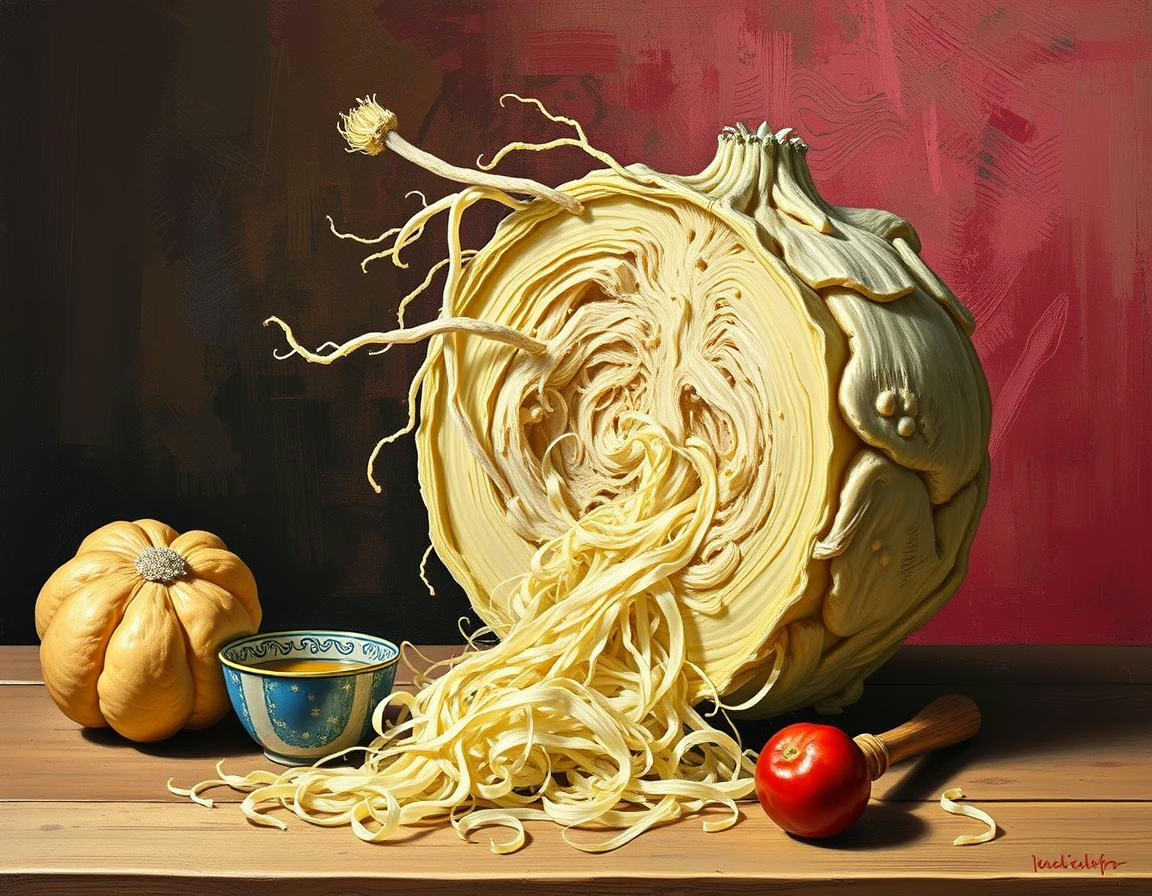
The choice between red and white cabbage dictates the duration of fermentation, with red cabbage necessitating a longer time to reach optimal flavor. To expedite the fermentation process, incorporating additional vegetables such as carrots, rich in accessible sugars for microbial activity, can enhance the overall complexity of flavors. The infusion of 1 tablespoon of caraway seeds or juniper berries contributes a subtle aromatic essence to the sauerkraut, elevating its taste profile.
Crafting Sauerkraut: A Step-by-Step Guide
1. Begin by preparing the cabbage, ensuring to trim the base and set aside the outer leaves for later use. Proceed to finely shred the cabbage and carrots using a mandoline, food processor, coarse grater, or sharp knife.
2. Transfer the shredded cabbage to a sizable bowl, add the caraway seeds, and calculate the total weight of the mixture. Incorporate 2% of the total weight in salt, ensuring thorough distribution.
3. Massage the salt into the cabbage until it softens, allowing it to rest for a minimum of 30 minutes to facilitate water release.
4. Pack the cabbage tightly into a sterilized jar, ensuring submersion in the briny liquid. Place reserved outer leaves atop the cabbage, followed by a weight to maintain pressure. Loosely seal the jar to prevent pressure buildup.
5. Store the jar in a cool, dark place for two to three days to initiate fermentation. Burp the jar daily to release accumulated gas, and after seven days, transfer the sauerkraut to the refrigerator for prolonged storage.
Exploring the World of Fermentation with Tim Spector
Tim Spector’s groundbreaking book, “Ferment: The Life-Changing Power of Microbes,” delves into the transformative potential of fermentation on gut health and overall well-being. With a keen emphasis on probiotic-rich foods like sauerkraut, Spector unravels the intricate relationship between microbial diversity and human health, shedding light on the profound impact of fermented foods on our microbiome.
Unlocking the Gastronomic Potential of Sauerkraut
Sauerkraut’s versatility extends beyond a mere condiment, offering a myriad of culinary possibilities. From enhancing sandwiches and salads to complementing meat dishes, sauerkraut’s robust flavor profile adds depth and complexity to a wide array of recipes. Experimenting with various spices, herbs, and additional vegetables can further elevate the taste profile of sauerkraut, catering to diverse palates and preferences.
Embracing the Fermentation Renaissance
In recent years, there has been a resurgence of interest in fermentation techniques, driven by a growing appreciation for probiotic-rich foods and their beneficial impact on gut health. As individuals seek natural and sustainable ways to enhance their well-being, fermentation stands out as a time-honored practice that offers both culinary delight and health benefits. By incorporating fermented foods like sauerkraut into our diets, we not only savor exquisite flavors but also nurture our microbiome for improved digestion and overall health.
The Journey of Flavor Evolution: From Cabbage to Sauerkraut
The transformation of humble cabbage into tangy sauerkraut epitomizes the magic of fermentation, where microbial alchemy imbues ordinary ingredients with extraordinary taste. As flavors meld and intensify over the fermentation period, sauerkraut undergoes a metamorphosis, evolving from crisp and fresh to tangy and complex. This journey of flavor evolution mirrors the intricate dance of microbes within the fermenting jar, culminating in a culinary masterpiece that captivates the senses.
In conclusion, the art of crafting sauerkraut transcends mere culinary creation; it embodies a profound connection to tradition, health, and gastronomic exploration. Through the patient alchemy of fermentation, we unlock the hidden potential of simple ingredients, transforming them into a symphony of flavors that delight the palate and nourish the body. As we embrace the renaissance of fermentation and rediscover the wonders of probiotic-rich foods, sauerkraut stands as a shining example of culinary artistry and holistic well-being.
Key Takeaways:
– Sauerkraut fermentation is a meticulous process that involves slow fermentation at moderate temperatures to develop its signature tangy flavor.
– Incorporating additional vegetables like carrots and aromatic spices such as caraway seeds can enhance the complexity of sauerkraut’s taste profile.
– Tim Spector’s book, “Ferment: The Life-Changing Power of Microbes,” explores the transformative potential of fermentation on gut health and overall well-being.
– Sauerkraut’s versatility extends to various culinary applications, adding depth and complexity to dishes and catering to diverse palates.
Read more on aol.com



