
San Jose Clears the Way for Chick-fil-A Project
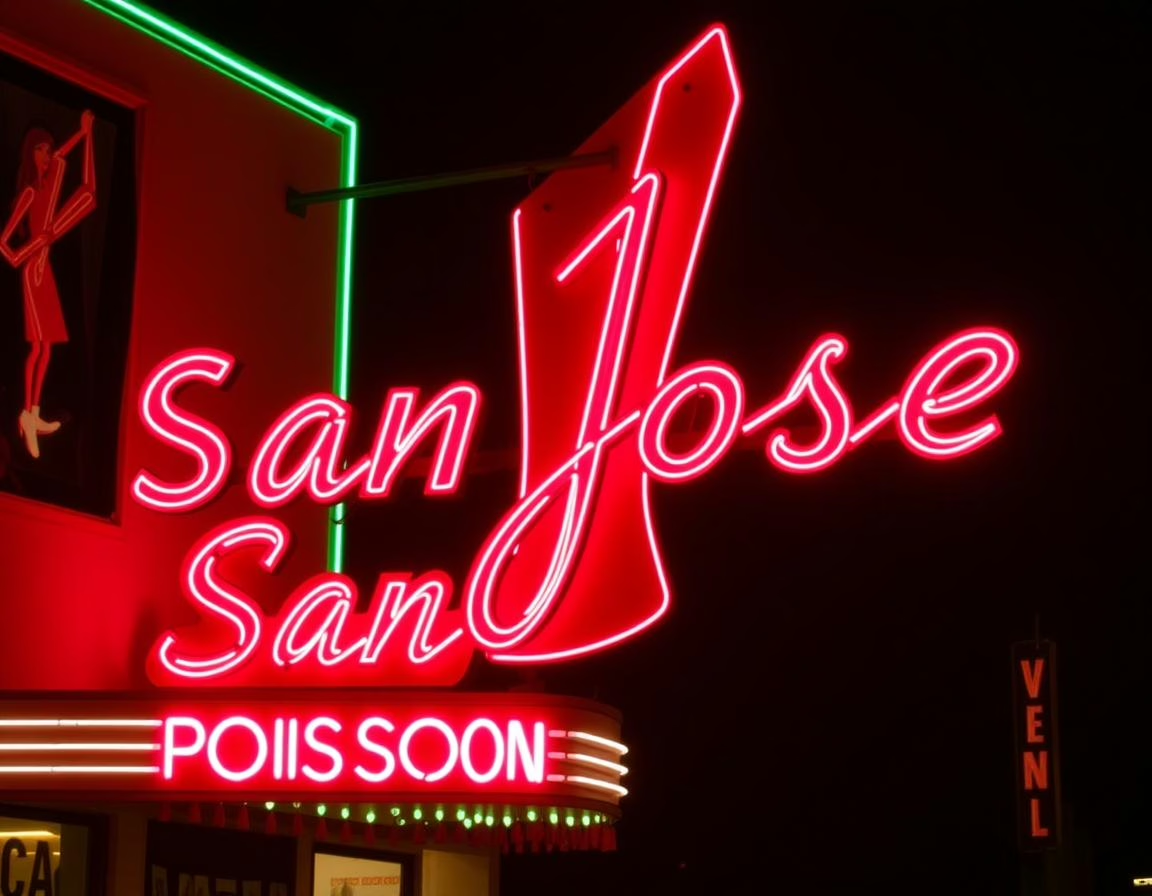
In a recent decision, the San Jose City Council has granted an appeal for a contentious Chick-fil-A proposal at the corner of Race and West San Carlos Streets. This move involved the removal of a crucial “poison pill” condition from the project’s permit, allowing it to progress despite opposition from housing advocates.
A Long-Awaited Development Opportunity
The property in question, located at 1301 West San Carlos Street, has been owned by the Zotta family for over a century. Facing the need for redevelopment, property owner Rosemary Zotta expressed relief at finally securing a partnership with Chick-fil-A after several failed proposals over the years.
A Family Legacy in Transition
Zotta, at 89 years old, is looking to revitalize the existing property, built by her family nearly 70 years ago. The decision to move forward with Chick-fil-A marks a significant transition for the property, which has faced challenges in adapting to modern economic and structural demands.
Navigating Through Obstacles
Despite initial plans for a mixed-use development and other proposals, economic setbacks and logistical issues led to the shelving of alternative projects. The approval for Chick-fil-A’s one-story restaurant signals a new chapter for the property, albeit amidst objections from local residents and advocates.
Reshaping the Neighborhood Landscape
While the Chick-fil-A project has stirred controversy, with concerns about displacing local businesses and diverging from urban planning goals, the decision to proceed reflects a balance between development interests and community priorities. The clash of visions underscores the complexities of urban growth and revitalization efforts.
A Lesson in Urban Planning Dynamics
The debate surrounding the Chick-fil-A project highlights the tension between commercial interests and urban development strategies. As cities evolve, finding common ground between economic viability and community well-being becomes a delicate balancing act that requires thoughtful consideration and collaboration.
Unraveling Planning Missteps
The City of San Jose’s reconsideration of the “poison pill” condition underscores the importance of transparent and inclusive planning processes. Addressing concerns raised by developers and property owners is crucial in fostering productive dialogue and ensuring that regulatory decisions align with broader developmental goals.
Additional Thoughts
“In the tapestry of urban development, each thread represents a stakeholder’s perspective, woven together to create a vibrant fabric of progress. The unveiling of the Chick-fil-A project’s journey reflects the intricate interplay between tradition, innovation, and community aspirations, reminding us that the path to urban transformation is a nuanced tapestry of competing visions and shared aspirations.”
Read more on eastbaytimes.com



