
Introduction
Protein hydrolysates are becoming increasingly popular in the animal feed industry due to their remarkable nutritional benefits and positive impact on livestock health. As the global demand for high-quality animal protein rises, the market for protein hydrolysate in animal feed is projected to reach a staggering USD 1.26 billion by 2035. This growth is fueled by continuous innovation in nutritional formulations and the expansion of livestock production worldwide. In this comprehensive analysis, we delve into the driving factors behind the surge in protein hydrolysate adoption, the key market players, and the future trends shaping the industry.
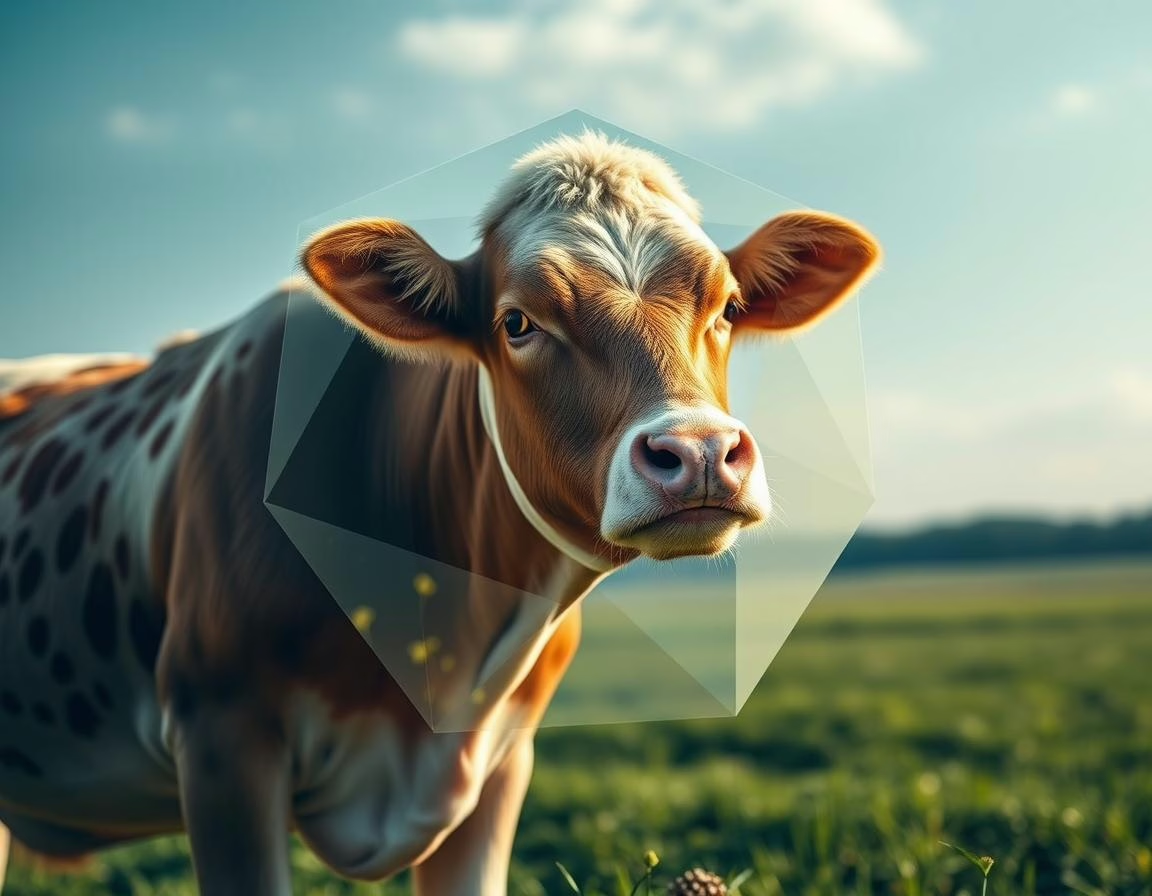
Innovative Nutritional Solutions: The Rise of Protein Hydrolysates
Protein hydrolysates are derived from the enzymatic hydrolysis of proteins, resulting in the breakdown of complex protein structures into smaller peptides and amino acids. This process enhances the digestibility and bioavailability of proteins, making them an ideal nutritional source for animals. The increased focus on precision nutrition and tailored feed formulations has propelled the demand for protein hydrolysates, as they offer a targeted approach to meeting specific dietary requirements of different animal species.
Advantages of Protein Hydrolysates in Animal Feed
– Enhanced Digestibility: The enzymatic hydrolysis process breaks down proteins into smaller peptides, facilitating easier digestion and absorption in animals.
– Improved Nutrient Utilization: The bioavailability of amino acids in protein hydrolysates is significantly higher than that of intact proteins, leading to better nutrient utilization and growth performance.
– Gut Health Promotion: Protein hydrolysates contain bioactive peptides that support gut health by promoting beneficial gut microbiota and reducing the risk of digestive disorders.
– Immunomodulatory Effects: Certain peptides in protein hydrolysates exhibit immunomodulatory properties, enhancing the immune response and overall health of animals.
– Sustainable Protein Source: Utilizing protein hydrolysates in animal feed reduces the environmental impact of livestock production by optimizing feed efficiency and minimizing waste.
Market Dynamics and Growth Drivers
The increasing consumer preference for high-quality animal products, coupled with stringent regulations on animal welfare and feed safety, has bolstered the demand for premium feed ingredients like protein hydrolysates. Additionally, the growing awareness of the link between animal nutrition and human health has spurred the adoption of advanced feed solutions that prioritize animal well-being and product quality. As a result, feed manufacturers are investing in research and development to create innovative protein hydrolysate formulations that cater to the evolving needs of the industry.
Key Market Players and Strategic Initiatives
Leading companies in the protein hydrolysate market are actively engaged in strategic collaborations, acquisitions, and product launches to strengthen their market presence and expand their product portfolios. By leveraging their research capabilities and technological expertise, these players are driving innovation in protein hydrolysate production and introducing customized solutions for different animal species. Some of the key market players include:
– Company A: Known for its cutting-edge enzymatic hydrolysis technology and sustainable sourcing practices, Company A has established itself as a pioneer in the protein hydrolysate market.
– Company B: With a focus on research and development, Company B has introduced novel protein hydrolysate formulations that address specific nutritional requirements of poultry and livestock.
– Company C: A global leader in animal nutrition, Company C offers a diverse range of protein hydrolysate products tailored to enhance the performance and well-being of companion animals and livestock.
Future Trends and Market Opportunities
The protein hydrolysate market is poised for significant growth in the coming years, driven by evolving consumer preferences, technological advancements, and sustainable practices in animal agriculture. Key trends that are likely to shape the future of the market include:
– Personalized Nutrition: The customization of feed formulations based on individual animal requirements and performance targets will become increasingly prevalent, leading to a rise in demand for specialized protein hydrolysate products.
– Digital Integration: The integration of digital technologies such as IoT sensors and data analytics will enable real-time monitoring of animal health and feed efficiency, facilitating precision feeding strategies and optimizing nutrient delivery.
– Circular Economy Practices: Adoption of circular economy principles in feed production, including upcycling of by-products and waste streams, will drive sustainability and resource efficiency in the protein hydrolysate supply chain.
Conclusion
In conclusion, the protein hydrolysate market for animal feed is on a trajectory of exponential growth, propelled by advancements in nutritional innovation, expanding livestock production, and heightened awareness of sustainable practices in animal agriculture. With the market projected to reach USD 1.26 billion by 2035, stakeholders across the industry are poised to capitalize on the immense opportunities presented by this burgeoning sector. By embracing cutting-edge technologies, fostering strategic partnerships, and prioritizing animal health and welfare, the protein hydrolysate market is set to revolutionize the animal feed industry and pave the way for a more sustainable and efficient food production system.
Takeaways:
– Protein hydrolysates offer enhanced digestibility, nutrient utilization, and gut health promotion in animal feed formulations.
– The protein hydrolysate market is driven by consumer demand for high-quality animal products, regulatory focus on feed safety, and growing awareness of the link between animal nutrition and human health.
– Key market players are investing in research and development to create innovative protein hydrolysate formulations and expand their product offerings for diverse animal species.
– Future trends in the protein hydrolysate market include personalized nutrition, digital integration, and circular economy practices, shaping the industry towards sustainability and efficiency.



