
Innovative advancements in biotechnology are paving the way for groundbreaking therapeutic solutions. A remarkable new implant developed by a collaborative team from Northwestern University, Rice University, and Carnegie Mellon University showcases the potential of engineered cells to produce multiple therapies within the body simultaneously. This device, described as a ‘living pharmacy,’ holds the promise of transforming treatment strategies for a variety of diseases.
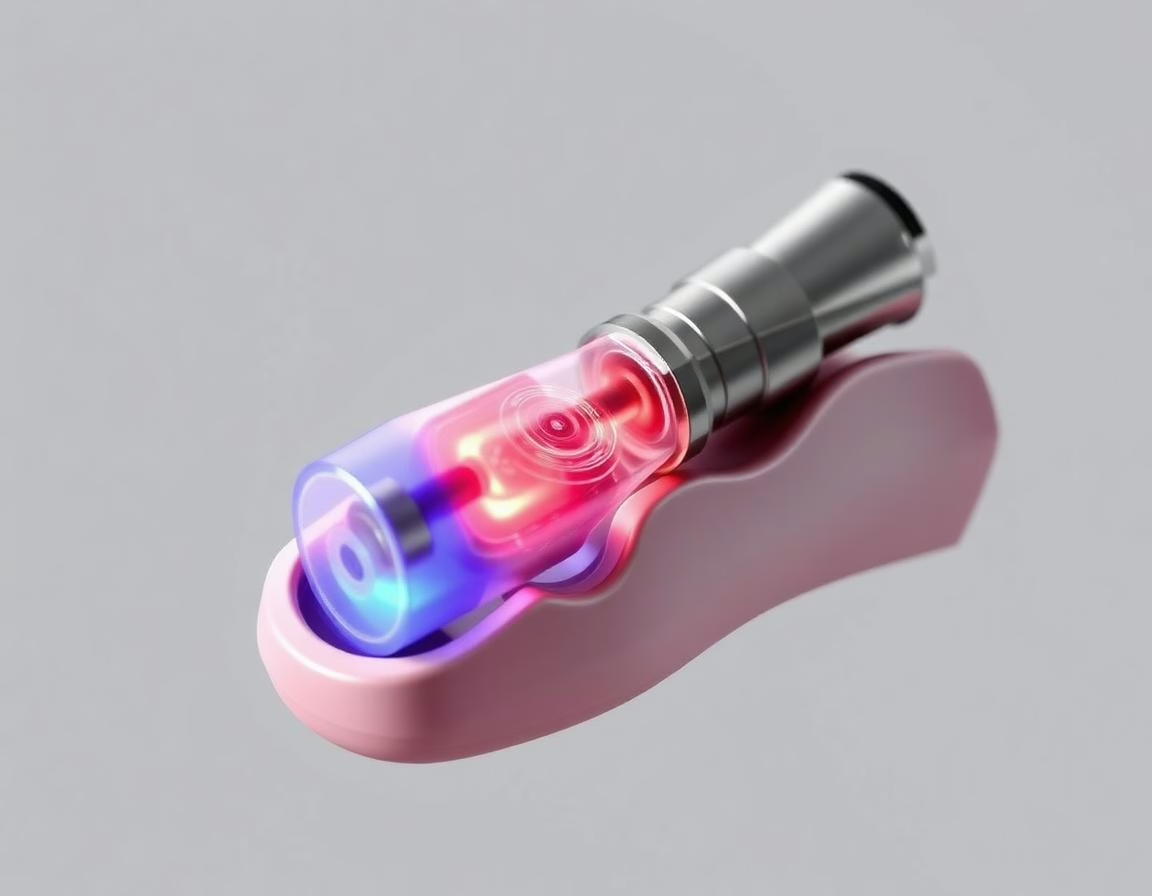
The Concept of a Living Pharmacy
This pioneering device is fully implantable and situated subcutaneously, allowing it to generate local oxygen while housing a dense population of biologic-producing cells. The team engineered the platform to create three different medications concurrently, with aspirations to expand its capabilities to treat various diseases and cell types through a single, long-lasting therapeutic solution.
Biologics have shown efficacy in managing numerous health conditions, including cancer, neurological disorders, autoimmune diseases, and diabetes. The evolution of cell therapy has enabled the development of biologic-producing cells that can be implanted directly into patients. This shift facilitates the sustained delivery of therapeutics for extended periods, eliminating the need for repeated injections and enhancing patient compliance.
Overcoming Oxygen Supply Challenges
Despite the potential advantages of this technology, researchers face significant challenges related to oxygen supply. The subcutaneous space, while convenient for implantation, is oxygen-limited. This scarcity hampers the survival of engineered cells, as they compete for the minimal available supply. Consequently, this limitation affects the quantity of medicine the system can produce, thereby restraining the effectiveness of cell therapies.
To address this issue, the research team developed a novel solution. They built on previous work that focused on generating oxygen by splitting water molecules, leading to the creation of the Hybrid Oxygenation Bioelectronics System for Implanted Therapy, or HOBIT. This wireless, fully implantable platform generates oxygen directly at the site of implantation, ensuring that engineered cells have a sufficient supply for optimal functioning.
Design and Functionality of HOBIT
The HOBIT system, roughly the size of a folded stick of gum, consists of three primary components: a chamber for genetically engineered cells, a mini oxygen generator, and electronic controls to manage oxygen production while facilitating communication with external devices. This compact design allows for a higher density of cells in the subcutaneous space, enhancing overall therapeutic output.
In preclinical studies, the team tested HOBIT in rodent models. They engineered cells capable of producing three distinct biologics, each with varying half-lives: an anti-HIV antibody, a GLP-1-like peptide for type 2 diabetes, and leptin, a hormone that regulates appetite and metabolism. Once implanted under the skin of the rats, the device’s performance was monitored, particularly the levels of each drug in the bloodstream.
Promising Results from Preclinical Trials
The results of the study were promising. In rodents with oxygenated implants, all three medications remained viable throughout the 31-day observation period. This contrasted sharply with control groups, where non-oxygenated implants showed significantly diminished therapeutic efficacy.
These findings underscore the potential of HOBIT to act as a platform for cell therapy, enabling the simultaneous delivery of multiple biologics at clinically relevant doses through minimally invasive implants. The implications for patient care and treatment efficacy are profound, particularly for conditions requiring complex therapeutic regimens.
Future Prospects for Bioelectronics and Cell Therapy
As summarized by Jonathan Rivnay, a co-principal investigator of the project, this work illustrates the vast potential of a fully integrated biohybrid platform for treating various diseases. The synergy between bioelectronics and cell therapy heralds a new era of programmable drug delivery systems within the body.
As these technologies evolve, devices like HOBIT could serve as sophisticated drug factories that deliver tailored therapies in ways that are currently unattainable. This transformation could reshape the landscape of personalized medicine, offering patients more effective and convenient treatment options.
Key Takeaways
- A novel implant, HOBIT, generates oxygen and produces multiple therapeutics simultaneously within the body.
- The device has shown promise in preclinical trials, maintaining drug viability over extended periods.
-
Researchers aim to expand the system’s capabilities to target a broader range of diseases.
-
The integration of bioelectronics with cell therapy presents exciting possibilities for programmable drug delivery.
In conclusion, the advent of the HOBIT implant marks a significant leap in the field of biotechnology. As research progresses, the ability to produce multiple therapeutics within the body could revolutionize treatment protocols, enhancing patient outcomes and reducing the burden of chronic disease management. This innovative approach encapsulates the future of medicine, where technology and biology converge to create personalized, efficient therapeutic solutions.
Read more → www.biotechniques.com



