
Quinoa and brown rice are both celebrated for their health benefits, particularly when it comes to gut health. Each grain possesses unique properties that can nourish the gut microbiome and support digestive function. Understanding these differences can help individuals make informed choices about their diets, especially when considering how to best support their gut health.
Nutritional Powerhouses
Quinoa stands out with its impressive nutritional profile. A single cup of cooked quinoa delivers approximately 5 grams of fiber, contributing around 18% of the recommended daily fiber intake. This fiber is primarily insoluble, which plays a crucial role in adding bulk to stool and promoting regular bowel movements. Additionally, quinoa contains soluble fiber, which beneficial gut bacteria ferment, fostering a healthy microbiome. This fermentation process generates short-chain fatty acids (SCFAs), vital for gut health and immune function.
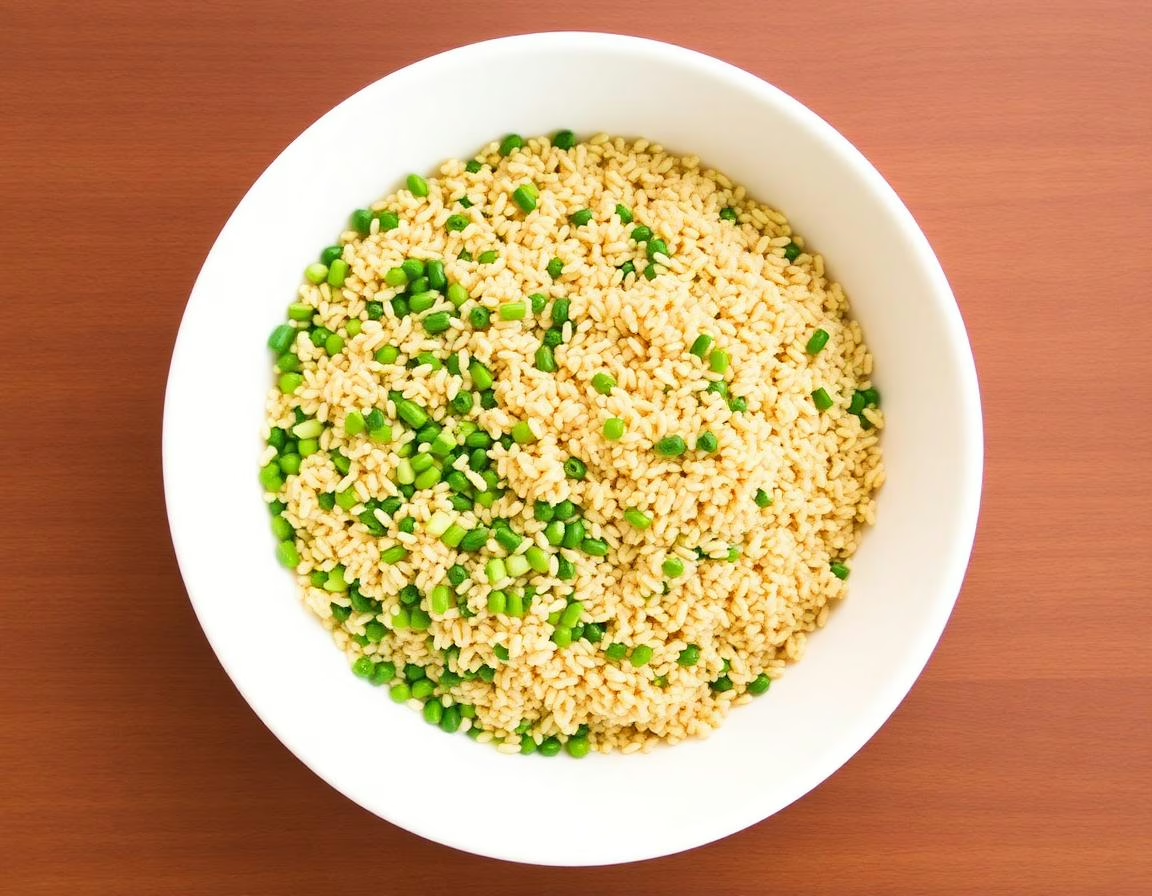
Brown rice, while slightly lower in fiber at about 3.5 grams per cup, is still a robust source of insoluble fiber. As a whole grain, it retains its bran layer, which is stripped away in white rice, resulting in a loss of fiber and antioxidants. This makes brown rice an excellent choice for those looking to enhance their fiber intake and support digestive health.
The Protein Factor
One of quinoa’s most significant advantages is its status as a complete protein. It contains all nine essential amino acids, making it a valuable option for those following plant-based diets. While protein itself doesn’t directly impact gut bacteria, its presence can slow digestion and enhance feelings of fullness, which may contribute to overall digestive comfort. This unique combination of fiber and protein positions quinoa as a particularly beneficial grain.
In contrast, brown rice offers a different set of advantages. While it may not provide complete protein, it serves as a versatile and affordable option for many. Its fiber content, combined with the resistant starch it contains, supports beneficial bacteria in the colon, promoting a healthy gut environment.
Preparation Matters
How these grains are prepared can also influence their gut health benefits. Rinsing quinoa before cooking removes saponins, natural compounds that may cause digestive discomfort for some individuals. Proper cooking and pairing quinoa with other fiber-rich foods can further enhance its positive impact on gut health.
For brown rice, cooking and then cooling it can significantly increase its resistant starch content. This type of carbohydrate is selectively fermented by gut bacteria, leading to beneficial changes in the gut microbiome. Enjoying leftover brown rice can be a simple yet effective way to incorporate this resistant starch into your diet.
Balancing Choices for Gut Health
Determining which grain is superior for gut health often leads to a nuanced answer. While quinoa may provide slightly more fiber and the advantage of complete protein, brown rice is a worthy contender, especially for those on a budget. Both grains contribute positively to gut health, and the best choice may simply be the one that fits into your lifestyle and preferences.
Experts emphasize the importance of dietary variety. Consuming a range of whole grains, including quinoa, brown rice, oats, and barley, fosters a diverse gut microbiome. Different grains feed different types of bacteria, which can enhance overall gut health.
Simple Strategies for Digestive Wellness
To further support gut health, consider these practical tips:
- Embrace Variety: Aim to incorporate a wide range of plant foods into your diet. Research suggests that eating 30 or more different plant foods per week can enhance gut microbiome diversity.
-
Boost Fiber Intake: Gradually increase your fiber consumption to meet daily recommendations—approximately 25 grams for women and 38 grams for men. Distributing fiber intake throughout meals can help minimize digestive discomfort.
-
Include Fermented Foods: Foods such as yogurt, kimchi, and sauerkraut introduce beneficial bacteria into the gut, supporting microbiome health.
-
Stay Hydrated: Adequate water intake is essential for fiber to function effectively. Staying hydrated helps facilitate digestion and prevent bloating.
Conclusion
Both quinoa and brown rice can play vital roles in promoting gut health. While quinoa offers slightly more fiber and complete protein, brown rice’s fiber and resistant starch are invaluable for digestive regularity. The key to a healthy gut lies not in choosing one over the other but in embracing a diverse array of whole grains and plant-based foods. By cultivating variety, consistency, and flexibility in your diet, you can create a thriving gut microbiome that supports overall health.
Read more → www.aol.com



