
Horses have long been integral to the culture and history of New Mexico, much like its famous green chile and hot air balloons. A local startup, EquiSeq, is on a mission to eradicate a debilitating genetic disease affecting horses. Through innovative research and testing, they aim to enhance the future of equine health.
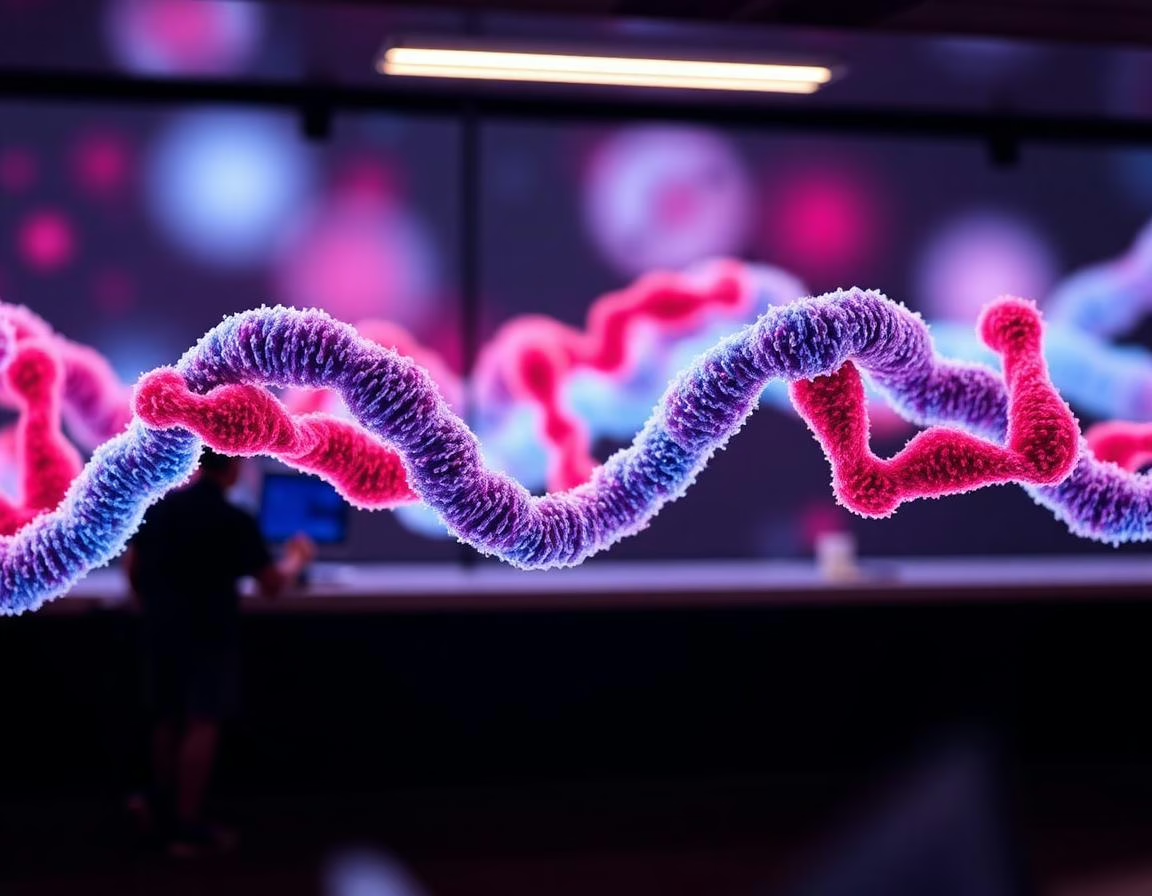
The Challenge of Inbreeding in Horses
Paul Szauter, the chief scientific officer of EquiSeq, acknowledges that he is not a horse enthusiast by any means. However, he recognizes the significance of his work, which could spare future horse generations from a painful condition akin to muscular dystrophy in humans. The issue stems from the prevalent practice of selective breeding, where horses are bred primarily based on the success of their ancestors. This approach, while aiming for desirable traits, can inadvertently lead to harmful genetic mutations.
Horses are often sold based on their lineage, particularly if they come from a line of champions. Szauter explains that this method of breeding can lead to exercise intolerance, a condition where older horses refuse to perform as expected. In severe cases, they may experience episodes known as “tying up,” where muscle stiffness occurs, necessitating veterinary intervention.
The Genesis of EquiSeq
EquiSeq was founded over a decade ago, prompted by the glaring disparity in genetic testing resources available for horses compared to humans. While there are more than 5,000 genetic tests for inherited diseases in humans, Szauter notes that only 16 existed specifically for horses when they began their research in 2015. This realization fueled their commitment to developing a suite of genetic tests aimed at identifying hereditary conditions in horses.
The research team selected six genetic tests to start their work. They leveraged the similarities in muscular DNA between horses and humans, drawing on existing knowledge of human genetic disorders to inform their studies. Szauter emphasizes the evolutionary connection among mammals, stating that the muscle genes in humans and horses share a common ancestry that dates back hundreds of millions of years.
Recognizing Symptoms in Horses
Horse owners should be vigilant for specific symptoms, particularly in horses aged seven to ten years. Szauter encourages owners to be attentive to their horses’ behavior, as subtle changes can indicate pain. Observing a horse’s gait is crucial; alterations, especially during cantering, may signal distress. Szauter describes a phenomenon known as “bunny hopping,” where both hind legs move together due to a lack of strength and mobility, ultimately leading to severe complications.
As the condition progresses, it may culminate in the horse’s inability to stand, often resulting in euthanasia. This tragic outcome underscores the importance of early detection and intervention.
Breeding for a Healthier Future
EquiSeq aims to empower breeders and potential horse buyers with genetic insights that can help eliminate these hereditary conditions. By identifying the genetic abnormalities responsible for such diseases, there is a possibility of breeding them out over subsequent generations. Szauter emphasizes that targeted genetic testing can revolutionize breeding practices, making it feasible to select for healthier lineages.
In December 2025, EquiSeq secured its second patent for genetic testing, building upon the foundation established by their first patent application in 2017. Szauter reflects on the arduous eight-year journey to achieve patent protection, which involved significant investment of time and resources. However, this milestone positions EquiSeq for future growth and innovation in equine health.
A Bright Future with Investment
Owning patents not only protects their intellectual property but also positions EquiSeq for substantial expansion. Szauter expresses a desire to attract investors and collaborate with larger corporations, such as the Mars Corporation, to enhance research and development initiatives for equine health. Ongoing research efforts aim to uncover additional genetic variants that could inform future testing.
New Mexico’s unique environment and rich equestrian history provide an ideal backdrop for EquiSeq’s endeavors. Szauter appreciates the cultural significance of horses in the state, viewing their work as a continuation of a long-standing relationship between the land and these majestic animals.
Swift Testing and Future Aspirations
Once hair samples are collected from clients, EquiSeq typically delivers results within two weeks. Currently, the focus remains on the six patented tests, but the organization aspires to broaden its range of genetic testing options in the future, ensuring that horse health continues to advance.
Key Takeaways
- EquiSeq is addressing hereditary diseases in horses through genetic research and testing.
- Selective breeding practices contribute to genetic disorders, making genetic testing vital for prevention.
-
The startup aims to empower breeders by providing tools to eliminate hereditary conditions over generations.
-
Securing patents has positioned EquiSeq for growth and collaboration with larger entities.
-
New Mexico’s rich equine heritage provides a unique context for EquiSeq’s mission.
In summary, EquiSeq’s groundbreaking work in genetic testing not only holds the potential to transform equine health but also reinforces the deep-rooted connection between horses and New Mexico’s cultural identity. Through innovation and dedication, they are paving the way for a future free from genetic diseases in horses.
Read more → www.yahoo.com



