
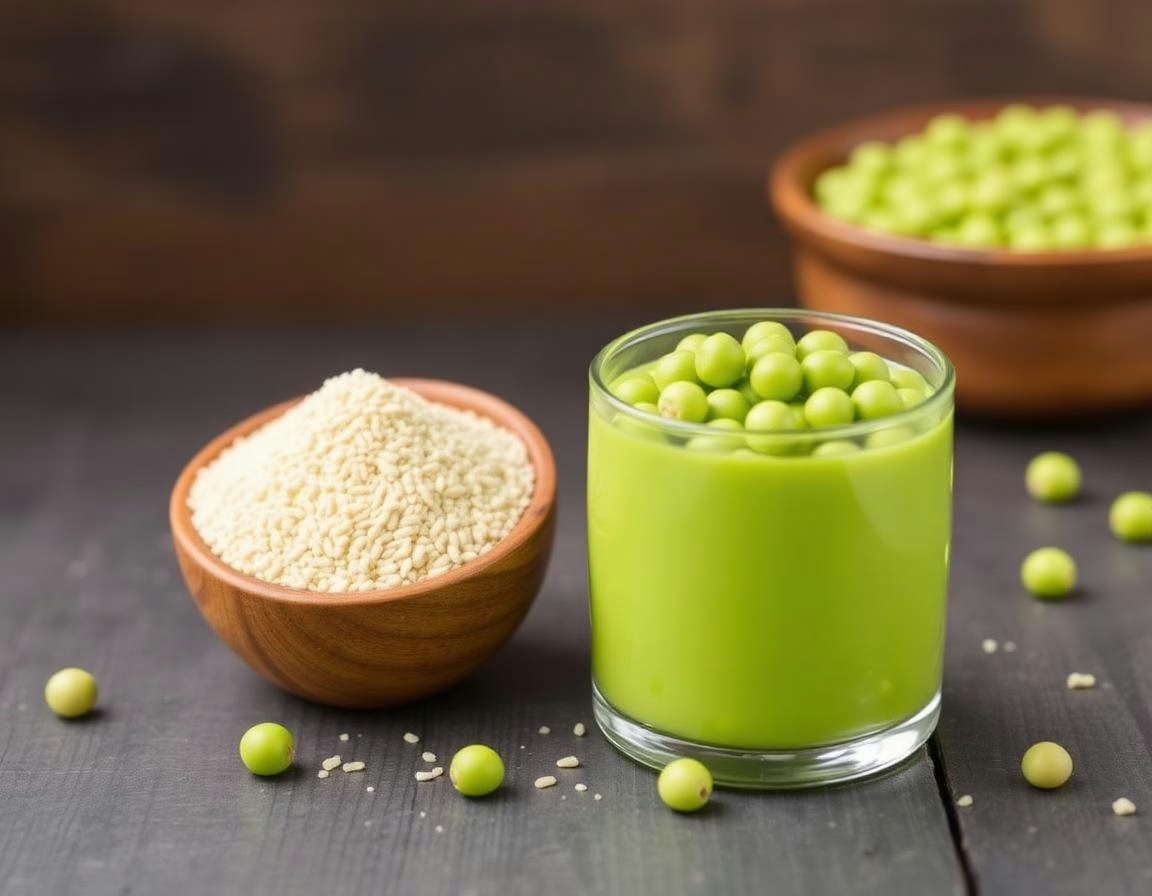
The global pea protein market is on an impressive growth trajectory, expected to climb from $1.74 billion in 2025 to a remarkable $3.9 billion by 2035, marking a robust compound annual growth rate (CAGR) of 8.4%. This surge is largely fueled by heightened consumer awareness surrounding nutrition, the demand for clean-label proteins, and a shift towards eco-friendly food production practices. With its complete amino acid profile, hypoallergenic properties, and excellent digestibility, pea protein is emerging as a favored alternative to traditional soy and dairy proteins. This trend is particularly prevalent in sectors such as sports nutrition, meat substitutes, dietary supplements, and dairy alternatives.
Rising Demand for Plant-Based Nutrition
As consumers increasingly prioritize health-conscious eating, brands are actively incorporating pea protein into a variety of products, from snacks and beverages to ready-to-mix formulations and processed foods. This shift reflects a broader desire for high-quality, plant-based nutrition solutions that align with modern dietary preferences.
Pea Protein: The Clean-Label Ingredient of Choice
Pea protein stands out as a complete source of amino acids, making it particularly advantageous for applications in athletic recovery, clinical nutrition, and specialized diet programs. Its hypoallergenic nature allows for a wider range of applications compared to soy and dairy proteins, appealing to those with dietary restrictions. The growing emphasis on sustainable consumption is enhancing the appeal of pea protein, as its cultivation demands significantly fewer resources and leads to lower carbon emissions than animal-derived proteins.
In addition, global dietary trends are shifting towards higher protein intake to bolster immunity, assist in weight management, and support active lifestyles. Manufacturers are seizing the opportunity to innovate and create nutrient-rich products that cater to busy consumers seeking convenient, functional food options.
Pricing Fluctuations: The Impact of Agricultural Variability
The pea protein market is currently experiencing moderate pricing volatility, primarily due to fluctuating legume yields in key production regions like Canada and Eastern Europe. Reports indicate a slight dip in yellow pea production attributable to unfavorable planting conditions, which is likely to influence cost trends and contract pricing in the near term.
Innovations in Food Distribution and Storage
As pea protein gains a foothold in mainstream foodservice and retail, food distribution networks are evolving. North American producers are making significant investments in ISO-certified dry powder silos and nitrogen-flushed containers to minimize degradation risks during transport and storage. These advancements have successfully reduced loss rates to below 2.5%, ensuring product quality and consistency.
Localized Supply Chain Strategies
In response to the growing demand for sustainability, leading players in the pea protein market are building localized production ecosystems. This strategic shift not only minimizes freight-related emissions but also helps companies adhere to regulatory standards. By enhancing technological barriers, these initiatives bolster market leadership while promoting sustainability, scalability, and opportunities for clean-label formulations.
Market Share Insights: Isolates vs. Concentrates
Pea protein isolates currently dominate the market with a 47% share, thanks to their superior purity, solubility, and neutral flavor profile. These characteristics make them the preferred choice for applications in performance nutrition, plant-based dairy, and fortified food products.
Within the broader landscape, food processing is a significant segment, accounting for 50% of the market share. The ability of pea protein to emulsify, bind, and improve texture has solidified its role as a fundamental ingredient across a diverse array of products, including baked goods, snacks, beverages, and meat alternatives on a global scale.
Regional Market Dynamics: A Global Perspective
In the United States, the demand for pea protein is rising, particularly driven by trends in whole-egg replacement and sustainable meat formulations. Meanwhile, China has seen strong adoption in dairy substitutes, particularly for lactose-free, high-protein alternatives. Germany is also experiencing rapid growth in sports nutrition, fueled by a surge in plant-based wellness preferences.
Conclusion: The Future is Bright for Pea Protein
As the global pea protein market prepares for significant expansion, its trajectory is clear: sustainability, health consciousness, and innovation will drive its continued success. With increasing consumer interest, the spotlight on pea protein is only expected to grow, paving the way for a future rich in plant-based nutrition.
- Pea protein market projected to reach $3.9 billion by 2035.
- Rising consumer awareness drives demand for clean-label, plant-based proteins.
- Hypoallergenic properties expand pea protein’s applications beyond soy and dairy.
- Localized supply chains enhance sustainability and reduce emissions.
- Isolates lead the market share due to their superior characteristics.
- Regional trends indicate strong growth across the U.S., China, and Germany.
Source: www.fmiblog.com



