
In recent years, innovative therapies have emerged to provide relief for those grappling with depression. One notable treatment gaining traction is transcranial magnetic stimulation (TMS). Unlike traditional methods, TMS offers a noninvasive approach that has shown promise for many patients, including those who have faced challenges with conventional medication.
The Journey to Recovery
Kimberly Shock’s experience illustrates the potential of TMS. After undergoing knee surgery, this athlete faced unexpected mental health struggles. Medication, while a common recourse, left her feeling emotionally dulled. Seeking an alternative, she discovered TMS, which uses targeted magnetic pulses to stimulate nerve cells in the brain.
Since its FDA approval for depression in 2008, TMS has remained relatively unknown to many. However, its noninvasive nature and effective results have begun to change perceptions. Shock experienced significant improvements after just two sessions, underscoring the therapy’s rapid efficacy.
Understanding TMS
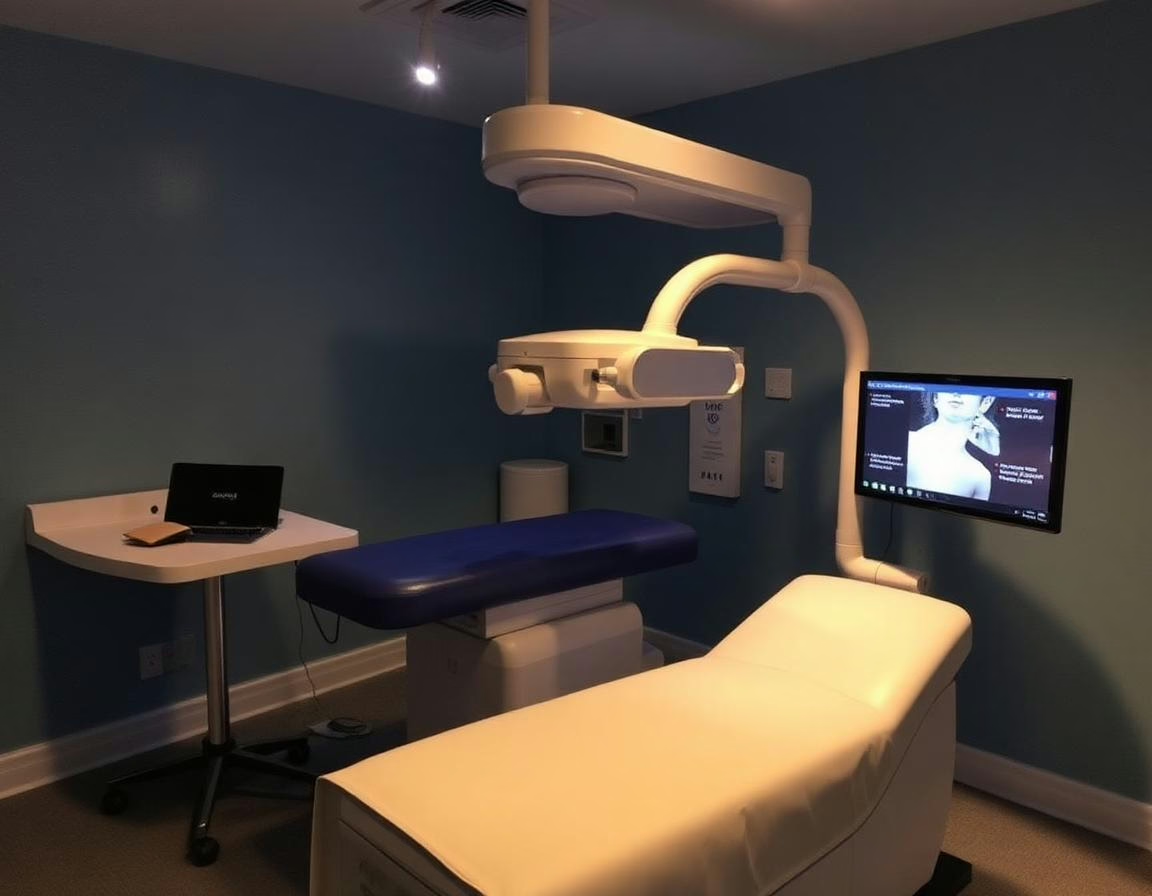
TMS operates by delivering magnetic frequencies to specific areas of the brain associated with mood regulation. Mah Mekolle, a psychiatric nurse practitioner at Serenity Mental Health Centers, emphasizes that TMS can help repair or rewire crucial neural connections. This targeted approach allows patients to potentially experience relief without the side effects commonly associated with antidepressants.
Unlike electroconvulsive therapy (ECT), which requires anesthesia and is often misunderstood, TMS is a more gentle alternative. Patients wear a helmet-like device during short sessions, typically spanning several weeks. On average, individuals undergo between 30 to 36 sessions to complete a round of treatment, often taking six to eight weeks to finish.
The Impact on Patients
For many, TMS represents a significant turning point in their mental health journey. Kimberly Shock shared how the therapy has transformed her life. Beyond alleviating her depression, she has seen improvements in her career, fitness, and personal relationships. This newfound perspective highlights the importance of seeking the right tools for recovery.
Mekolle notes that depression manifests differently in each individual. As such, it is crucial for patients to collaborate with their healthcare providers to identify the most effective treatment options. While some may find relief through medication or counseling, others may benefit from therapies like TMS.
The Importance of Personalized Care
The landscape of mental health treatment is continuously evolving. As awareness of TMS grows, so does the understanding that personalized care is vital for effective recovery. Each patient’s journey is unique, necessitating tailored approaches that consider their specific symptoms and responses to treatment.
Experts in the field advocate for a comprehensive strategy that includes various modalities. In doing so, they encourage patients to remain open to exploring different therapies until they find what resonates best with their needs.
The Future of Depression Treatment
As research continues to evolve, the potential for TMS and similar therapies to reshape mental health treatment is promising. The ongoing dialogue about alternative options to medications is essential, providing hope to those who may feel trapped in a cycle of ineffective treatments.
The increasing acceptance of TMS as a viable option is a testament to the progress being made in the field. As more individuals like Kimberly Shock share their success stories, the stigma surrounding nontraditional therapies may begin to diminish.
Key Takeaways
- Transcranial Magnetic Stimulation (TMS) is a noninvasive therapy approved for depression since 2008.
- TMS uses targeted magnetic pulses to stimulate nerve cells and can provide relief without the side effects of traditional medications.
-
Personalized care is essential for effective treatment, as depression affects each individual differently.
-
The therapy typically requires 30 to 36 sessions over six to eight weeks for optimal results.
-
Increased awareness and acceptance of TMS may lead to a broader understanding of mental health treatment options.
In conclusion, transcranial magnetic stimulation stands as a beacon of hope for those battling depression. With its noninvasive approach and tailored treatment plans, TMS is redefining the landscape of mental health care. As more individuals explore these innovative therapies, the future of depression relief looks increasingly promising.
Read more → www.ksl.com



