
The realm of cancer treatment is experiencing a transformative era, largely propelled by advancements in immunotherapy. Over the last decade, the introduction of therapies such as immune checkpoint inhibitors has reshaped the landscape, leveraging the body’s own immune defenses to combat cancer. As researchers continue to decipher the intricate tumor microenvironment, there is a pressing need for innovative strategies in drug discovery that can effectively address the limitations faced by current therapies.
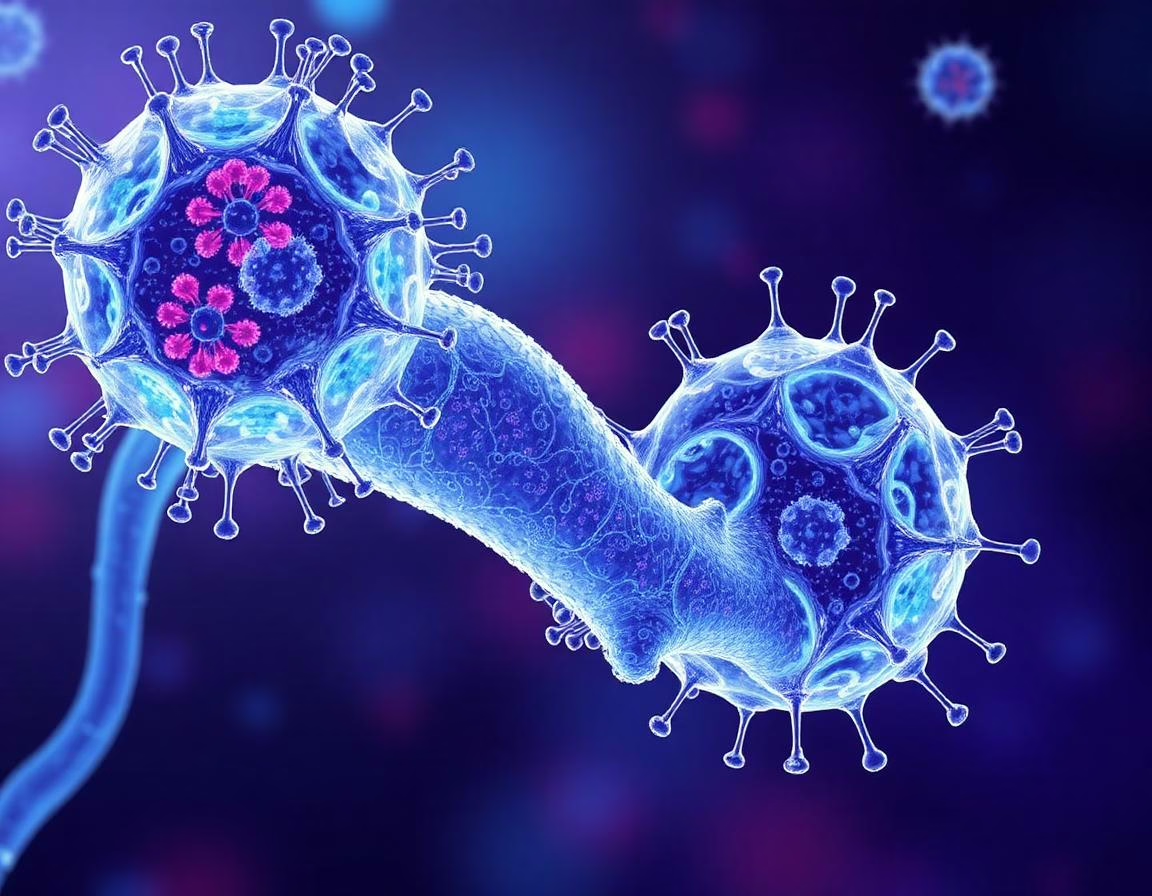
The Need for Next-Generation Approaches
The impetus for developing next-generation drug discovery methods stems from the critical demand for more effective cancer treatments. Existing immunotherapies, while groundbreaking, often face challenges due to resistance mechanisms that can undermine their efficacy. To tackle these issues, it is essential to cultivate a multidisciplinary approach that emphasizes personalized immunotherapy, biomarker discovery, and the integration of AI-driven methodologies. These components are vital for enhancing therapeutic outcomes and understanding how to tailor treatments to individual patient profiles.
Embracing Multidisciplinary Collaboration
Fostering a collaborative environment among experts in various fields is crucial for advancing cancer immunotherapy. This Collection aims to create a platform for innovative research that intersects drug development with key themes such as antibody-based therapeutics and the tumor microenvironment. Understanding the complex interactions between tumors and immune responses is fundamental to developing new treatment paradigms. Contributions are welcomed that investigate these dynamics, offering insights into how the tumor microenvironment can dictate the success or failure of immunotherapeutic strategies.
The Role of AI in Drug Development
Artificial intelligence is revolutionizing the drug discovery process, and its application in cancer immunotherapy presents exciting possibilities. By streamlining drug development, AI can enhance biomarker identification, leading to more personalized treatment strategies. The use of AI-driven methodologies not only accelerates the pace of research but also improves the precision of targeting specific cancer types. This technological integration is key to developing therapies that are not only effective but also safe for patients.
Focus on Biomarkers and Patient Stratification
Biomarker discovery plays a pivotal role in personalizing cancer treatment. Identifying specific biomarkers that correlate with treatment responses allows for better patient stratification, ensuring that therapies are tailored to those most likely to benefit. This targeted approach minimizes the risk of ineffective treatments and maximizes therapeutic efficacy. As research progresses, the importance of biomarkers in guiding clinical decisions cannot be overstated.
Encouraging Innovative Contributions
This Collection invites researchers to submit their findings and insights into novel drug development approaches within the immuno-oncology space. Studies that explore the interplay between the tumor microenvironment and immune responses are particularly encouraged, as are those that leverage AI to enhance drug development processes. By gathering diverse perspectives and expertise, this initiative aims to inspire collaborative efforts that lead to innovative solutions in cancer immunotherapy.
Conclusion
As the field of cancer immunotherapy continues to evolve, the integration of personalized approaches, biomarker discovery, and AI-driven methodologies will play a pivotal role in shaping future treatments. The collaboration of experts from various disciplines will drive advancements that can lead to more effective therapies and improved patient outcomes. Together, we can pave the way for a new era in cancer treatment that is not only innovative but also deeply personalized.
- Key Takeaways:
- The landscape of cancer treatment is changing with advancements in immunotherapy.
- Next-generation drug discovery methods are vital for overcoming treatment resistance.
- AI-driven methodologies are essential for enhancing drug development and biomarker identification.
- Personalized immunotherapy is crucial for optimizing treatment effectiveness.
- Collaborative research efforts will be instrumental in driving innovation in cancer therapy.
Read more → www.nature.com



