
Hyundai has recently joined the movement towards sustainable and animal-friendly leather alternatives, partnering with UNCAGED Innovations to develop cutting-edge materials for car interiors. This collaboration aims to introduce a high-performance bioleather named “ELEVATE,” which boasts a smaller environmental footprint compared to traditional leather options, without compromising on texture, durability, or luxury.
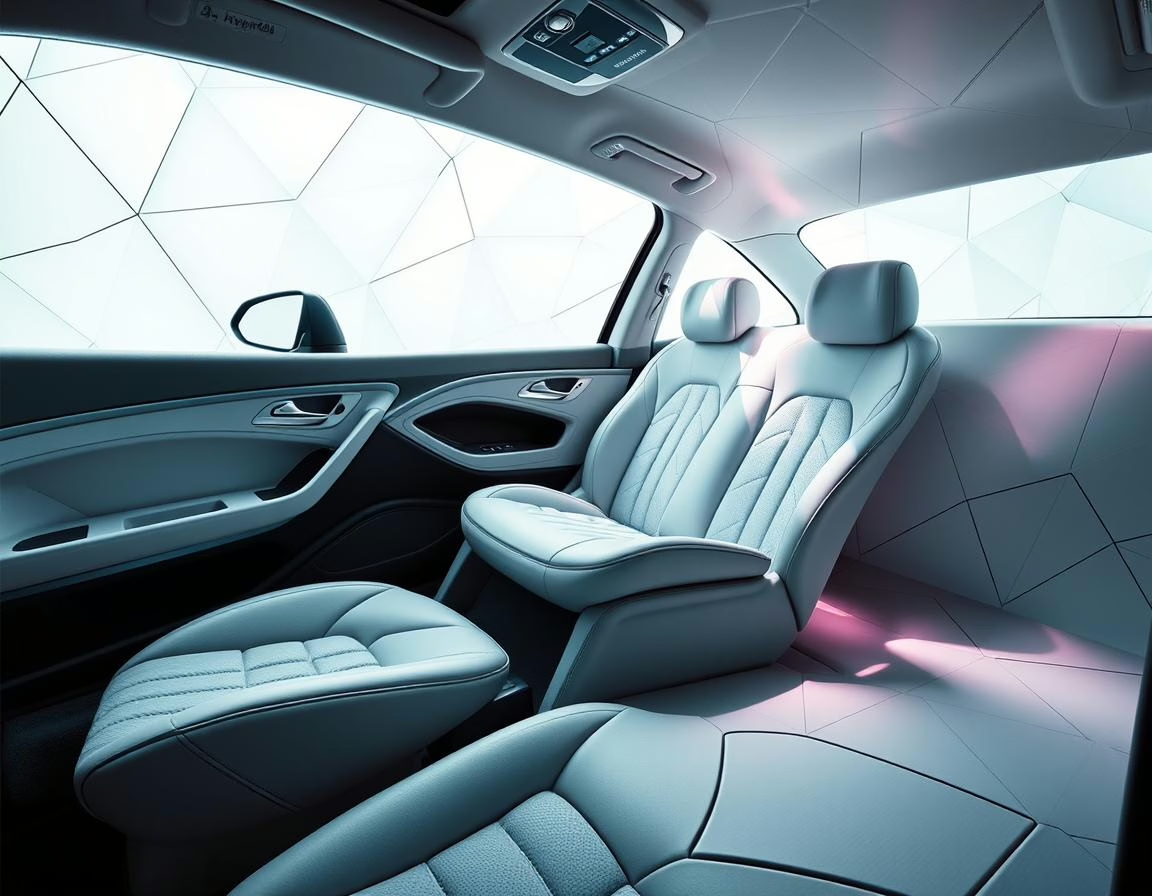
The production of animal-based leather is known to have a significant negative impact on the environment, emitting high levels of greenhouse gases, consuming vast amounts of water, and energy. In stark contrast, ELEVATE, developed through a fusion of UNCAGED’s BioFuze technology and biomaterial manufacturing, offers a sustainable and customizable solution that effectively replicates the performance of traditional leather while drastically reducing its environmental impact.
Hyundai’s decision to embrace UNCAGED’s grain-based protein leather alternative underscores the company’s commitment to sustainability and high-quality standards in automotive interiors. By leveraging natural resources like coffee bean shells for dyes and minimizing chemical inputs, Hyundai aims to align with its sustainability material strategy, prioritizing high bio content and minimal chemical use in its products.
The Shift Towards Plant-Based Alternatives
The global leather industry, which reached a production volume of 12.5 million tonnes in 2020, heavily relies on the skins of over 1.4 billion animals. Within this sector, the automotive industry stands out as a significant consumer, utilizing approximately 13.4% of all leather produced. With Hyundai alone selling millions of cars annually, the adoption of sustainable leather alternatives can lead to a substantial reduction in the industry’s environmental impact.
Market Trends and Environmental Concerns
While animal-based leather currently dominates the automotive market with nearly a 60% share, the growing awareness of environmental issues and customer demand for sustainable products are driving a shift towards plant-based and animal-free alternatives. Reports from Grand View Research forecast a significant growth trajectory for the global automotive leather market, with a predicted value of $54.22 billion by 2030, further emphasizing the need for eco-friendly solutions like ELEVATE.
UNCAGED’s Path to Innovation
UNCAGED’s successful fundraising efforts, including a $2 million pre-seed funding round supported by Jaguar Land Rover, highlight the industry’s recognition of the potential for sustainable materials in automotive interiors. Notably, UNCAGED’s future products may offer a unique signature fragrance, enhancing the appeal of their eco-friendly solutions to consumers.
The Future of Sustainable Materials in Automotive Design
As automotive manufacturers continue to prioritize sustainability and environmental responsibility, collaborations like the one between Hyundai and UNCAGED pave the way for a more eco-conscious future in car interiors. By integrating innovative technologies and materials, companies can meet consumer expectations for high-quality, luxurious products while reducing the ecological footprint of their operations.
Conclusion
In conclusion, Hyundai’s partnership with UNCAGED to develop bioleather alternatives represents a significant step towards a more sustainable and environmentally conscious automotive industry. By prioritizing eco-friendly materials and production processes, companies can not only reduce their environmental impact but also meet the evolving demands of consumers for ethical and sustainable products. This collaboration serves as a testament to the power of innovation and collaboration in driving positive change in the automotive sector.
- Sustainable leather alternatives like ELEVATE offer a smaller environmental footprint without compromising on quality
- The automotive industry is increasingly shifting towards plant-based and animal-free materials to mitigate environmental impact
- UNCAGED’s innovative approach to biomaterial manufacturing presents new opportunities for sustainable car interiors
- Collaboration between companies like Hyundai and UNCAGED is essential for driving innovation and sustainability in automotive design
Tags: biotech
Read more on plantbasednews.org



