
Microbial diversity plays a crucial role in sustaining life on Earth, with microbes being vital in various aspects of human existence. The utilization of microbes in food production, known as microbial domestication 1.0, has been a longstanding practice. Processes like fermentation have enabled the creation of a wide array of food products, from sourdough bread to chocolate and vinegar. With advancements in technology and genetic engineering, we have entered microbial domestication 2.0, where synthetic biology and microbial chassis adaptation offer solutions to current and future food challenges. This perspective article delves into recent research in microbial synthetic biology and how traditional fermentation microbes can be harnessed to address upcoming food challenges.
The Evolution of Synthetic Biology in Microbial Chassis
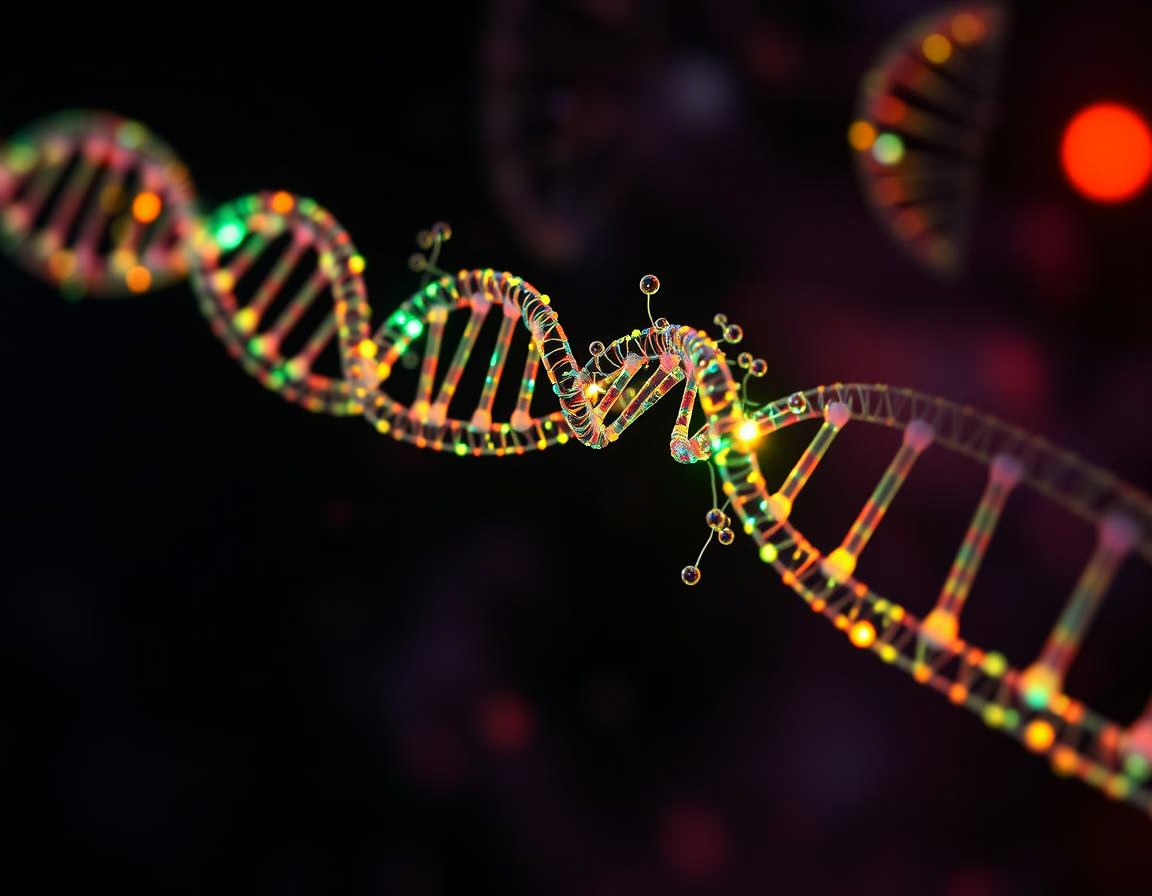
Synthetic biology involves the standardization of DNA parts and the construction of synthetic organisms to serve as chassis in various applications. While significant progress has been made in designing and synthesizing synthetic DNAs, there are challenges in building organisms from scratch due to extensive genetic engineering requirements. The development of minimal chassis could streamline research by allowing minimal interference in cellular metabolism. Cell-free biology has emerged as an alternative, enabling the production of valuable compounds but lacking scalability.
Exploring Microbial Diversity for Enhanced Chassis
In industrial processes, random mutagenesis and Adaptive Laboratory Evolution are common tools to optimize microbial strains. However, the diversity of industrially used microbial chassis remains limited compared to the vast microbial biodiversity available. Leveraging advances in synthetic biology tools, researchers can tap into unexplored wild-type microorganisms for enhanced performance in various products. Whole genome sequencing and high-throughput technologies have revolutionized microbial research, allowing for the exploration of non-model microorganisms and the creation of new microbial systems.
Addressing Global Food Challenges Through Synthetic Biology
Ensuring a sustainable food supply for the growing global population is a pressing challenge exacerbated by factors like pandemics, geopolitical instability, and climate change. Synthetic biology offers innovative solutions, ranging from producing essential nutrients like β-carotene in Golden Rice to developing alternative meat and milk products. By engineering microbes, researchers aim to reduce environmental impact, enhance food quality, and create sustainable packaging materials.
Unlocking the Potential of Traditional Fermentation Microbes
Daily products like sourdough bread, coffee, and chocolate are outcomes of microbial fermentation processes. Traditional fermentation cultures harbor a diverse range of microbes, offering valuable genetic resources for synthetic biology applications. Microbial communities from fermentation processes, such as Kveik yeasts in farmhouse brewing, present unique phenotypic properties ideal for synthetic biology chassis. Systematic analysis of these communities through metagenomics and high-throughput sequencing enables a deeper understanding of their composition and potential applications.
Genomic Tools for Non-Model Organisms
Advancements in metagenomics have led to a wealth of whole genome data, facilitating the isolation and characterization of individual microbes from diverse communities. Understanding the Nagoya protocol is crucial when isolating microbes to avoid biopiracy issues. By combining short- and long-read sequencing techniques, researchers can sequence and assemble microbial genomes efficiently. Genetic engineering of non-model organisms requires robust transformation procedures and innovative tools like CRISPR/Cas-based methods, paving the way for synthetic biology applications.
Engineering Microbes for Future Food Production
Engineered microbes offer a sustainable alternative to traditional agriculture, reducing water and land requirements while enhancing food quality. From brewing yeasts producing flavor molecules to microbes generating milk and meat replacements, synthetic biology is reshaping the future food landscape. By utilizing fermentation vessels and alternative feedstocks, microbial production offers a decentralized, on-demand approach to food production.
Promoting Sustainable Biomaterials Through Synthetic Biology
In addition to food production, synthetic biology is advancing sustainable biomaterials to address packaging and resource challenges. Researchers are exploring bioplastics derived from microbial sources, offering eco-friendly alternatives to traditional plastics. By assimilating alternative carbon sources like CO2 and methanol, engineered microbes can contribute to a circular bioeconomy. Biomaterials like bacterial cellulose and synthetic wood hold promise for sustainable packaging solutions.
Embracing Synthetic Biology for Future Food Challenges
As synthetic biology continues to evolve, it presents opportunities to revolutionize food production and address global challenges. By harnessing the potential of microbes from traditional fermentation processes, researchers can develop innovative solutions for future food demands. While consumer acceptance and regulatory frameworks pose challenges, engineered microbes offer a pathway to a sustainable and resilient food future.
Exploring Space and Bioeconomy with Engineered Microbes
Synthetic biology holds promise beyond Earth, with applications in space exploration and potential settlements on other planets. By leveraging engineered microbes, researchers can create a circular bioeconomy that addresses food challenges while minimizing environmental impact. Convincing stakeholders of the benefits of synthetic biology and sustainable food production remains a key hurdle in transitioning towards a more resilient and efficient food system.
Conclusion and Future Perspectives
The integration of microbes from traditional fermentation processes into synthetic biology workflows offers a promising avenue for addressing future food challenges. By tapping into microbial diversity, optimizing genetic engineering tools, and exploring alternative feedstocks, researchers can pave the way for a sustainable and innovative food future. Embracing synthetic biology in food production not only enhances nutrition and sustainability but also opens new frontiers for biomaterials and bioeconomy applications.
Key Takeaways
- Synthetic biology harnesses microbial diversity for sustainable food production
- Traditional fermentation microbes offer unique properties for synthetic biology chassis
- Genetic engineering enables the production of alternative food sources and biomaterials
- Engineered microbes have the potential to revolutionize future food challenges
- Synthetic biology paves the way for a circular bioeconomy and sustainable food systems
Tags: bioplastics, regulatory, microbial fermentation, genome editing, yeast, synthetic biology, automation, fungi
Read more on pmc.ncbi.nlm.nih.gov



