
The human microbiome, a complex ecosystem of microorganisms, plays a pivotal role in our health. Comprising viruses, bacteria, protozoa, fungi, and worms, these microbes inhabit various sites throughout the body. Their influence extends beyond mere presence; they contribute significantly to nutrient production, pathogen resistance, and the regulation of immune responses. However, disruptions in this microbial community, known as dysbiosis, have been linked to a growing number of health issues, including malnutrition, inflammatory bowel diseases, diabetes, asthma, mental health disorders, and cancer. As a result, the microbiome has emerged as a promising target for innovative diagnostic tools and therapeutic strategies.
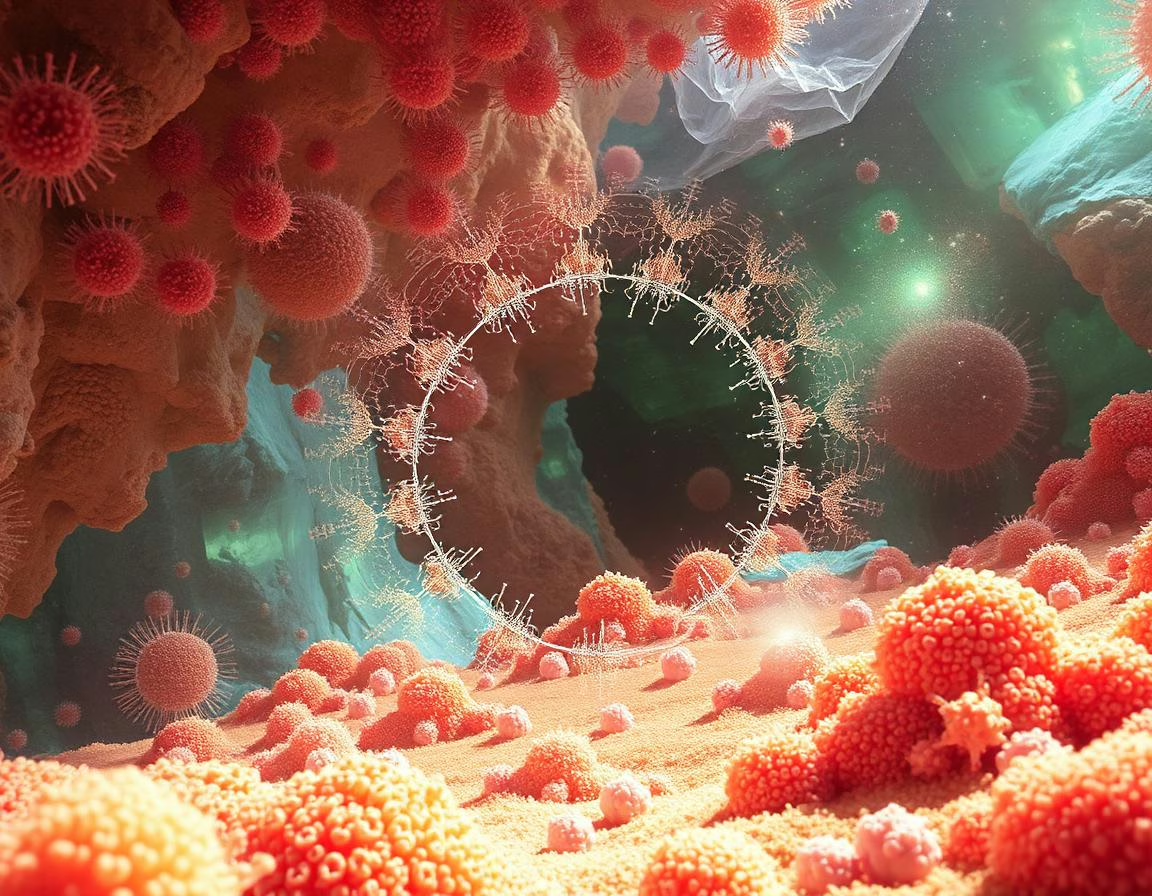
Understanding Dysbiosis
Dysbiosis refers to the imbalance in the microbial communities that can lead to health complications. When the composition of microbiota shifts unfavorably, it can contribute to various diseases. This highlights the importance of maintaining a healthy microbiome, which can be achieved through dietary choices, lifestyle modifications, and potentially, targeted therapies. The recognition of dysbiosis as a contributor to disease emphasizes the need for further research into the mechanisms underlying these changes and their implications for treatment.
Individual Variability in Microbiome Composition
One of the primary challenges in leveraging the microbiome for precision medicine is the significant variability observed among individuals. This variability arises from a combination of genetic and environmental influences, resulting in differences in microbial taxa and their functional capabilities. Some individuals may possess unique strains of bacteria that express certain functions, while others may lack these. Understanding this diversity is crucial for developing both broad-spectrum and personalized diagnostic and therapeutic approaches.
Implications for Diagnostics and Therapeutics
The variability within the microbiome suggests a spectrum of possibilities for diagnostics and therapeutics. Some microbiome-based interventions may be effective across larger populations, while others will require a more tailored approach to suit individual patients. For instance, emerging research indicates that the composition of a person’s microbiome can affect their response to certain treatments, indicating a need for strategies that promote a treatment-friendly microbiome. This is particularly relevant as we move toward more personalized medicine, where treatments are aligned with individual microbiomic profiles.
Advancements in Microbiome Research
Recent studies are shedding light on the intricate relationship between the microbiome and treatment efficacy. Researchers are beginning to uncover how specific microbial compositions can influence patient responses, thereby paving the way for personalized medicine approaches. This Collection aims to compile research articles that delve into these connections, exploring how variations in the microbiome affect treatment outcomes and the underlying mechanisms involved.
Integrating Omics for Personalized Treatment
Innovative strategies are being developed to enhance our understanding of the microbiome’s role in precision medicine. The integration of various omics datasets—such as genomics, proteomics, and metabolomics—can provide a comprehensive view of how the microbiome interacts with host biology. By utilizing these multi-dimensional data, researchers can identify personalized biomarkers and develop targeted treatments that align with an individual’s microbiome profile.
Conclusion
The microbiome is a key player in the landscape of precision medicine, offering insights that could revolutionize diagnostics and treatments. As research continues to uncover the complexities of microbiome interactions, the potential for personalized therapies grows. By embracing the variability of microbiomes, the medical community can better tailor interventions, leading to improved health outcomes for patients.
- Key Takeaways:
- The microbiome significantly influences health and disease.
- Dysbiosis is linked to various health conditions, emphasizing the need for balance.
- Individual variability in microbiome composition presents challenges and opportunities for precision medicine.
- Research is exploring the relationship between microbiome profiles and treatment responses.
- Integrating omics data can enhance personalized treatment strategies.
Read more → www.nature.com



