
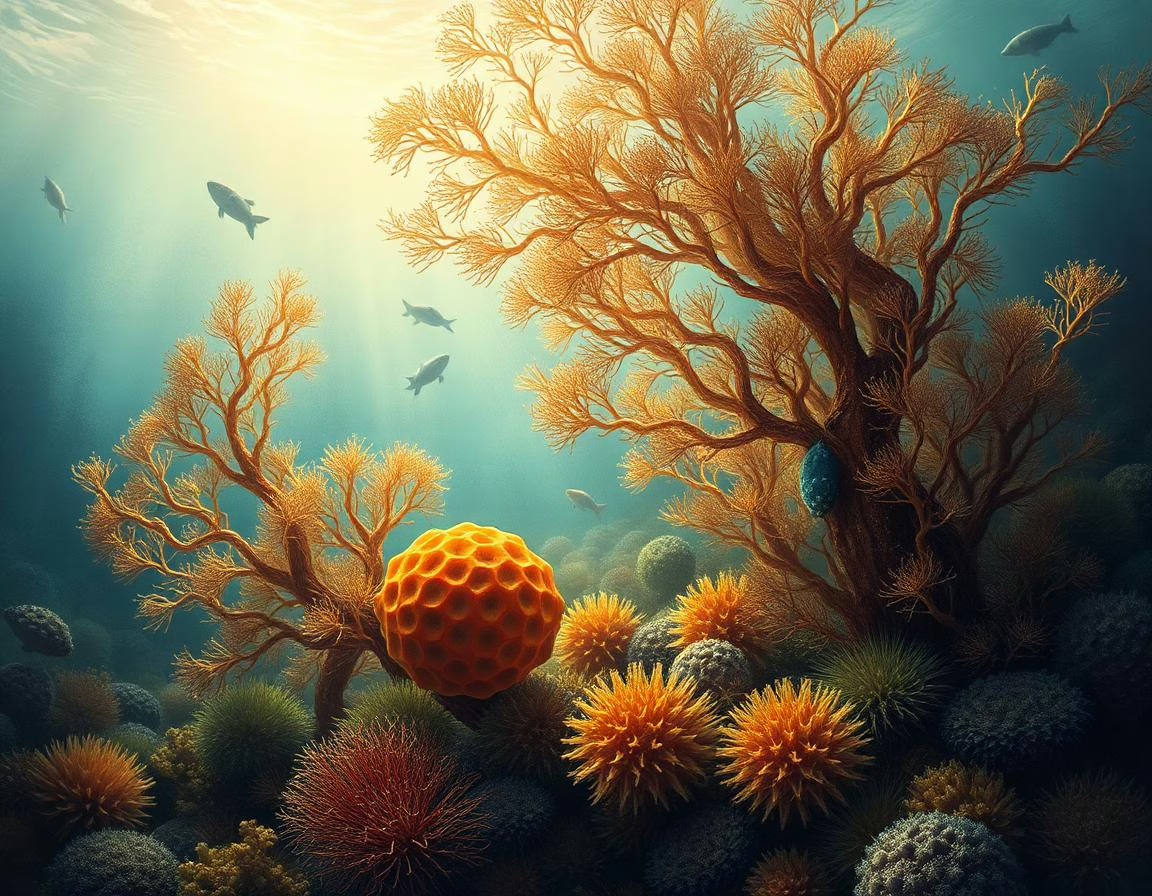
Marine ecosystems, covering over 70% of our planet, are teeming with diverse species that produce unique secondary metabolites with immense therapeutic potential. Among these, marine-derived compounds have emerged as promising candidates for anticancer therapies. Notable examples include trabectedin from the tunicate Ecteinascidia, salinosporamide A from marine Streptomyces, and bryostatin-1 from the bryozoan Bugula neritina. These compounds demonstrate distinct mechanisms of action, such as DNA binding and proteasome inhibition, making them valuable in the fight against cancer.
The Role of Omics Technologies
Modern omics approaches—including genomics, transcriptomics, proteomics, and metabolomics—are revolutionizing our understanding of marine natural products. By uncovering biosynthetic gene clusters in uncultured marine microbes, researchers are elucidating the pathways that lead to these bioactive compounds. This integration of omics technologies provides a comprehensive framework for identifying and characterizing the mechanisms underpinning the efficacy of marine-derived drugs.
Advancements in Biotechnology
Complementing omics technologies, significant advancements in biotechnology are enhancing the production of marine natural products. Tools like synthetic biology, CRISPR gene editing, and metabolic engineering facilitate the sustainable creation of complex molecules. These techniques optimize microbial fermentation processes to yield substantial quantities of therapeutic agents. Furthermore, innovations in nanotechnology and drug delivery systems, such as nanoparticles and antibody-drug conjugates, improve the stability and targeting of these marine-derived therapies.
Case Studies of Promising Compounds
The therapeutic potential of marine-derived agents is exemplified by several case studies. Trabectedin, known for its unique mechanism of action, has been approved for treating advanced soft-tissue sarcoma. Salinosporamide A, or marizomib, acts as a potent proteasome inhibitor and has shown promise in various preclinical settings. Additionally, bryostatin-1, a modulator of protein kinase C, is undergoing clinical trials for its efficacy against multiple cancer types. Each case underscores the unique attributes and challenges of translating marine natural products into viable therapies.
Challenges in Clinical Translation
Despite the progress made, the clinical translation of marine compounds faces several hurdles. Key challenges include the structural complexity of these molecules, which complicates synthesis, and the need for scalable production to meet clinical demands. Additionally, regulatory obstacles and the intricacies of clinical trials further complicate the pathway from discovery to application. Addressing these challenges is crucial for unlocking the full potential of marine-derived anticancer agents.
Future Perspectives and Integrative Approaches
Looking ahead, the integration of marine pharmacology with healthomics presents an exciting frontier. By leveraging patient multi-omics data and systems biology, researchers can identify biomarkers for personalized treatment strategies. This approach not only enhances the precision of marine-derived therapies but also paves the way for innovative drug discovery methodologies, marrying traditional marine bioprospecting with cutting-edge computational techniques.
Takeaways
- Marine ecosystems are rich sources of unique bioactive compounds with significant anticancer potential.
- Omics technologies are crucial for discovering and characterizing the mechanisms of marine natural products.
- Biotechnology advancements enable sustainable production and efficient delivery of marine-derived drugs.
- Clinical translation of these compounds faces challenges, including structural complexity and regulatory hurdles.
- Future research should focus on integrating marine pharmacology with healthomics for personalized cancer therapies.
In summary, the ocean holds vast untapped resources that could lead to groundbreaking advancements in cancer therapy. By combining modern technologies with traditional bioprospecting, researchers are poised to unlock innovative solutions to combat this global health challenge. The journey from sea to bedside is fraught with challenges, but the potential rewards are immense.
Read more → link.springer.com



