
Obesity is a complex health issue that affects a significant portion of the US population, with various contributing factors beyond genetics, physical activity, and diet. Recent research from UCLA Health sheds light on how stress, social challenges, and environmental factors play a crucial role in reshaping the gut microbiome and brain circuitry, ultimately influencing weight gain and retention difficulties.
Dr. Arpana Church, co-director of the Goodman-Luskin Microbiome Center at UCLA Health, emphasizes the profound impact of social determinants of health on obesity risk. Factors such as access to nutritious food, safe environments for physical activity, quality healthcare, and education all contribute to shaping an individual’s biological responses and propensity for obesity.
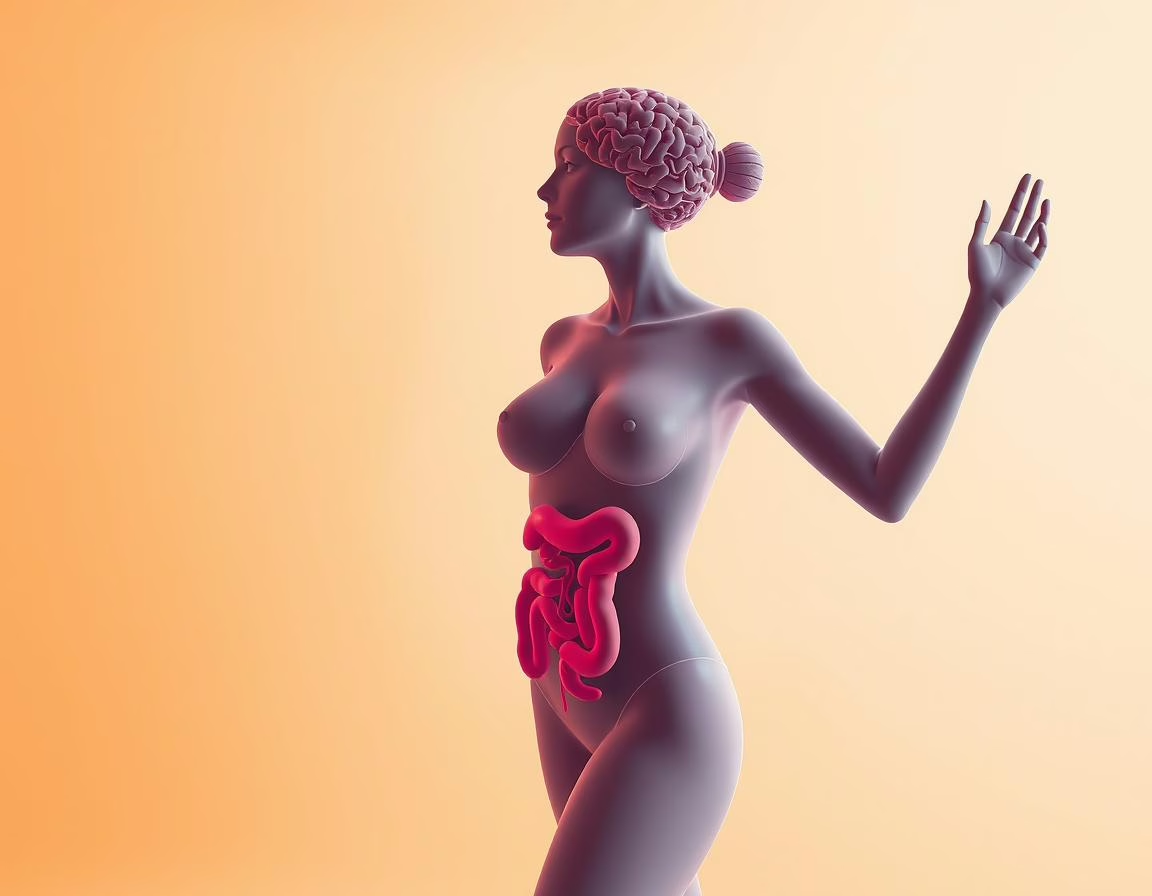
The brain-gut-microbiome axis serves as a critical communication network that connects our social environment to physiological responses. Through signaling molecules, environmental stresses can alter appetite regulation, metabolism, cravings, and physical activity patterns, paving the way for weight gain and obesity development.
Socioeconomic challenges often lead individuals to rely on inexpensive, calorie-dense processed foods, which can affect brain circuits involved in reward processing and emotional regulation. Additionally, poor dietary choices and chronic stress can disrupt gut bacteria balance, promoting inflammation and emotional eating behaviors, further complicating weight management efforts.
Chronic stress stemming from various sources, such as racism, violence, or isolation, can also impact brain pathways and the microbiome, contributing to inflammation and reduced self-control, thereby increasing the risk of obesity. Importantly, these influences can manifest early in life, potentially starting during pregnancy or childhood and persisting into adulthood.
Addressing obesity effectively requires a comprehensive approach that considers both individual choices and broader social and environmental factors. While systemic policy reforms are crucial for long-term impact, individuals can also make a difference by opting for nutritious foods, fostering social connections, and engaging in stress-relieving activities.
Neighborhood disadvantages can further exacerbate the risk of obesity by reducing gut microbiome diversity and increasing the presence of harmful bacteria. Healthcare providers play a vital role in screening patients for environmental stressors and developing personalized treatment plans that address both the biological and psychosocial aspects of obesity.
Despite the availability of life-changing medications for obesity management, access barriers, such as high costs and inadequate insurance coverage, prevent many individuals from benefiting from these treatments. The economic burden of obesity on the healthcare system underscores the importance of addressing this issue from both a medical and policy perspective.
In light of the significant global impact of obesity-related noncommunicable diseases, it is evident that tackling obesity requires a multifaceted approach that considers social, environmental, and individual factors. By recognizing the interconnectedness of gut health, behavior, and societal influences, we can work towards a healthier future for all.
Takeaways:
– Social determinants of health play a significant role in shaping obesity risk.
– Chronic stress and poor dietary choices can disrupt gut microbiome balance, contributing to weight gain.
– Healthcare providers can improve outcomes by addressing both biological and psychosocial factors in obesity treatment plans.
– Access barriers to obesity medications highlight the need for healthcare policy reforms to ensure equitable care.
– A comprehensive approach to obesity management should consider individual choices, social factors, and environmental influences.
Tags: microbiome
Read more on newatlas.com



