
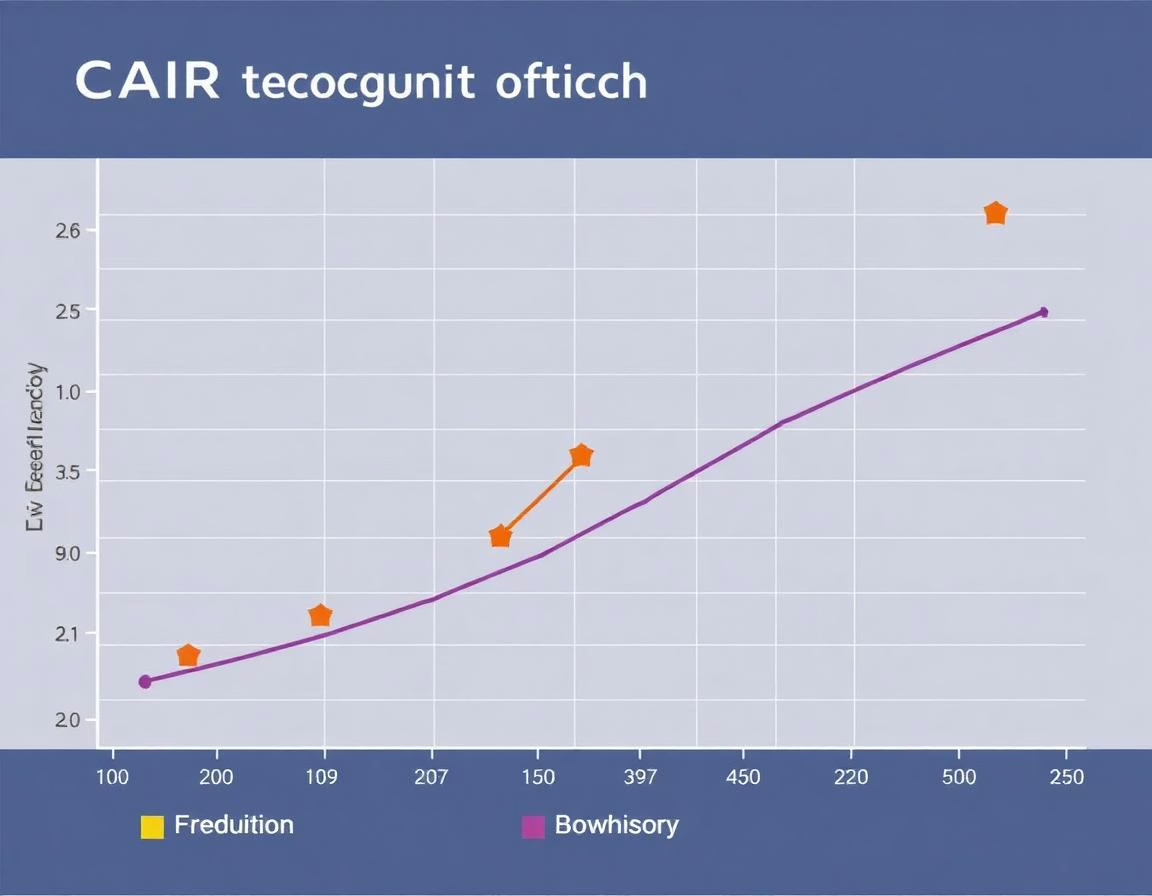
The CAR T-cell therapy market is poised for significant expansion, projected to reach approximately $13.78 billion by 2031, growing from $7.24 billion in 2026. This robust growth reflects a compound annual growth rate (CAGR) of 13.7%. The increasing prevalence of hematologic cancers and solid tumors drives the demand for innovative therapeutic options in oncology, highlighting the importance of CAR T-cell therapies.
Market Dynamics and Trends
The rise in cancer incidence, particularly hematologic malignancies, is a crucial factor fueling the CAR T-cell therapy market. Continuous advancements in technology, including enhancements in CAR design, vector delivery systems, and manufacturing processes, contribute to improved efficacy and safety profiles of these therapies. As a result, the adoption of CAR T-cell therapies is expected to broaden across various cancer types, further propelling market growth.
Product Segmentation Insights
The CAR T-cell therapy market is categorized into several products, including Abecma, Breyanzi, Carvykti, Yescarta, Tecartus, and Kymriah. Among these, Yescarta has emerged as a market leader due to its pioneering role and strong clinical results, particularly in treating relapsed or refractory large B-cell lymphoma. Gilead Sciences capitalized on this opportunity, establishing a robust presence in the market.
Target Antigen Focus
The market is also segmented based on target antigens, with CD19 and BCMA being the primary focus. The CD19 segment commanded the largest share in 2025, bolstered by Bristol Myers Squibb’s expansion of Breyanzi’s FDA approval to cover chronic lymphocytic leukemia. This strategic move reflects the increasing recognition of CAR T-cell therapies in treating various hematologic cancers, demonstrating their potential to address previously unmet medical needs.
Indications Driving Growth
Different indications, including Multiple Myeloma, B-Cell Lymphoma, and Acute Lymphoblastic Leukemia, also shape the market landscape. B-cell lymphoma, being the most prevalent form of malignant lymphoma, has resulted in a high demand for CAR T-cell therapies. Products like Yescarta and Breyanzi showcase significant clinical efficacy, including long-lasting remissions, thereby capturing substantial market shares.
Demographic Insights
Demographics play a critical role in the CAR T-cell therapy market, with adult patients representing the largest segment. The higher prevalence of diseases such as large B-cell lymphoma and multiple myeloma in adults compared to pediatric cases underscores the focus on adult-targeted therapies. The aging global population is anticipated to further increase the incidence of these cancers, enhancing market opportunities.
End-User Landscape
The end-user segment highlights the dominance of hospitals in the CAR T-cell therapy market. Collaborative efforts between pharmaceutical companies and hospitals facilitate the efficient delivery of CAR T-cell therapies, ensuring timely treatment for patients. This collaboration is essential for navigating the complexities of therapy administration and patient management.
Regional Market Analysis
Geographically, North America leads the CAR T-cell therapy market, fueled by extensive research, a high concentration of approved therapies, and a robust infrastructure for reimbursement and treatment. The region’s commitment to developing CAR T-cell therapies positions it for sustained growth, supported by a strong pipeline of innovative products.
Future Outlook and Strategic Developments
Investment in targeted immuno-oncology and precision medicine continues to shape the CAR T-cell therapy market. Biopharma companies are focusing on immune and tumor profiling to optimize target selection and patient stratification. As clinical pipelines expand, the demand for standardized manufacturing processes and quality assurance will become increasingly important to ensure consistent clinical outcomes.
In conclusion, the CAR T-cell therapy market is on an upward trajectory, driven by technological advancements, a growing patient population, and increased understanding of cancer treatments. The landscape is dynamic, with ongoing research and development paving the way for new therapies and expanded applications. As the industry evolves, stakeholders must remain agile to capitalize on emerging opportunities and address the challenges that lie ahead.
- Key Takeaways:
- The CAR T-cell therapy market is expected to reach $13.78 billion by 2031.
- CD19-targeted therapies dominate the market, with strong clinical evidence supporting their efficacy.
- Hospitals play a crucial role in the delivery of CAR T-cell therapies, highlighting the importance of collaboration in this field.
- North America leads the market, supported by advanced infrastructure and ongoing research initiatives.
- The market is characterized by rapid innovation and a strong focus on patient-centered approaches.
Read more → www.finanznachrichten.de



