
With the onset of the lunar new year, a rich tapestry of traditions and superstitions comes alive, inviting individuals to engage with their cultural heritage. For those raised in a Chinese family, like myself in Singapore, the lunar new year heralds a time for reflection, celebration, and adherence to age-old customs that have been passed down through generations.
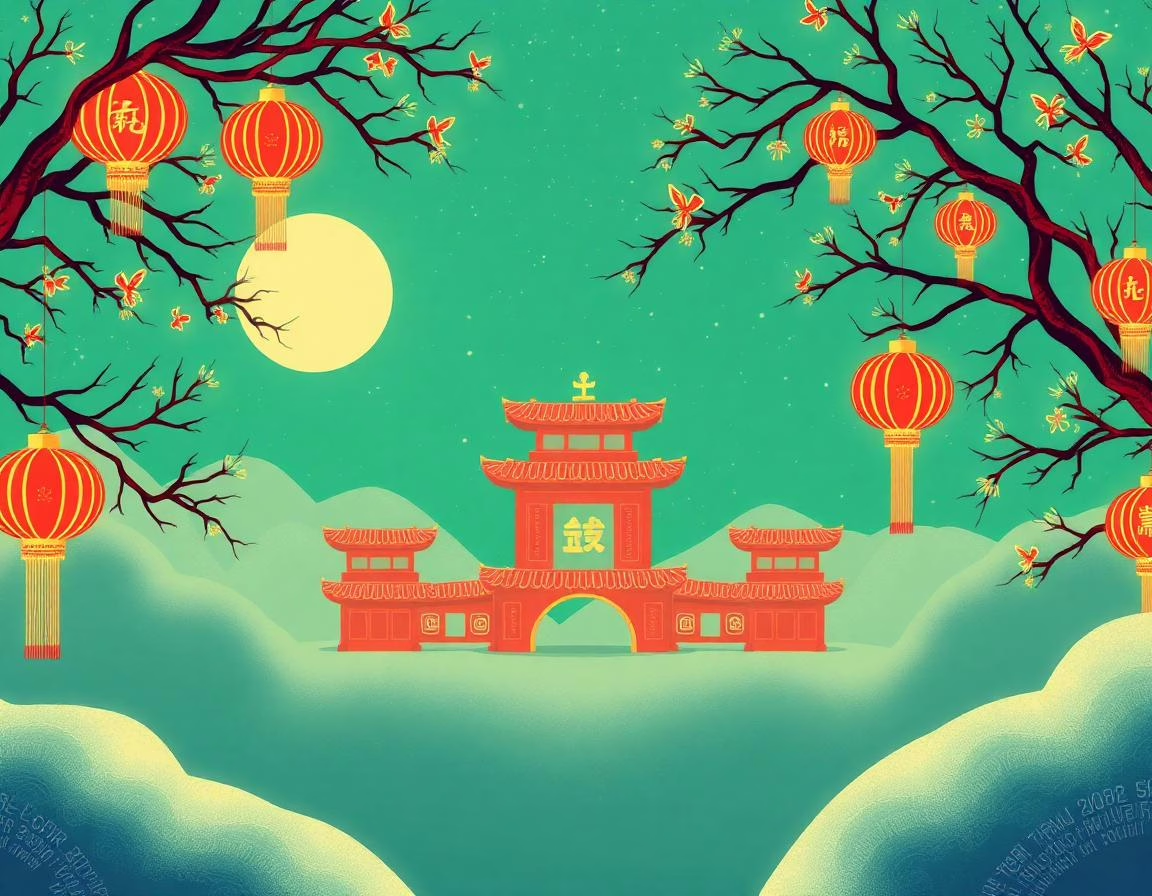
The Essence of Lunar New Year
The lunar new year represents a fresh start, emphasizing the importance of sweeping away the old to embrace new beginnings filled with health and prosperity. Recognized as the spring festival, it aligns with the lunisolar calendar, commencing with the new moon and concluding with the full moon. The initial days of the new year are particularly significant, as they set the tone for the months ahead. Adhering to a specific list of dos and don’ts becomes essential during this period.
Superstitions Surrounding Cleaning
One prevailing belief during the new year is that one should not sweep or dust within the first 15 days. This practice stems from the notion that cleaning during this time could metaphorically sweep away good fortune. While I may relax this rule in the days following the new year, I remain committed to avoiding haircuts throughout the entire period. In Chinese culture, the word for hair sounds similar to the word for prosperity, hence cutting it can symbolize a severing of wealth and fortune. This sentiment extends to washing hair on the first day, as it is seen as washing away the potential blessings of the upcoming year.
Symbolism in Attire and Behavior
Tradition dictates the wearing of red to attract good luck and ward off malevolent spirits, while black and white, associated with mourning, are to be avoided. Other prohibitions include taking out the trash or lending money, both of which are believed to disrupt the flow of good fortune. The atmosphere during the first day should be joyful; any crying or arguments could foreshadow conflict for the rest of the year.
Preparing for New Beginnings
The lead-up to the lunar new year is characterized by extensive preparations—meal planning, cleaning, and organizing. This year, marked as the Year of the Fire Horse, promises intense energy and transformation. While some may find this overwhelming, others see it as an opportunity for bold change.
Cultural Connections and Deeper Beliefs
Growing up, we observed various customs, including eating vegetarian meals during specific lunar phases, a practice rooted in Buddhist traditions. The pantheon of gods in Chinese culture is vast, each representing different aspects of life, from prosperity to protection. The symbolism is rich, allowing individuals to connect with their cultural roots on multiple levels.
The Modern Trend of Chinamaxxing
Recently, the trend of Chinamaxxing has emerged, wherein individuals express a desire to engage deeply with Chinese culture. While some may perceive this as cultural appropriation, it often celebrates the richness of traditions. Influencers and content creators are introducing aspects of Chinese culture to wider audiences, blending humor and education seamlessly. This trend showcases a renewed appreciation for the depth of Chinese heritage, fostering a sense of community.
The Evolution of Personal Identity
My journey into embracing my Chinese identity has evolved over time, particularly as I navigate the changes of middle age. Traditional remedies, such as using dong quai for menopausal symptoms, have become integral to my wellness routine. I find myself accumulating an array of medicinal oils, each serving a purpose in my quest for balance and health.
The Culinary Heart of Chinese Culture
Food remains a cornerstone of Chinese culture, embodying both nourishment and tradition. The energetic properties of food influence daily choices, with a focus on maintaining a balance of yin and yang. Each meal is an opportunity to connect with cultural practices, from the types of rice consumed to the careful selection of ingredients.
A Call for Cultural Appreciation
Living in London for over 25 years has not always made it easy to express my Chinese identity openly. Fortunately, the curiosity of younger generations aids in fostering a renewed interest in Chinese culture. It is my hope that Chinamaxxing extends beyond a fleeting trend, encouraging a deeper exploration of the nuances within our diverse cultural landscape.
Honoring Diverse Heritage
While my experiences are shaped by my Straits-Chinese heritage, it is crucial to recognize the diversity within Chinese culture. Each dialect group carries its own customs and traditions, reflecting the rich history of migration and adaptation. My ancestors’ journey from different regions of China to Southeast Asia exemplifies how cultural identities can flourish in new environments without losing their essence.
Conclusion
The lunar new year offers a profound opportunity to celebrate and honor Chinese culture while embracing the complexities of identity. As traditions evolve and new trends emerge, the essence of cultural connection remains vital. Engaging with our heritage not only enriches our lives but also fosters understanding and appreciation among diverse communities. Let’s welcome the new year with open hearts and an eagerness to explore the depths of our shared histories.
- Embrace the significance of lunar new year traditions and superstitions.
- Recognize the importance of cultural heritage in shaping identity.
- Celebrate the diversity within Chinese culture and its adaptability.
- Appreciate the role of food as a cultural connector.
- Explore modern trends like Chinamaxxing for a renewed cultural engagement.
Read more → www.aol.com



