
A Land of Contrasts
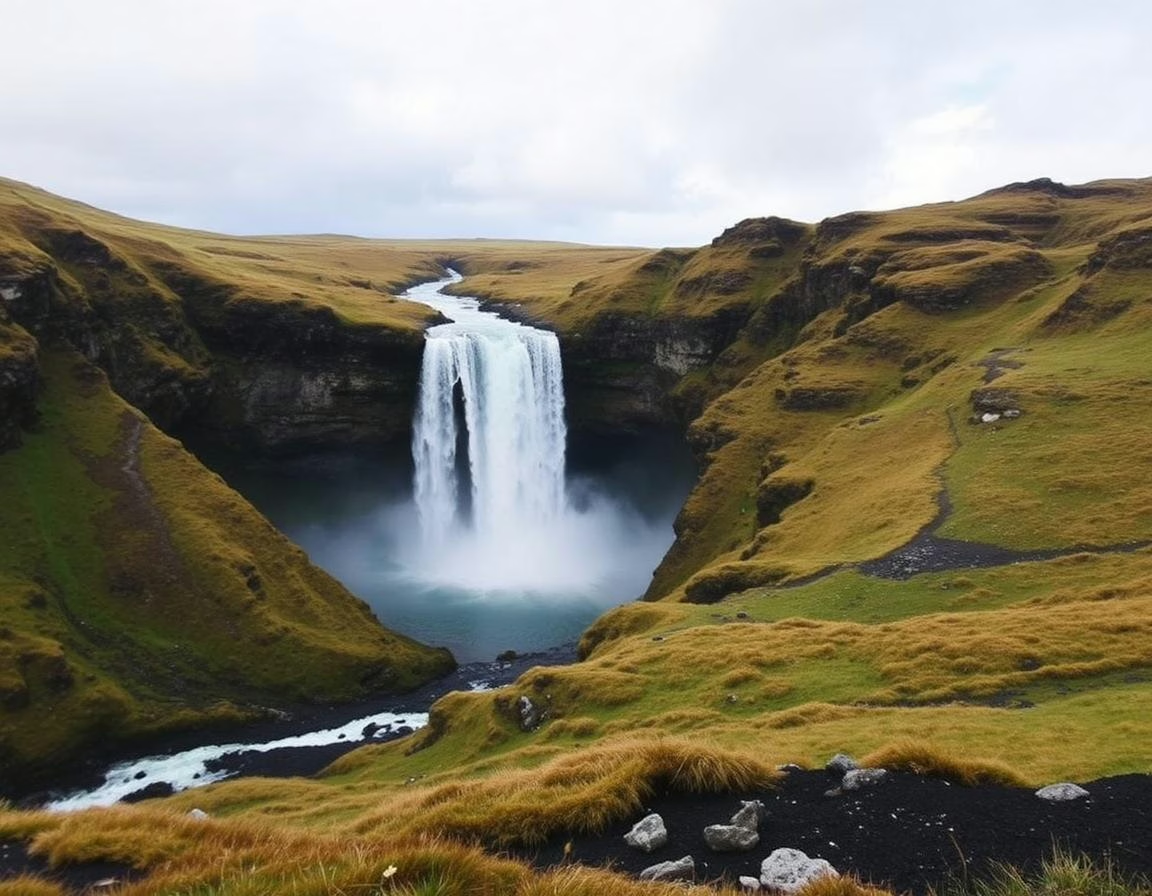
Iceland, the land of fire and ice, captivates travelers with its stunning landscapes and unique climate. Nestled between the Arctic and North Atlantic Oceans, this Nordic island offers a blend of breathtaking natural beauty and a diverse ecosystem. From volcanic eruptions to glacial formations, Iceland has become a favored destination for adventurers and nature enthusiasts alike.
Understanding Iceland’s Climate
The climate in Iceland is often described as subpolar oceanic, with its weather significantly influenced by the North Atlantic Current. This current brings warmer air from the Caribbean, creating a milder environment than one might expect from a country named after ice. However, the weather can be unpredictable, shifting from sunny skies to sudden storms in a matter of minutes.
During winter, Reykjavik experiences average temperatures ranging from 23°F to 36°F (-5°C to 2°C). In contrast, summers are mild, with averages between 54°F to 60°F (12°C to 15°C). However, fluctuations can occur, with temperatures occasionally dropping to 44°F (7°C) or soaring to 77°F (25°C) on particularly warm days.
Regional Climate Variations
Iceland’s geography creates distinct climatic zones across its regions. North Iceland, for instance, enjoys warmer summers but shorter daylight hours. Winter temperatures can be harsher, averaging around 32°F (0°C) but capable of dipping to 5°F (-15°C). The Highlands, known for their rugged terrain, can experience chilly summer days even in June and July.
Conversely, the Westfjords present a cooler climate with shorter summers. Average highs in July hover around 50°F (10°C). Despite being the warmest month, weather conditions can still be unpredictable, with rain and winds often making an appearance. Winters here can be particularly severe, with some towns effectively cut off due to heavy snow.
Best Times to Visit
When planning a trip to Iceland, timing is crucial to maximize your experience. The summer months of June through August offer longer daylight hours, ideal for exploration and photography. This season is perfect for hiking, wildlife spotting, and enjoying the natural hot springs.
In contrast, winter provides a magical backdrop for those looking to witness the Northern Lights. The months of September to March offer the best chances for this breathtaking natural phenomenon, with clear skies and longer nights contributing to the spectacle.
Tailored Travel Experiences
For those eager to explore Iceland, personalized travel options are available to suit every preference. Whether you prefer self-drive adventures or guided tours, the choices are plentiful. A self-drive tour allows you to explore at your own pace, stopping at scenic spots, hiking trails, and hidden gems that may not be accessible through traditional tours.
Expert local guides can enhance your experience, providing insights into Iceland’s rich history, culture, and ecology. With 24/7 customer support and flexible tour packages, travelers can rest assured they are well taken care of during their journey.
Activities for Every Adventurer
Iceland is not just about its stunning landscapes; it also offers a myriad of activities for every type of traveler. From wildlife cruises to hiking excursions, there is something for everyone. Kayaking in dramatic fjords, exploring secluded seaside towns, and hiking to world-class waterfalls are just a few of the unforgettable experiences awaiting visitors.
In the summer, wildlife enthusiasts can embark on cruises to spot humpback whales and nesting puffins. The long, bright days of summer provide ample opportunity for exploration and adventure.
Practical Travel Tips
When visiting Iceland, it’s essential to pack appropriately for the variable weather conditions. Layers are key, allowing for comfort in both warm and chilly conditions. Waterproof clothing and sturdy footwear will prove invaluable, especially during hikes or visits to natural sites.
Additionally, staying informed about local weather forecasts can help in planning daily activities. Given the rapid changes in weather, flexibility in your itinerary can lead to unexpected adventures.
Takeaway Insights
- Iceland’s climate is influenced by the North Atlantic Current, resulting in milder winters and cooler summers than its name suggests.
- The best time to experience the Northern Lights is between September and March, while summer months are ideal for hiking and wildlife watching.
-
Tailored travel options such as self-drive tours provide an opportunity for a personalized exploration of Iceland’s natural wonders.
-
Weather conditions can change rapidly, so packing layers and staying informed is crucial for a successful trip.
Conclusion
Iceland is truly a land of mesmerizing contrasts, where dramatic landscapes meet a dynamic climate. Whether you’re drawn to its breathtaking scenery, rich wildlife, or unique weather patterns, this island nation promises an unforgettable experience. Embrace the adventure and let Iceland unveil its wonders, one breathtaking moment at a time.
Read more → search.yahoo.com



