
Introduction
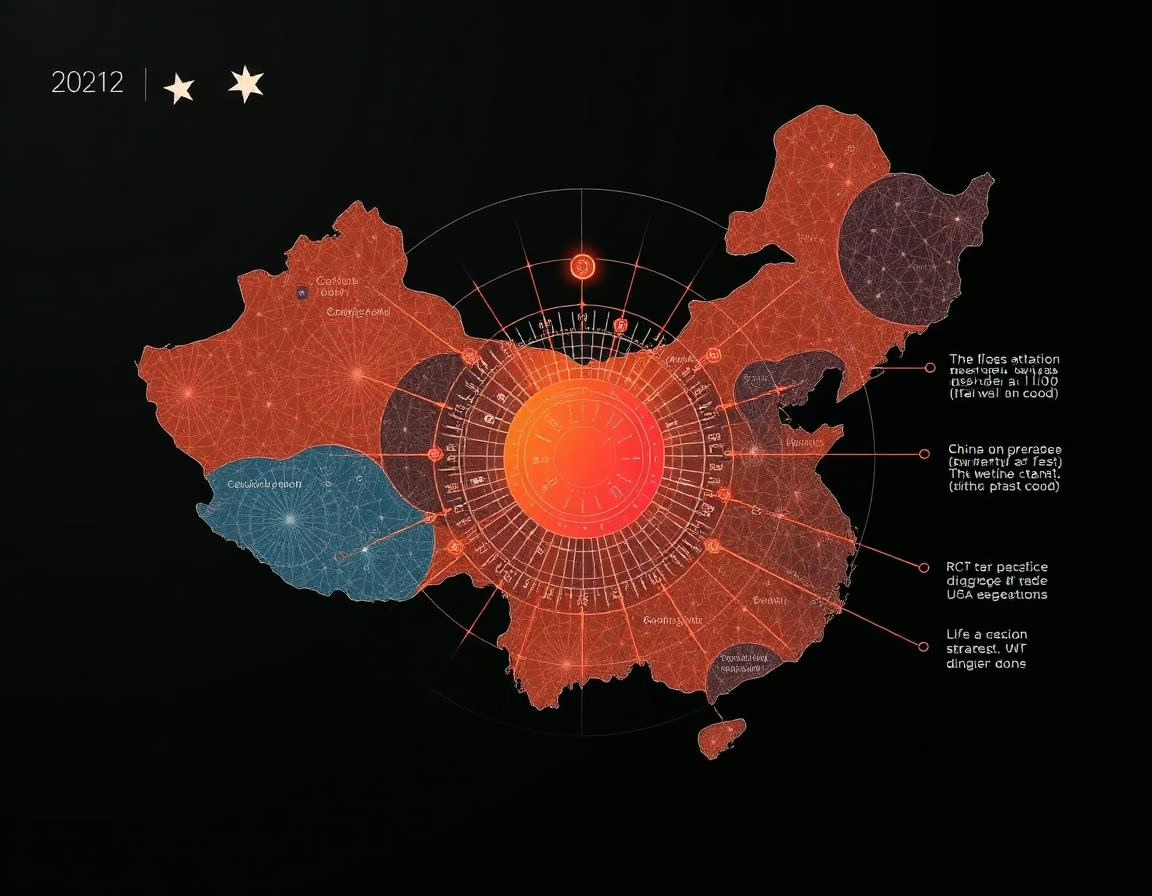
China has recently emphasized the necessity for collaborative efforts to effectively manage the surplus generated by solar energy production. As the country advances its renewable energy initiatives, addressing excess output has become a focal point for sustainability and efficiency in the energy sector.
The Solar Energy Landscape
The rapid growth of solar energy in China has positioned the nation as a pivotal player in the global renewable energy market. With extensive investments and technological advancements, solar capacity has skyrocketed, contributing significantly to the country’s energy mix. However, this surge in production also presents challenges, particularly regarding the management of excess electricity generated during peak sunlight hours.
The Challenge of Surplus Energy
Surplus solar energy can lead to grid instability and waste if not properly managed. During periods of high generation, particularly on sunny days, the electricity produced may exceed demand, resulting in potential energy wastage. This situation calls for innovative solutions and strategic planning to ensure that surplus energy is utilized effectively rather than discarded.
Proposed Solutions for Management
To tackle the issue of excess solar production, China recommends several strategies. One approach involves enhancing energy storage systems, allowing surplus electricity to be stored for later use. This could involve the development of advanced battery technologies and other storage solutions to maintain a balance between supply and demand.
Additionally, improving grid infrastructure is crucial. A more robust and flexible grid can better accommodate fluctuations in energy production and consumption. This may include integrating smart grid technologies that allow for real-time monitoring and management of energy flows.
Promoting Demand Response Programs
Another solution is the promotion of demand response programs, which incentivize consumers to adjust their energy usage based on availability. By encouraging energy consumption during peak production times, these programs can help mitigate the surplus issue while also benefiting consumers through lower electricity costs.
Collaboration Across Sectors
China’s call for concerted efforts highlights the importance of collaboration among various stakeholders, including government bodies, energy producers, and technology developers. By working together, these entities can share insights and resources, fostering innovation in energy management practices.
International Implications
The challenges faced by China in managing surplus solar production are not unique. Many countries with significant renewable energy investments are grappling with similar issues. As such, China’s initiatives could serve as a model for other nations seeking to optimize their renewable energy strategies.
Conclusion
As the global push for renewable energy continues to gain momentum, addressing the challenges of surplus production will be vital for sustainable development. China’s advocacy for unified action and innovative solutions highlights the necessity for collaboration in overcoming these obstacles. By implementing effective strategies, nations can not only enhance their energy efficiency but also contribute to a more sustainable future.
Key Takeaways
- China emphasizes a collaborative approach to manage surplus solar energy.
- Energy storage and improved grid infrastructure are crucial for addressing excess production.
- Demand response programs can help align consumption with production peaks.
- Global collaboration is essential for optimizing renewable energy strategies.
- Learning from China’s initiatives can benefit other nations facing similar challenges.
Read more → tildes.net



