
Cameroon’s cocoa industry, renowned as the world’s fourth-largest producer, finds itself at a critical juncture as it grapples with a multifaceted crisis blending disease, insecurity, and corporate disengagement. Despite contributing significantly to the economy and supporting a vast number of livelihoods, the sector is currently under immense pressure. With projections indicating a potential 10% decline in production for the current season, exacerbated by challenges in the South-West region, which traditionally supplies a substantial portion of the national crop.
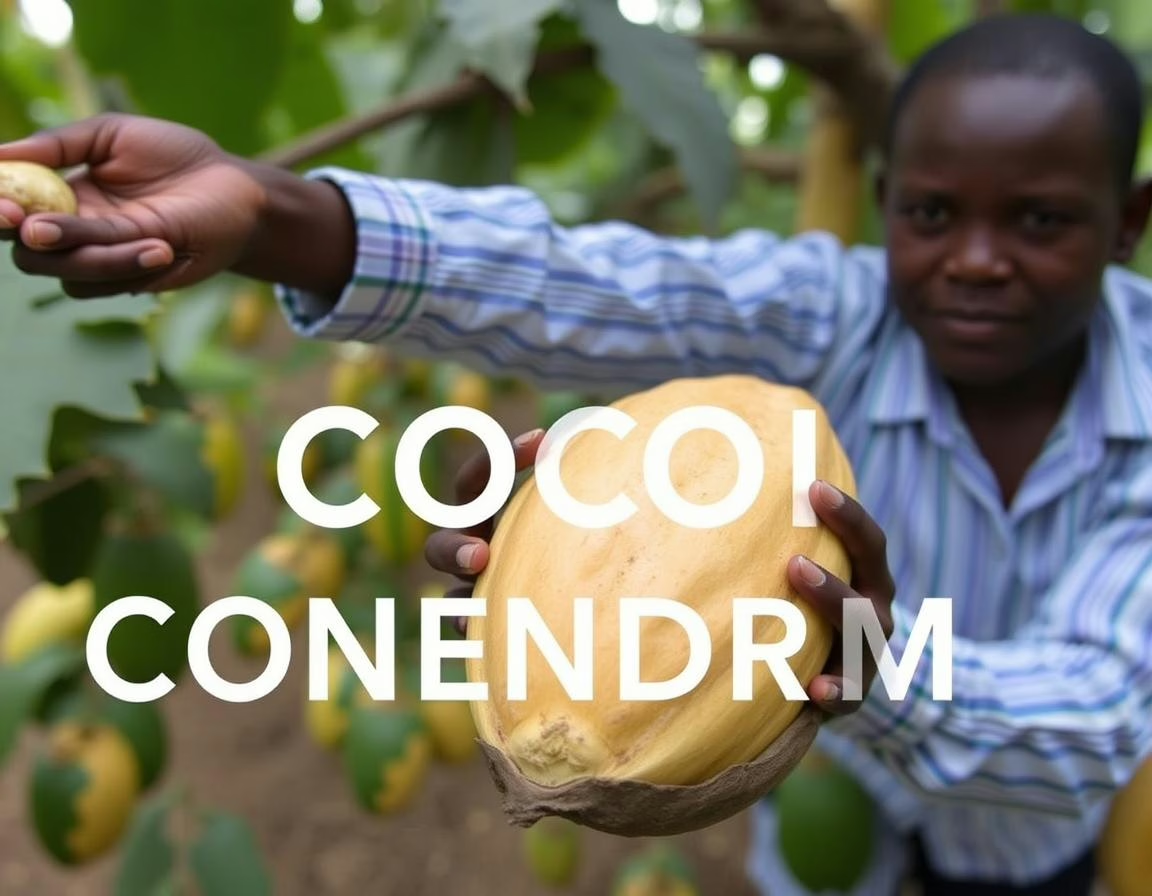
The Biological Battle: Black Pod Disease and Fungicide Fiascos
The sector’s struggles commence with a biological adversary in the form of black pod disease, spurred by excessive rainfall in 2025. This has led to a surge in infections, particularly in key districts like Muyuka and Kumba, with infection rates soaring to alarming levels. Adding insult to injury, the utilization of counterfeit fungicides smuggled from neighboring Nigeria has hindered farmers’ attempts to curb the spread, resulting in significant pod losses ranging from 30% to a staggering 90% in some instances.
Insecurity Amplifying Woes: The Shadow of Conflict
Compounding the industry’s woes is the prevailing insecurity stemming from the Anglophone conflict, manifesting in enforced “ghost town” lockdowns in regions such as the South-West and North-West. These disruptions bring all economic activities to a standstill on designated days, posing risks to farmers venturing out to tend to their plantations. The persisting ghost town phenomena, coupled with sporadic clashes and extortion along rural routes, have historically slashed cocoa sales by up to 40% in the South-West, further exacerbating the crisis.
Corporate Exodus and its Implications
The corporate landscape adds another layer of complexity, with Telcar Cocoa Ltd.’s decision to halt processing operations in response to a purported “bean quality crisis.” Telcar’s withdrawal, following its earlier split from Cargill, not only signals a decline in crop quality and logistical disruptions but also diminishes domestic processing capacity. This move places additional strain on farmers and small grinders by reducing market options and exacerbating income losses, thus deepening the industry’s predicament.
Market Ripple Effects and Global Implications
The ramifications of Cameroon’s cocoa woes reverberate across global markets, with ICE futures reflecting the turbulence by trading at USD 7,364 per ton on September 17. While the country’s projected shortfall may not single-handedly reshape global dynamics dominated by Côte d’Ivoire and Ghana, it certainly amplifies uncertainties amidst regional climatic shifts and political instabilities. The escalating price volatility witnessed in Q3, coupled with Telcar’s exit, is poised to elevate risk premiums in forward contracts, underscoring the industry’s fragility.
Navigating the Path Forward: Urgent Interventions Required
Addressing the crisis demands prompt and strategic interventions. Government-led inspection initiatives remain hampered by insecurity, underscoring the need for bolstered security measures to facilitate access to plantations and ensure the integrity of fungicide supply chains. Moreover, enhancing fungicide certification processes and fortifying distribution channels to curb the influx of counterfeit products is imperative. Collaborative efforts to establish robust insurance and risk-sharing mechanisms for stakeholders are vital to mitigate losses and stabilize the industry.
The Imperative of Resilience and Innovation
Cameroon’s cocoa economy stands at a crossroads, necessitating resilience and innovation to weather the storm. Securing reliable corridors for farmers, ensuring consistent fungicide access, and fostering cooperative mechanisms for small grinders are pivotal. Investors are urged to adopt a nuanced approach, recognizing both the immediate opportunities and long-term risks inherent in West African cocoa markets. Integrated solutions addressing disease control and insecurity are paramount to safeguarding Cameroon’s competitive edge in premium cocoa production.
In conclusion, Cameroon’s cocoa challenges underscore the intricate interplay of biological, social, and economic factors shaping the industry’s trajectory. The confluence of disease outbreaks, security threats, and corporate transitions underscores the urgent need for coordinated and decisive actions to steer the sector towards sustainable recovery. As stakeholders navigate these turbulent waters, fostering resilience, innovation, and strategic partnerships will be pivotal in safeguarding Cameroon’s cocoa legacy and revitalizing its position in the global market.
Key Takeaways:
- Cameroon’s cocoa industry faces a 10% production decline due to black pod disease and insecurity, exacerbated by corporate exits.
- Inadequate fungicide management and security challenges pose significant threats to crop quality and farmer livelihoods.
- Global cocoa markets feel the impact of Cameroon’s turmoil, reflecting in heightened price volatility and market uncertainties.
- Urgent interventions are needed to bolster security, enhance fungicide distribution channels, and implement risk-sharing mechanisms for industry stakeholders.
- Resilience, innovation, and collaborative strategies are essential to navigating the current crisis and securing Cameroon’s cocoa sector’s long-term sustainability.
Read more on ecofinagency.com



