
Eli Lilly has made significant strides in the treatment of psoriasis and obesity through its late-stage clinical study. The combination of Zepbound, a weight-loss drug, and Taltz, a psoriasis treatment, has demonstrated remarkable effectiveness compared to Taltz alone. This innovative approach could reshape the management of these interconnected health challenges.
Study Overview
In a controlled study involving 274 participants, researchers assessed the effects of combining Zepbound with Taltz. The results were compelling. Approximately 27.1% of patients receiving both medications achieved complete skin clearance along with a minimum of 10% weight loss after 36 weeks. In stark contrast, only 5.8% of those treated with Taltz alone experienced similar outcomes.
Psoriasis and Its Challenges
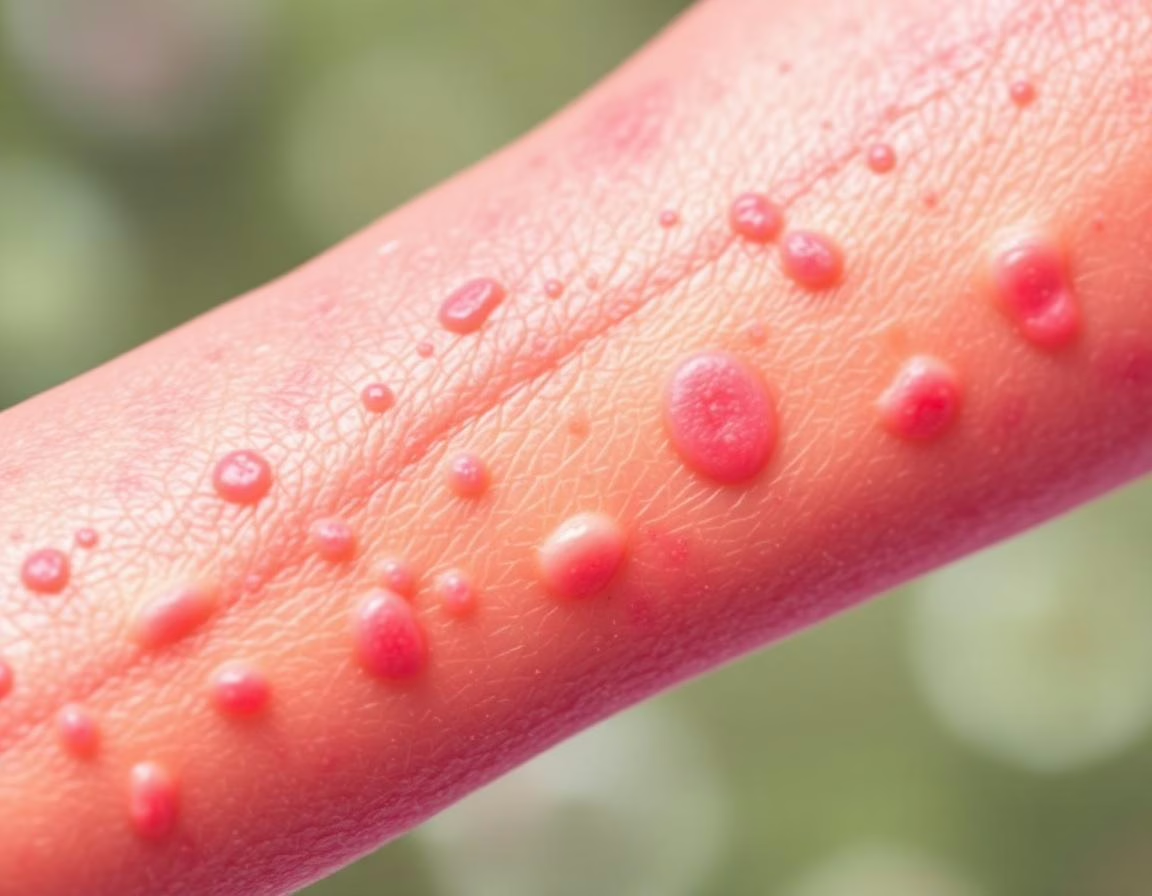
Psoriasis is a chronic skin condition characterized by itchy, scaly patches that can significantly impact the quality of life. The disease often affects sensitive areas like the face, scalp, and genitals, making treatment particularly challenging. Data suggests that about 61% of individuals with psoriasis in the U.S. also contend with obesity or are overweight, often accompanied by weight-related health issues. This dual burden complicates the management of both conditions and highlights the need for integrated treatment options.
Efficacy in Psoriatic Arthritis
In addition to psoriasis, the study also examined the impact of the Zepbound and Taltz combination on psoriatic arthritis. In a separate analysis, 31.7% of patients receiving both treatments met the primary goal of achieving at least a 50% reduction in psoriatic arthritis disease activity, coupled with a 10% weight loss after the same 36-week period. This is a significant advancement compared to only 0.8% of those on Taltz alone, showcasing the potential benefits of this combined therapy.
Safety Profile
The safety of the combined treatment was also a focal point of the study. Eli Lilly reported that adverse effects were generally mild to moderate, providing reassurance as they prepare to share detailed findings in a peer-reviewed journal and engage with regulatory bodies for further evaluation.
Implications for Treatment
The results of this study could pave the way for new treatment protocols that address both psoriasis and obesity simultaneously. Given the prevalence of these conditions in the population, particularly among those with overlapping health issues, the combination therapy could offer a more holistic approach to patient care.
Future Directions
As Eli Lilly moves forward, the anticipation surrounding the full results and the potential regulatory approval of this combination therapy is palpable. The implications extend beyond individual patient outcomes; they could influence broader healthcare strategies in managing chronic conditions that often coexist.
- Key Takeaways:
- Zepbound combined with Taltz yielded better results for psoriasis and weight loss.
- 27.1% of patients achieved full skin clearance and significant weight loss.
- The combination therapy also showed promise in treating psoriatic arthritis.
- Adverse events were generally mild, ensuring a favorable safety profile.
In conclusion, the promising results of Lilly’s combination therapy mark a pivotal moment in the treatment landscape for psoriasis and obesity. As researchers analyze the data further and engage with health regulators, the hope is that these innovations will lead to improved quality of life for many patients struggling with these intertwined conditions.
Read more → www.aol.com



