
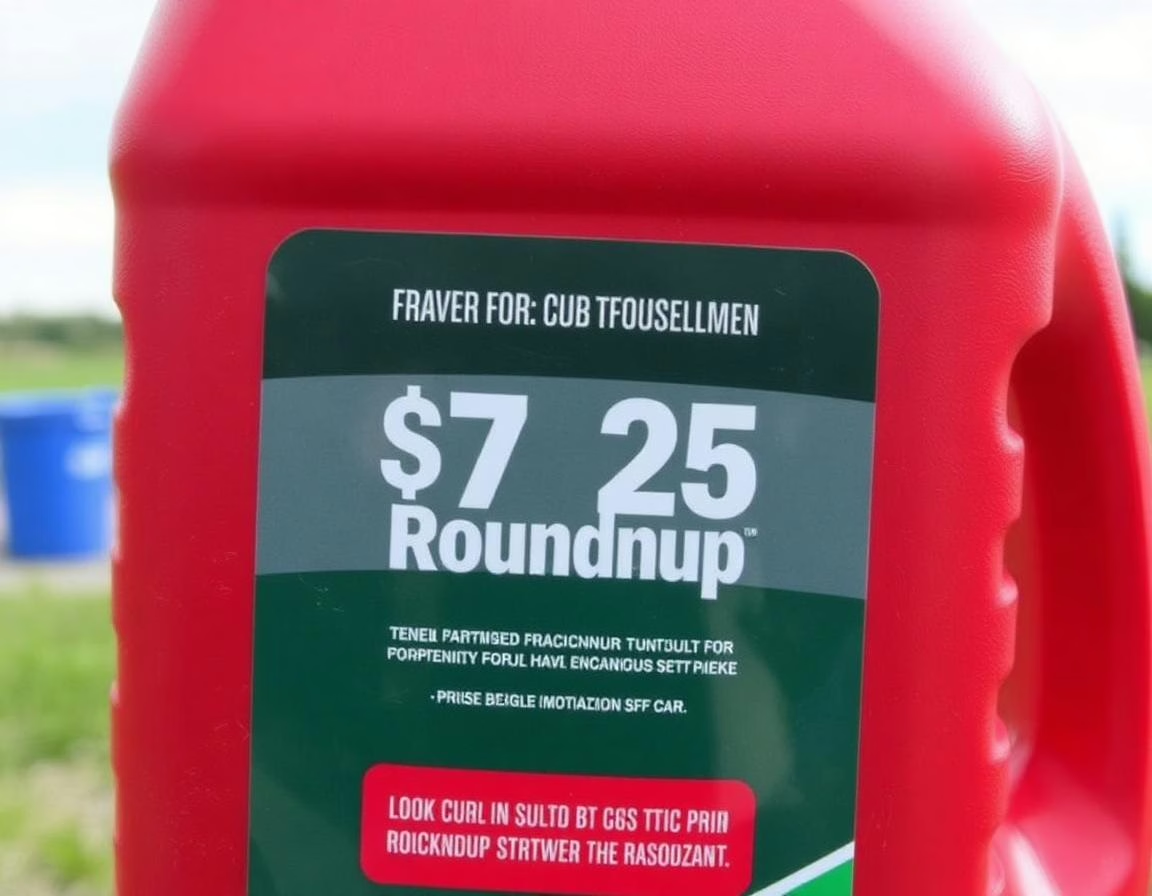
Bayer’s Monsanto division has unveiled a proposed settlement amounting to $7.25 billion in a bid to resolve ongoing and future lawsuits related to its Roundup weedkiller, which is alleged to have caused cancer. This initiative aims to bring closure to years of litigation and provide a framework for compensating affected individuals.
Settlement Overview
This settlement, pending court approval, would enable payments over a span of up to 21 years, specifically for individuals who claim that exposure to Roundup has led to non-Hodgkin lymphoma, a serious cancer affecting the lymphatic system. The proposed agreement outlines varying compensation amounts based on individual circumstances, including age, level of exposure, and cancer severity.
For instance, individuals under 60 with aggressive forms of non-Hodgkin lymphoma resulting from occupational exposure may receive an average payout of $165,000. Conversely, older patients diagnosed with qualifying conditions may receive significantly less, such as $10,000 for those aged over 78. This plan is designed to address the bulk of the existing 65,000 claims Bayer faces across state and federal jurisdictions, while also accommodating future cases arising from Roundup exposure.
Conditions for Approval
While Bayer presents this settlement as a resolution, its success hinges on several factors. The company retains the right to withdraw the offer if insufficient plaintiffs agree to participate. Yet, the specifics regarding the minimum number of participants required for the deal to remain valid have not been disclosed. Although Bayer claims support from multiple law firms representing Roundup litigants, the lack of transparency raises concerns regarding the settlement’s viability.
Many law firms are still scrutinizing the settlement terms, and at least one has voiced opposition. The strategy of establishing a new class action while existing litigation continues may face resistance from claimants and legal representatives who feel their interests are not adequately represented.
Implications of the 21-Year Claims Program
The extensive duration of the claims program aims to encompass future cancer claims, offering compensation to individuals who used Roundup before February 17, 2026, and later develop non-Hodgkin lymphoma. Given that glyphosate, the active ingredient in Roundup, was only removed from residential products in 2023, the potential for new claims remains significant. The latency period for non-Hodgkin lymphoma can exceed a decade, meaning that individuals may still emerge with claims for years to come.
Annual notifications and advertising will be necessary to reach future claimants, who will have a two-year window post-diagnosis to decide on participation. Bayer is banking on the notion that future claimants may prefer to accept settlement terms instead of facing the uncertainties of litigation. However, the ability for claimants to opt out means that Bayer could still encounter jury trials, which have proven challenging, evidenced by substantial verdicts against them in earlier cases.
The Role of the U.S. Supreme Court
Bayer is also navigating a crucial legal challenge before the U.S. Supreme Court, with oral arguments scheduled for April 27. This case could determine whether Bayer can be held liable under state law for not warning consumers about the potential cancer risks associated with Roundup, despite federal regulations not necessitating such warnings.
A ruling in Bayer’s favor could eliminate thousands of claims tied to the failure-to-warn argument, potentially saving the company billions in damages. However, even if successful in this respect, plaintiffs might still pursue other liability avenues, making the proposed settlement an essential safety net for Bayer.
Potential for Closure
Despite the ambitious nature of the settlement, it does not guarantee an end to litigation. The deal could falter if it lacks adequate support or if the court ultimately rejects it. Furthermore, claimants retain the option to opt out and pursue their cases independently. Should the settlement receive approval and the Supreme Court rules in favor of Bayer, plaintiffs may feel an increased impetus to resolve their claims, particularly if the legal landscape becomes more challenging.
Summary of Key Points
- Bayer’s proposed $7.25 billion settlement aims to resolve lawsuits related to Roundup and non-Hodgkin lymphoma claims.
- Individual compensation amounts will vary based on personal circumstances, with payments scheduled over 21 years.
- The settlement’s success depends on sufficient participation from claimants and court approval.
- Bayer is also awaiting a critical Supreme Court decision that may affect future litigation.
- The deal may not guarantee closure, as claimants can opt out and pursue litigation independently.
In conclusion, Bayer’s proposed settlement represents a significant step toward resolving lingering legal issues surrounding Roundup. However, its future remains uncertain, contingent on the support of claimants and the outcome of ongoing legal challenges. As the situation unfolds, both Bayer and affected individuals will be watching closely, hoping for a resolution that brings clarity and closure.
Read more → www.aol.com



