
Researchers at the University of Waterloo in Ontario are pioneering an innovative strategy to combat cancer by harnessing the power of engineered bacteria. This approach envisions using bacteria to consume tumors from the inside out, transforming the landscape of cancer treatment.
The Bacterium Behind the Breakthrough
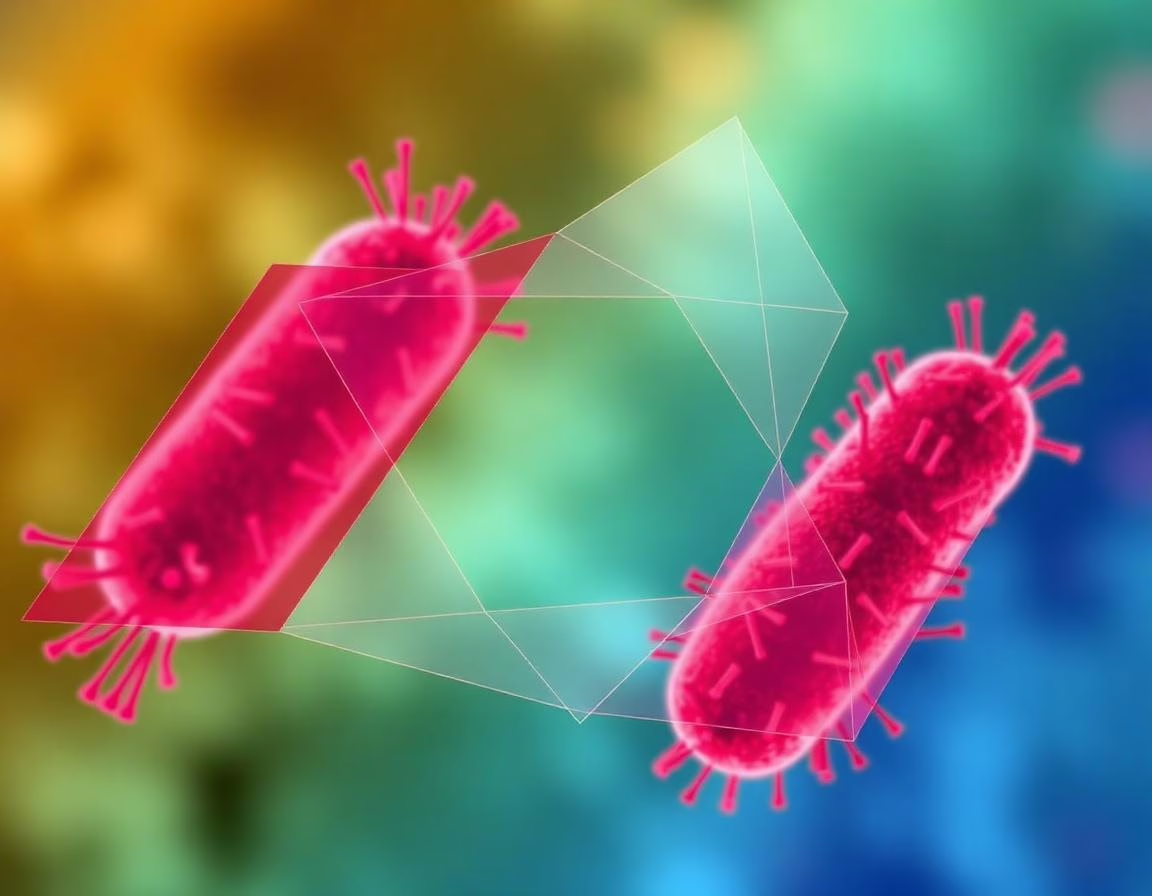
At the heart of this research is Clostridium sporogenes, a bacterium typically found in soil. This microorganism thrives in oxygen-free environments, making it particularly suited for targeting the core of solid tumors, where conditions are devoid of oxygen and rich in nutrients.
As Dr. Marc Aucoin, a chemical engineering professor at Waterloo, explains, “Bacterial spores enter the tumor, finding an environment where there are lots of nutrients and no oxygen, which this organism prefers, and so it starts eating those nutrients and growing in size.” This process allows the bacteria to colonize the tumor, effectively working to eliminate it from within.
Overcoming Biological Challenges
However, the journey to a successful tumor eradication is not without its challenges. Clostridium sporogenes encounters low levels of oxygen when it approaches the outer edges of tumors, leading to its untimely death before it can complete its mission. To address this vulnerability, the researchers introduced a gene from a closely related bacterium that possesses a greater tolerance for oxygen.
This genetic modification allows the bacteria to survive longer in less favorable conditions, but timing is crucial. To ensure the oxygen-resistant gene activates at the right moment, the researchers leverage a phenomenon known as quorum sensing.
The Mechanism of Quorum Sensing
Quorum sensing is a communication system that bacteria use, involving the release of chemical signals. When a sufficient number of bacteria congregate, these signals become strong enough to activate the oxygen-resistant gene. This mechanism prevents the bacteria from prematurely adapting to oxygen-rich environments, such as the bloodstream, which could derail their mission.
In previous experiments, the researchers successfully demonstrated that Clostridium sporogenes could be modified for better oxygen tolerance. In subsequent studies, they tested their quorum sensing system by making the bacteria produce a green fluorescent protein, which served as a beacon for monitoring bacterial activity.
Future Directions and Clinical Trials
Looking ahead, the research team plans to combine the oxygen-resistant gene with the quorum-sensing mechanism into a single strain of bacteria. The next step involves testing this engineered bacterium on tumors in pre-clinical trials, a significant milestone in the quest for effective cancer treatments.
While substantial research remains before this approach can be made available to patients, the potential of using bacteria to combat cancer is part of a broader trend toward alternative cancer therapies. Innovations range from electrical knives to CRISPR gene editing and stem cell infusions, all contributing to a rich landscape of treatment options.
A Growing Hope in Cancer Survival
Recent reports highlight remarkable advancements in cancer survival rates, with seven out of ten patients now living five years or more past their diagnosis. The ongoing exploration of unconventional methods, such as the use of engineered bacteria for tumor treatment, underscores the dynamic nature of cancer research.
Takeaways
- Engineers have developed a way to use bacteria to consume tumors from within.
- Clostridium sporogenes thrives in oxygen-free environments, ideal for targeting tumor cores.
- The researchers have modified bacteria to survive in low-oxygen conditions through genetic engineering.
- Quorum sensing allows for timely activation of the oxygen-resistant gene, ensuring bacteria can thrive at the tumor’s edges.
- Upcoming pre-clinical trials will test the efficacy of this engineered bacterium on tumors.
The intersection of biology and engineering continues to yield promising avenues in the fight against cancer. As researchers navigate the complexities of tumor biology, the potential to deploy bacteria as allies in this battle grows ever closer to reality.
Read more → www.goodnewsnetwork.org



