
Introduction:
In the realm of radiopharmaceutical development, the intersection of preclinical precision and evolving FDA oversight marks a pivotal moment. With advancements in technology and increased regulatory scrutiny, the landscape of radiopharmaceutical research is undergoing a transformative shift. This paradigm shift requires a comprehensive understanding of multi-omics integration, data pipelines, and topological principles to ensure reproducibility and quality control. By delving into the intricacies of this field, we can uncover the key factors driving progress and innovation.
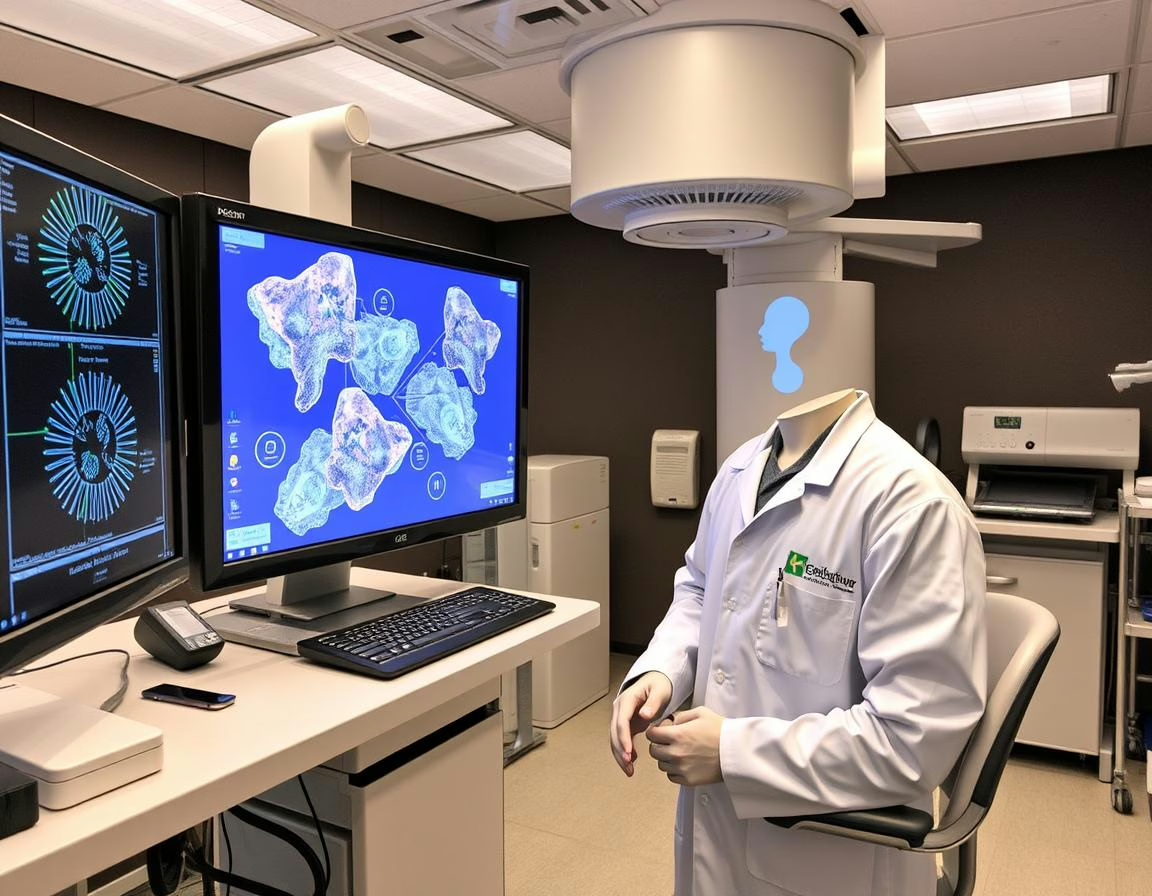
Unveiling the Complexity of Multi-Omics Integration:
At the core of advancing radiopharmaceutical development lies the integration of multi-omics data. This intricate process involves the analysis of diverse biological datasets, including genomics, transcriptomics, proteomics, and metabolomics. By harnessing the power of multi-omics integration, researchers can unravel complex biological mechanisms, identify biomarkers, and elucidate novel therapeutic targets. Tools such as alignment algorithms, variant calling software, and data visualization platforms play a crucial role in processing and interpreting multi-omics data, paving the way for groundbreaking discoveries.
Navigating Data Pipelines for Enhanced Efficiency:
Efficient data pipelines are essential for streamlining the analysis of large-scale multi-omics datasets in radiopharmaceutical research. By constructing optimized pipelines that encompass data preprocessing, quality control, and downstream analysis, researchers can expedite the pace of discovery and ensure the reproducibility of results. Leveraging cutting-edge bioinformatics tools and computational resources enables the seamless integration of diverse omics data types, facilitating a holistic understanding of biological systems at the molecular level.
Embracing Topological Principles for Network Analysis:
Topological principles play a pivotal role in network analysis, offering insights into the intricate relationships among biological entities in radiopharmaceutical research. Network-based approaches enable the visualization of complex interactions within biological systems, shedding light on disease mechanisms, drug responses, and molecular pathways. By applying topological concepts such as centrality measures, clustering algorithms, and network visualization techniques, researchers can uncover hidden patterns and correlations in multi-omics data, driving innovation in radiopharmaceutical development.
The Impact of Regulatory Oversight on Radiopharmaceutical Innovation:
As the field of radiopharmaceutical development continues to evolve, regulatory oversight by the FDA plays a critical role in ensuring the safety, efficacy, and quality of radiopharmaceutical products. The FDA’s rigorous review process for investigational new drug applications (INDs) and new drug applications (NDAs) sets high standards for preclinical and clinical data, necessitating robust evidence of product efficacy and safety. Compliance with FDA regulations is paramount in advancing radiopharmaceutical innovation and bringing novel therapies to market.
Advancements in Radiopharmaceutical Imaging Technologies:
The integration of advanced imaging technologies such as positron emission tomography (PET), single-photon emission computed tomography (SPECT), and magnetic resonance imaging (MRI) has revolutionized radiopharmaceutical research and clinical practice. These imaging modalities offer unparalleled insights into disease pathology, treatment responses, and therapeutic outcomes, guiding personalized medicine approaches in oncology, neurology, and cardiology. By harnessing the power of radiopharmaceutical imaging technologies, researchers can visualize biological processes in real time and optimize treatment strategies for improved patient outcomes.
Challenges and Opportunities in Radiopharmaceutical Development:
Despite the remarkable progress in radiopharmaceutical research, challenges persist in translating preclinical findings into clinical applications. Issues such as radioisotope availability, manufacturing complexities, and regulatory hurdles pose significant barriers to the development and commercialization of radiopharmaceutical products. Addressing these challenges requires collaborative efforts among researchers, clinicians, industry partners, and regulatory agencies to foster innovation, streamline drug development processes, and accelerate patient access to cutting-edge therapies.
Conclusion:
In conclusion, the convergence of preclinical precision and FDA oversight heralds a new era of innovation in radiopharmaceutical development. By embracing multi-omics integration, data pipelines, and topological principles, researchers can unlock the full potential of radiopharmaceuticals in diagnosing and treating a myriad of diseases. The synergy between technological advancements and regulatory vigilance paves the way for safer, more effective radiopharmaceutical products that have the potential to transform patient care and improve health outcomes. As we navigate this dynamic landscape, collaboration, transparency, and adherence to best practices will be paramount in driving the future of radiopharmaceutical innovation.
Takeaways:
– Multi-omics integration is essential for unraveling complex biological mechanisms in radiopharmaceutical research.
– Efficient data pipelines streamline the analysis of large-scale omics datasets, enhancing research productivity.
– Topological principles offer valuable insights into biological networks, guiding network analysis in radiopharmaceutical development.
– Regulatory oversight by the FDA ensures the safety, efficacy, and quality of radiopharmaceutical products, driving innovation and compliance in the field.



