
Welcome to the world of waste management, where innovation meets sustainability, and secondary raw materials are not just scraps but valuable commodities. In this dynamic industry, smart operators are constantly pushing the boundaries of what is possible, turning waste into wealth through creative solutions and cutting-edge technology. Join me on a journey through some captivating case studies that showcase the success stories of companies leading the way in this crucial sector.
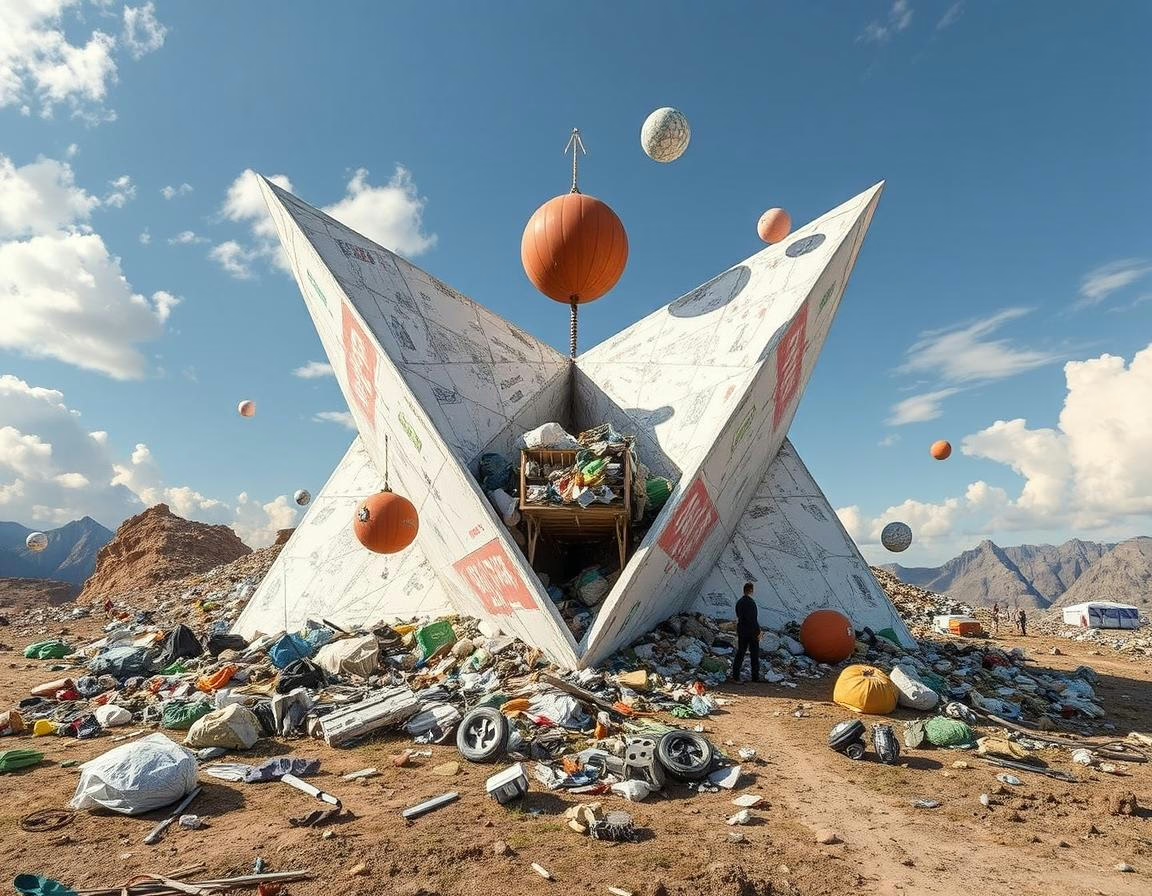
The Rise of Circular Economy: A Paradigm Shift in Waste Management
In recent years, the concept of the circular economy has gained significant traction, emphasizing the importance of minimizing waste and maximizing resource efficiency. This shift has spurred a wave of innovation in waste management, prompting companies to reevaluate their approach to handling secondary raw materials. By viewing waste as a potential asset rather than a liability, businesses can unlock new opportunities for revenue generation and environmental stewardship.
Turning Trash into Treasure: The Power of Resource Recovery
One prime example of effective waste management can be seen in the recycling industry, where materials like plastics, paper, and metals are transformed into high-quality raw materials for manufacturing. Through advanced sorting technologies and robust recycling processes, companies can extract maximum value from discarded materials, reducing the burden on landfills and conserving natural resources. By investing in resource recovery infrastructure, businesses can not only reduce their environmental footprint but also create a sustainable supply chain that benefits both the economy and the planet.
Case Study 1: Closing the Loop with Closed-Loop Recycling
Let’s delve into a case study that exemplifies the concept of closed-loop recycling, a sustainable approach that aims to keep materials in circulation for as long as possible. Company X, a leading manufacturer of plastic packaging, implemented a closed-loop system that allows them to collect used packaging from consumers, recycle it into new products, and reintroduce them into the market. By closing the loop on their production process, Company X not only reduces waste but also establishes a circular supply chain that promotes resource conservation and cost savings.
Innovating for Impact: The Role of Technology in Waste Management
Technology plays a crucial role in driving innovation and efficiency in waste management, enabling companies to optimize their processes, improve resource recovery rates, and reduce environmental impact. From advanced sorting systems and robotic automation to data analytics and machine learning, the possibilities are endless for companies looking to stay ahead in the waste management game. By embracing technological advancements, businesses can streamline their operations, increase profitability, and contribute to a more sustainable future.
Case Study 2: Harnessing the Power of Robotics in Waste Sorting
Company Y, a waste management firm specializing in municipal recycling, leveraged robotic sorting technology to enhance their material recovery process. By deploying robotic arms equipped with AI-powered sensors, Company Y was able to achieve higher accuracy and efficiency in separating recyclable materials from waste streams. This innovative approach not only improved the overall quality of recycled materials but also reduced labor costs and operational errors, showcasing the transformative impact of technology in modern waste management practices.
Sustainability as a Competitive Advantage: The Business Case for Green Practices
In today’s competitive landscape, sustainability has become a key differentiator for businesses seeking to attract environmentally conscious consumers and investors. Companies that prioritize green practices and sustainable initiatives not only enhance their brand reputation but also drive long-term value creation. By aligning environmental stewardship with business objectives, organizations can gain a competitive edge in the market, foster innovation, and build resilience against evolving regulatory and consumer demands.
Case Study 3: Embracing Sustainability in Waste-to-Energy Solutions
Company Z, a renewable energy provider, embraced sustainability by investing in waste-to-energy solutions that convert organic waste into biogas for electricity generation. By partnering with local municipalities and waste management companies, Company Z established a closed-loop system that diverts organic waste from landfills, reduces greenhouse gas emissions, and produces clean energy for residential and commercial use. This innovative approach not only addresses the pressing issue of organic waste management but also creates a sustainable revenue stream for the company.
The Path Forward: Strategies for Success in Waste Management
As we navigate the evolving landscape of waste management, companies must adopt a proactive approach to sustainability, innovation, and collaboration to drive meaningful change and unlock new opportunities for growth. By prioritizing resource efficiency, investing in technology, and embracing circular business models, organizations can position themselves as leaders in the transition towards a more sustainable and circular economy. Together, we can turn the tide on waste and transform secondary raw materials into profit machines that benefit both business and the planet.
In conclusion, the art of waste management lies in the ability to see beyond the traditional notions of waste and reimagine secondary raw materials as valuable resources with untapped potential. Through strategic investments, innovative solutions, and a commitment to sustainability, companies can not only reduce their environmental impact but also create new revenue streams, drive operational efficiencies, and build a more resilient business model for the future. Let’s continue to push the boundaries of what is possible in waste management and work towards a more sustainable and prosperous future for all.
Key Takeaways:
– Embrace the circular economy principles to maximize resource efficiency and minimize waste.
– Invest in technology to optimize waste management processes and drive innovation.
– Prioritize sustainability as a competitive advantage to differentiate your business and attract stakeholders.
– Explore new opportunities in waste-to-energy solutions and closed-loop recycling for long-term value creation.
Read more on source



