
Australia stands as the sole sanctuary for wild koalas, a national treasure battling endangerment, notably due to the chlamydia outbreak ravaging their population. Once abundant in the early 20th century, with an estimated 8 million koalas, recent data points to a grim reality of dwindling numbers, ranging from 224,000 to 524,000 in 2024.
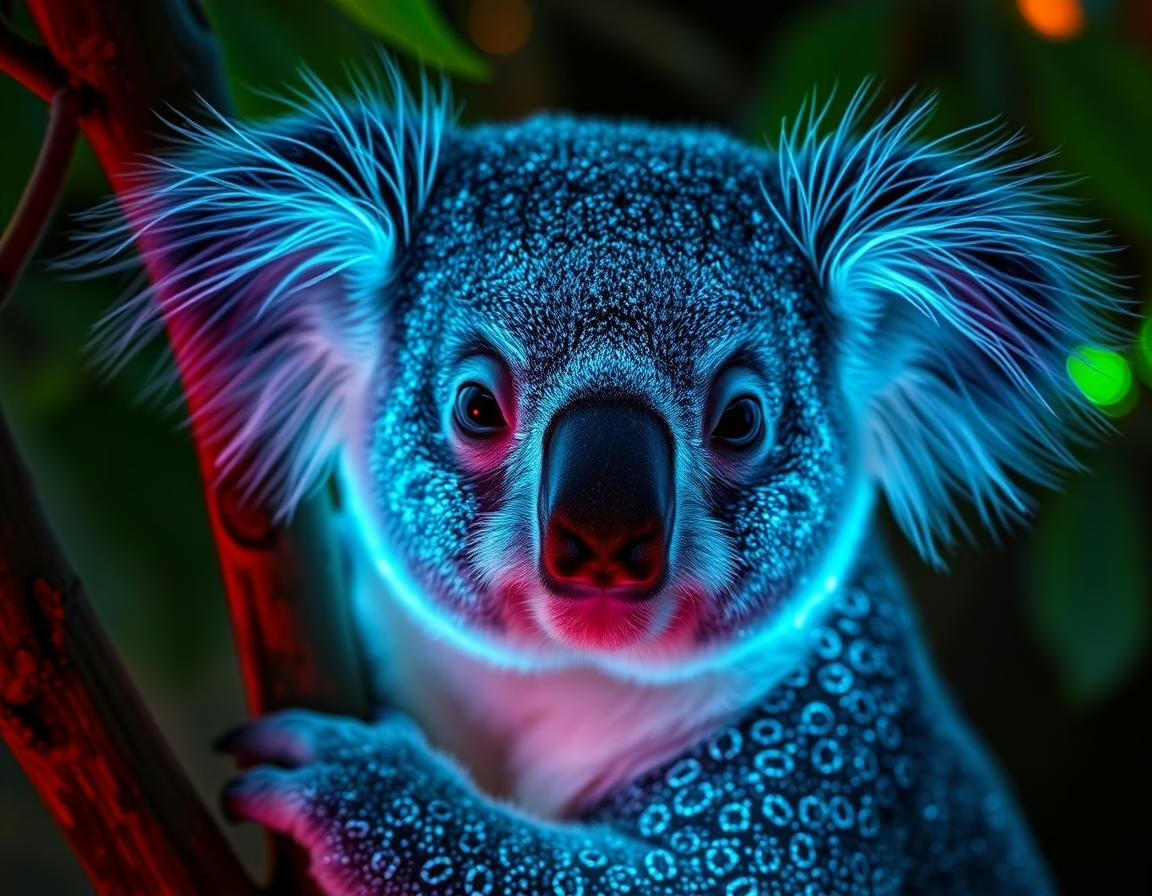
Various factors have contributed to this stark decline. Historically, koalas faced pelting for their fur until a ban was enforced post the infamous “Black August” in 1927, where Queensland sanctioned the killing of over 600,000 koalas. Urbanization, wildfires, and climate change have also encroached on their habitat, exacerbating the crisis. Surprisingly, chlamydia emerged as a significant threat, which is now on the cusp of being addressed through a groundbreaking solution.
Australia has greenlit the first-ever vaccine tailored to combat chlamydia spread among its koala populace. The origins of koala chlamydia remain somewhat elusive, although theories link it back to cattle and sheep transmitting the disease in the 1780s. This infection, causing blindness, infertility, and bladder inflammation in koalas, ranks as the second leading cause of death among them, trailing only accidents such as car collisions.
With some koala populations exhibiting a staggering 70% infection rate, chlamydia can be transmitted through various means, including copulation and maternal transfer through pap consumption or pouch proximity. Recent attention to this issue was spurred by a 2018 segment on Last Week Tonight with John Oliver, shedding light on the Irwin family’s initiative to dedicate the Koala Chlamydia Ward at the Australia Zoo to raise awareness.
After over a decade of intensive research, scientists at the University of the Sunshine Coast in Queensland have developed a specialized vaccine to immunize koalas against chlamydia. Following successful trials demonstrating a 65% reduction in mortality rates due to the disease in wild populations, the vaccine has received regulatory approval, marking a significant leap in koala conservation efforts.
Despite this milestone, the researchers face the arduous task of securing funding for the extensive process of locating and administering the vaccine to the koalas in need. The promising efficacy of the vaccine offers a beacon of hope for the survival and recovery of the koala population, emphasizing the critical role of proactive conservation measures in preserving Australia’s iconic wildlife heritage.
Key Drivers:
- Australia’s approval of the first-ever chlamydia vaccine for koalas signals a pivotal advancement in wildlife conservation.
- The vaccine’s efficacy in reducing mortality rates by 65% underscores its potential impact on curbing the chlamydia epidemic among koalas.
- Ongoing efforts to secure funding for widespread vaccine distribution highlight the crucial need for financial support in executing large-scale conservation initiatives.
- Public awareness and support, exemplified by initiatives like the Koala Chlamydia Ward, play a vital role in rallying resources and attention towards wildlife preservation.
In conclusion, Australia’s groundbreaking vaccine development marks a significant stride in combatting the chlamydia epidemic threatening its beloved koalas. By addressing this pervasive threat and leveraging innovative solutions, the country is poised to lead the way in wildlife conservation, setting a precedent for proactive and effective measures to safeguard endangered species globally.
Read more on brobible.com



