
The West Valley region faces significant challenges when it comes to wildfire resilience. A recent meeting convened stakeholders from various sectors to discuss priorities for the Wildfire Resilience Partnership. The stakeholders identified key areas of focus and strategies to enhance the region’s ability to mitigate the impact of wildfires. This article delves into the discussions and outcomes of the meeting, highlighting the pressing issues and proposed solutions to bolster wildfire resilience in the West Valley.
Understanding the Current Landscape
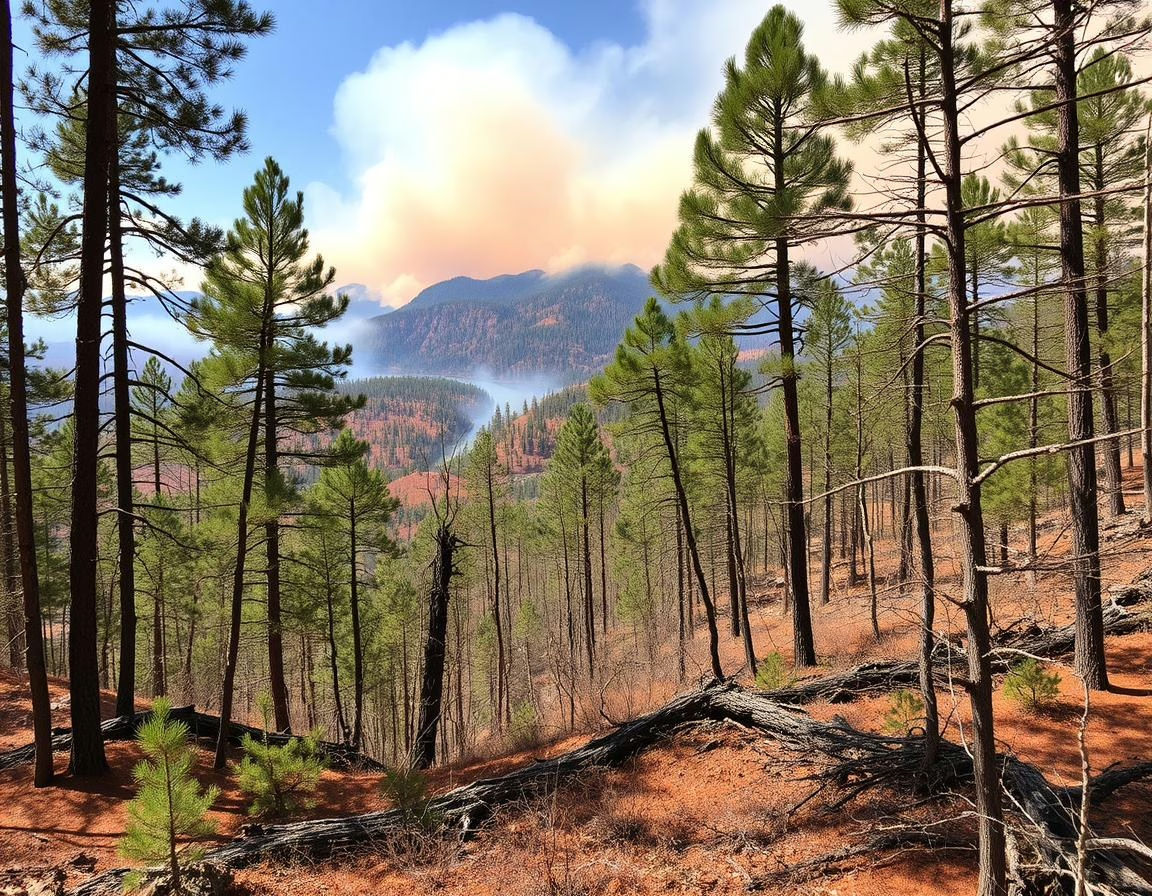
Before delving into the priorities and strategies identified by stakeholders, it is essential to understand the current landscape of wildfire resilience in the West Valley region. The area is characterized by dense forests, dry vegetation, and a history of severe wildfires. Climate change has exacerbated these conditions, leading to an increase in the frequency and intensity of wildfires. As a result, communities in the West Valley are at a higher risk of wildfire disasters, necessitating proactive measures to enhance resilience.
Priorities Identified by Stakeholders
During the meeting, stakeholders engaged in a comprehensive discussion to identify key priorities for the Wildfire Resilience Partnership. One of the primary areas of focus was community engagement and education. Stakeholders emphasized the importance of raising awareness about wildfire risks, emergency preparedness, and evacuation procedures among residents. By empowering communities with the necessary knowledge and resources, stakeholders believe they can enhance the region’s overall resilience to wildfires.
Collaborative Planning and Coordination
Another crucial priority identified by stakeholders was the need for collaborative planning and coordination among various agencies and organizations. Wildfire response and mitigation efforts require a coordinated approach involving local government, fire departments, environmental agencies, and community groups. By fostering collaboration and information sharing, stakeholders aim to streamline wildfire response operations and improve the effectiveness of mitigation strategies.
Investment in Infrastructure and Technology
Stakeholders also highlighted the importance of investing in infrastructure and technology to enhance wildfire resilience in the West Valley region. This includes upgrading firefighting equipment, implementing early warning systems, and deploying advanced monitoring technologies. By modernizing infrastructure and leveraging technology, stakeholders believe they can better detect and respond to wildfires, ultimately reducing their impact on communities and ecosystems.
Sustainable Land Management Practices
The meeting discussions also underscored the significance of sustainable land management practices in mitigating wildfire risks. Stakeholders emphasized the need for forest thinning, controlled burns, and vegetation management to reduce fuel loads and prevent the rapid spread of wildfires. Implementing sustainable land management practices not only enhances wildfire resilience but also promotes ecosystem health and biodiversity in the West Valley region.
Policy and Regulatory Framework
Addressing gaps in the existing policy and regulatory framework emerged as another key priority for stakeholders. The meeting highlighted the need to review and update regulations related to land use, building codes, and fire prevention measures. By strengthening the policy framework, stakeholders aim to create a more robust legal environment that supports proactive wildfire mitigation and resilience-building efforts in the West Valley.
Public-Private Partnerships
Stakeholders recognized the value of public-private partnerships in enhancing wildfire resilience in the region. Collaborating with private sector entities, such as insurance companies, utility providers, and land developers, can help leverage resources and expertise to implement effective wildfire mitigation strategies. By fostering partnerships between public and private stakeholders, the West Valley can enhance its overall resilience to wildfires and build a more sustainable future.
Community-Based Initiatives
In addition to formal partnerships, stakeholders highlighted the importance of community-based initiatives in bolstering wildfire resilience. Engaging local residents, volunteer groups, and non-profit organizations in wildfire preparedness and response efforts can significantly enhance the region’s capacity to withstand wildfires. By fostering a sense of community ownership and responsibility, stakeholders aim to create a more resilient and cohesive society in the face of wildfire threats.
Funding and Resource Allocation
Ensuring adequate funding and resource allocation for wildfire resilience efforts emerged as a critical priority for stakeholders. The meeting discussions emphasized the need for sustained financial support from government agencies, philanthropic organizations, and other funding sources. Securing long-term funding commitments can enable stakeholders to implement proactive mitigation measures, invest in infrastructure upgrades, and support community resilience-building initiatives in the West Valley region.
Conclusion
In conclusion, the discussions among West Valley stakeholders have shed light on the pressing priorities and strategies for enhancing wildfire resilience in the region. By focusing on community engagement, collaborative planning, infrastructure investment, sustainable land management, policy enhancements, public-private partnerships, community-based initiatives, and adequate funding, stakeholders aim to build a more resilient West Valley that can withstand the challenges posed by wildfires. Through collective action and strategic investments, the region can fortify its defenses and better protect its communities and ecosystems from the devastating impact of wildfires.
Key Takeaways
- Community engagement and education are vital for enhancing wildfire resilience.
- Collaborative planning and coordination among stakeholders are essential for effective wildfire response.
- Investing in infrastructure, technology, and sustainable land management practices can mitigate wildfire risks.
- Strengthening the policy and regulatory framework is crucial for proactive wildfire mitigation efforts.
- Public-private partnerships and community-based initiatives play a significant role in building wildfire resilience.
- Ensuring adequate funding and resource allocation is key to sustaining wildfire resilience efforts.



